Solar Energy Solutions Provider

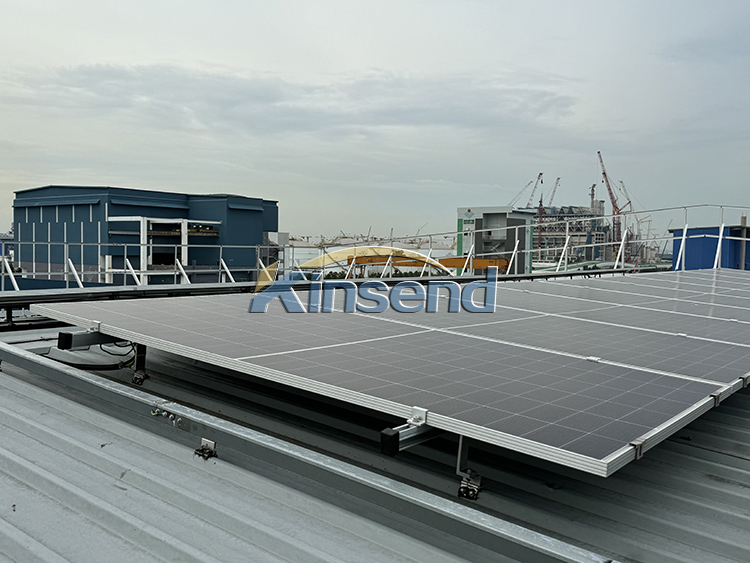
Kinsend continuously provides mounting support for photovoltaic projects in Singapore

Kinsend thanks many Singaporean EPC photovoltaic companies for their support, Kinsend with its high-quality solar mounting structure and professional design solutions, we provide the best security guarantee for all cooperative projects.


Advantages of Singapore's Rooftop Solar PV


Geographical and Climatic Advantages

Abundant Sunlight: As a tropical country near the equator, Singapore enjoys stable sunshine year-round, with an average daily peak sunlight hours of 4-4.5 hours, providing excellent natural conditions for solar power generation.

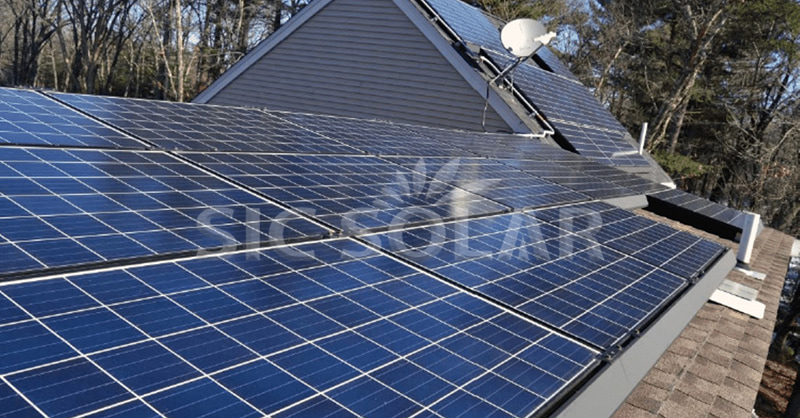
rooftop solar installation company


Core Strategy to Address Land Scarcity

Utilizing Idle Space: With limited land area and no possibility for large-scale ground-mounted solar power plants, leveraging the rooftop space of tens of thousands of public housing (HDB) blocks, industrial buildings, commercial complexes, and private residences is the optimal solution to "turn waste into treasure." This perfectly aligns with Singapore’s "vertical city" development concept.


Economic and Cost Benefits

Reducing Energy Costs: For HDB town councils and businesses, installing solar PV systems significantly lowers electricity costs for public areas (e.g., elevators, lighting, water pumps) or operational expenses. Through the "install-own-operate" model, town councils can enjoy cheaper electricity without upfront investment.
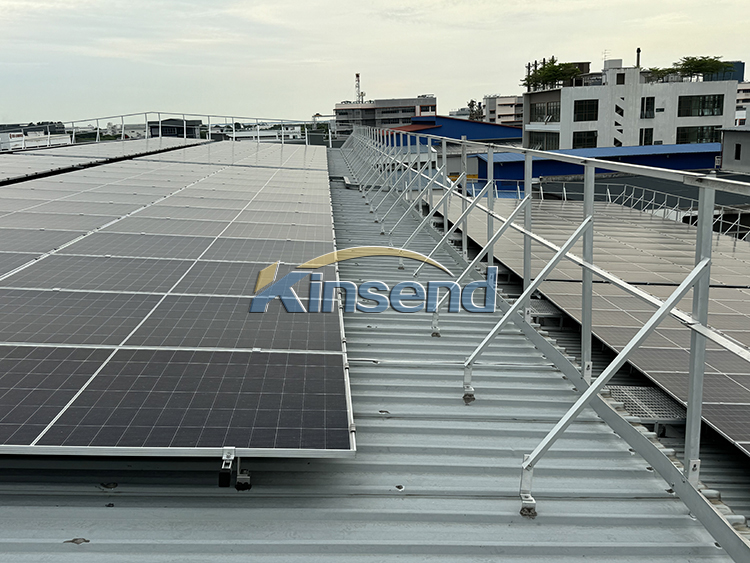

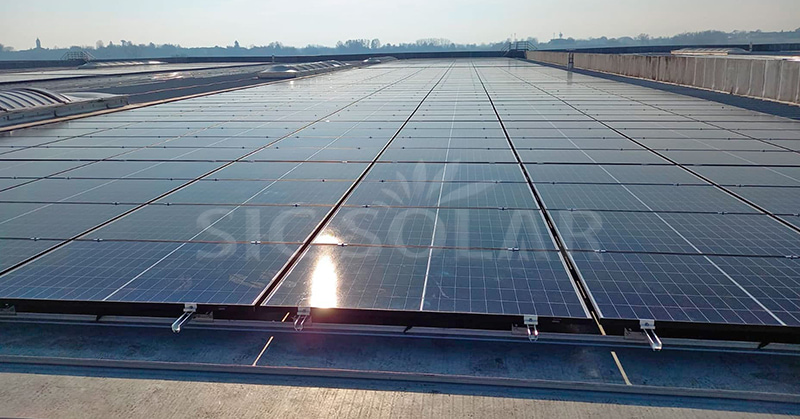
solar roof racking systems


Hedging Against Electricity Price Volatility: Solar power provides a stable energy source, reducing reliance on imported fossil fuels and mitigating the risks associated with fluctuations in international energy prices.

Environmental Benefits and Sustainable Development

Reducing Carbon Footprint: Solar PV is a clean energy source that supports Singapore’s ambitious goal of achieving net-zero emissions by 2050.


Enhancing Urban Resilience: Distributed rooftop solar PV systems contribute to a more decentralized and resilient energy network, reducing over-reliance on centralized power supply.

Green Image: For businesses, using green energy is a key way to fulfill corporate social responsibility (CSR) and meet environmental, social, and governance (ESG) goals, enhancing brand image and international competitiveness.


Strong Government Support and Planning

Policy-Driven: Through the SolarNova program, the government continuously aggregates public sector demand and conducts large-scale tenders, providing a stable and predictable market for the solar industry, attracting investment, and reducing costs.


Clear Targets: The government has set a target to deploy at least 2 gigawatts (GWp) of solar capacity by 2030, with rooftop solar PV as the absolute mainstay. This provides a clear direction for the industry.


For any design requirements of photovoltaic mounting projects, please feel free to contact us  : info@kinsend.com
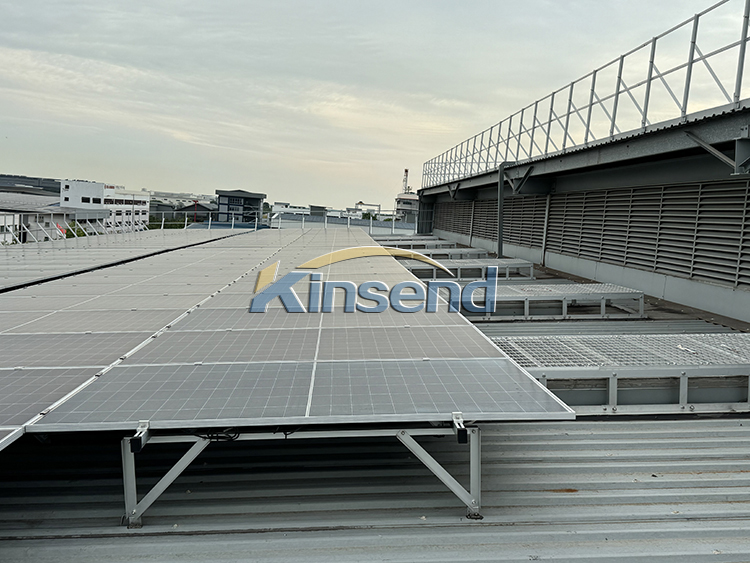


rooftop photovoltaic system


阅读全文......

Are Roof Mounted Solar Panels Worth It?

As solar energy continues to gain popularity, one of the most common questions from homeowners and businesses is whether roof mounted solar panels are worth the investment. Rooftops are often the most convenient and cost-effective location for solar installations, but it’s important to weigh both the advantages and potential limitations before making a decision.

roof mounted solar

The biggest advantage of roof mounted solar panels is space efficiency. Roofs provide a large, often underutilized surface that is already exposed to sunlight throughout the day. By using this existing space, property owners avoid taking up valuable ground area that could otherwise be used for gardens, driveways, or recreational purposes.

Another factor is cost-effectiveness. Roof installations generally require fewer materials compared to ground mounted systems, which need additional framing and foundations. This often results in lower upfront costs. Additionally, roof mounted solar systems can improve property value, as buyers increasingly look for energy-efficient and environmentally friendly homes.

From a performance perspective, roofs can offer excellent sunlight exposure. When panels are installed at the right tilt and orientation, they can capture maximum energy during peak hours. Professional mounting systems help position the panels at angles that optimize efficiency and reduce shading issues.

However, there are some considerations. Roof condition is a critical factor—if the roof is old or needs repairs, it is usually recommended to address those issues before installation. Weight is another concern, as solar panels and mounting hardware add load to the roof structure. Using high-quality, lightweight mounting brackets reduces this risk while ensuring stability.

Maintenance access can also be more challenging on rooftops compared to ground mounted systems. This is why the design of the mounting system is so important. Well-engineered systems make installation and maintenance safer and easier. Companies like SIC Solar, which manufactures and sells photovoltaic mounting brackets, focus on providing durable and adaptable roof mounting solutions that balance safety, reliability, and ease of installation.

Despite these considerations, roof mounted solar panels remain a worthwhile investment for most property owners. They offer long-term savings on electricity bills, reduce dependence on the grid, and contribute to a cleaner environment. With the right roof condition and high-quality mounting systems, a rooftop solar array can serve as a sustainable energy solution for decades.

阅读全文......

Can I Mount Solar Panels Vertically?

When thinking about solar energy, most people picture panels installed at an angle on rooftops or ground-mounted frames, positioned to capture the maximum sunlight throughout the day. But what about vertical installation? Can solar panels be mounted vertically, and if so, what are the advantages and trade-offs?

The short answer is yes—solar panels can be mounted vertically. This setup is less common than traditional angled installations but is becoming more popular in specific scenarios. Vertical mounting involves positioning panels upright, either on building facades, fences, or specially designed vertical racking systems.

vertical mounted solar panels

One of the main benefits of vertical solar panels is their space efficiency. For properties with limited roof or ground space, vertical installation allows panels to be placed on unused surfaces, such as the sides of buildings or along property boundaries. This approach is particularly useful in urban environments where rooftops may be shaded or cluttered with HVAC equipment.

Another advantage is self-cleaning potential. Panels installed vertically accumulate less dust, debris, and snow compared to panels laid flat or at shallow angles. Rainwater naturally washes the surface, reducing the need for frequent cleaning and lowering maintenance costs.

From an energy production perspective, vertical panels are most effective when facing east and west. This allows them to capture sunlight during the morning and late afternoon hours, aligning well with peak electricity demand times. However, compared to south-facing tilted panels (in the northern hemisphere), vertical panels generally generate less overall energy across the year because they receive less direct midday sunlight.

Vertical installations can also enhance aesthetic and architectural integration. Building-integrated photovoltaics (BIPV), for example, use vertical solar panels as part of the exterior façade, blending energy production with modern design. This approach not only reduces energy bills but also contributes to sustainable building certifications.

The success of vertical solar projects relies heavily on the strength and adaptability of mounting systems. Panels need to be securely fixed to withstand wind loads and weather impacts. Companies like SIC Solar, which specializes in producing and selling photovoltaic mounting brackets, provide solutions that support vertical applications while ensuring durability and safety. Their systems are designed to handle structural challenges while offering flexibility for different site conditions.

While vertical solar panels may not always be the most efficient option in terms of maximum energy output, they offer unique benefits that make them suitable for specific situations. Whether on building facades, fences, or creative architectural designs, vertical mounting expands the possibilities of where solar power can be harnessed.

阅读全文......

How to Mount Solar Panels on Metal Roof Without Drilling?

Mounting solar panels on metal roofs is one of the most efficient ways to utilize renewable energy, as metal roofs are durable, long-lasting, and often already designed to support additional loads. Traditionally, installation involves drilling holes into the roof surface to secure mounting brackets. However, many property owners prefer to avoid drilling to protect the roof’s integrity and reduce the risk of leaks. Thankfully, there are effective ways to mount solar panels on a metal roof without drilling.

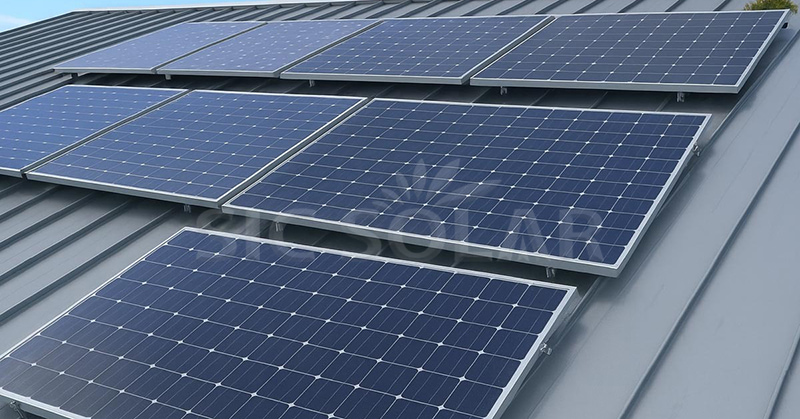
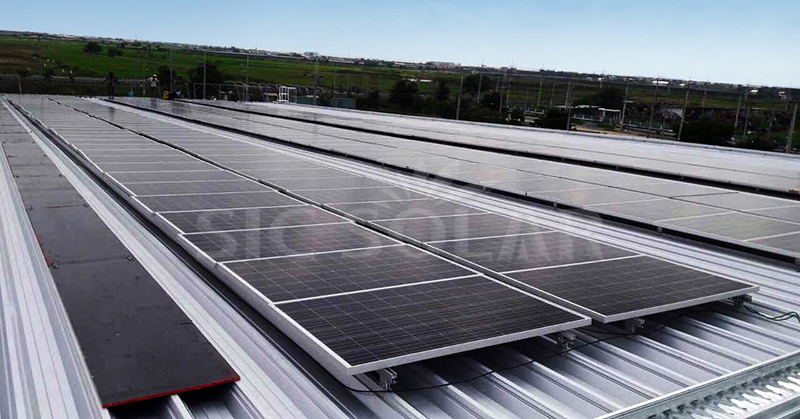
One of the most common solutions is using clamp-based mounting systems. These clamps are specifically designed to attach securely to the seams of standing seam metal roofs. Because the panels are held in place by gripping the raised seams, there is no need to penetrate the roofing material. This method not only preserves the waterproofing of the roof but also allows for a clean and quick installation process.

mounting solar panels on metal roof

Another option involves ballasted mounting systems, which use weighted structures to hold the panels in place. These systems are more common on flat metal roofs and rely on the weight of the ballast, such as concrete blocks, to keep everything secure. The advantage is that no holes are drilled, but it requires ensuring that the roof can handle the additional load.

Magnetic mounts are also an emerging technology, although they are not yet as widely used. These use strong industrial magnets to hold the mounting system in place on steel roofs. While convenient and easy to install, this solution is best suited for temporary installations or areas with lower wind loads.

When mounting solar panels without drilling, wind resistance and structural safety become even more critical. Panels must be properly secured to withstand strong gusts and adverse weather. High-quality clamps and racking systems designed for non-penetrating installations are essential to ensure both safety and long-term reliability.

This is where specialized manufacturers like SIC Solar play a key role. As a company producing and selling photovoltaic mounting brackets, SIC Solar offers solutions for standing seam and other metal roof applications that eliminate the need for drilling. Their systems are engineered to grip securely, maintain durability, and protect the roof structure while ensuring panels are optimally positioned for sunlight exposure.

Mounting solar panels on a metal roof without drilling is not only possible but also practical when using the right technology. With clamp-based or ballast systems, homeowners and businesses can enjoy the benefits of solar power while keeping their roofing intact and maintenance-free.

阅读全文......

What Makes a Solar Panel Walkable?

When solar panels are installed on rooftops, one of the practical concerns that arises is whether or not the panels can be walked on. While most panels are designed to withstand snow, wind, and other environmental stresses, they are not generally intended to bear the concentrated weight of a human step. However, the concept of “walkable” solar panels and the addition of walkway systems have become important considerations for safe and effective maintenance of solar PV systems.

A solar panel itself is constructed with tempered glass, aluminum framing, and encapsulated solar cells. This makes it durable enough to resist hail and harsh weather, but not necessarily the uneven pressure from walking. Placing body weight on a panel can cause microcracks in the cells, which may reduce efficiency over time. For this reason, most solar panels are not directly walkable, and installers and maintenance teams are usually advised to avoid stepping on them.

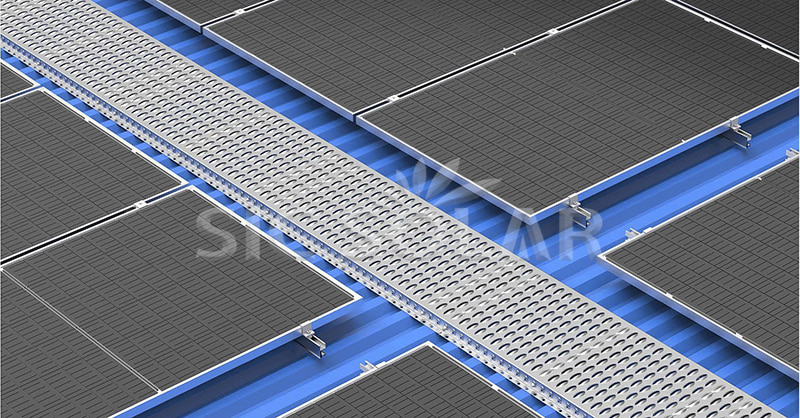
So, what actually makes a solar installation “walkable”? The answer lies in the use of dedicated rooftop walkway systems. These walkways are platforms or structured paths installed alongside or between solar panel arrays, giving technicians safe access for inspection and maintenance without putting stress on the panels themselves. Walkways distribute weight evenly and prevent accidental damage while ensuring compliance with safety standards.

roof walkway systems

The design of a walkable solar setup often includes anti-slip surfaces, corrosion-resistant materials, and compatibility with different roof types, whether flat, pitched, or metal. Properly installed walkways also protect the roofing membrane from punctures during routine access. In commercial and utility-scale installations, walkways are not just convenient but essential, as they minimize downtime and protect both panels and roof integrity.

Companies like SIC Solar, which manufactures and sells photovoltaic mounting brackets, also recognize the importance of integrating safe access into solar projects. By providing aluminum walkway systems and compatible mounting accessories, they help ensure that solar arrays remain accessible while maintaining structural reliability. Such systems are especially valuable for large installations where regular cleaning, monitoring, and occasional repairs are part of long-term maintenance.

In short, a solar panel itself is not walkable—but a solar installation can be made walkable with the proper design considerations. Walkway systems are the key to balancing accessibility, safety, and equipment protection, allowing solar power systems to operate efficiently while reducing risks of damage and unnecessary repair costs.

阅读全文......

The Benefits of Lithium Batteries Powering a Sustainable Future

As the world accelerates its transition toward renewable energy, efficient and reliable energy storage has become more crucial than ever. Among the most advanced solutions available today, lithium batteries—particularly Lithium Iron Phosphate (LiFePO4)—stand out for their superior performance, safety, and environmental benefits.

At Sunway, we bring 18 years of expertise in renewable energy systems to deliver cutting-edge lithium battery solutions that integrate seamlessly with solar, wind, and hybrid power applications.

Why Choose Lithium Batteries?

1. Safety

LiFePO4 chemistry eliminates the risk of thermal runaway, making it far safer than traditional lithium-ion or lead-acid batteries.

Stable performance even under extreme conditions.

2. Long Lifespan & Reliability

6,000+ charge cycles (compared to 500-1,000 for lead-acid batteries).

Minimal capacity degradation over time, ensuring long-term cost savings.

3. High Efficiency & Fast Charging

Higher energy density—more power in a smaller, lighter package.

Faster charging with deeper discharge capability (up to 90% DoD without damage).

4. Eco-Friendly & Sustainable

No toxic heavy metals (e.g., cobalt, lead), reducing environmental impact.

Lower carbon footprint compared to conventional battery technologies.

5. Wide Temperature Tolerance

Performs reliably in -30°C to 60°C environments, ideal for harsh climates.

Ideal Applications for Lithium Batteries

  • Solar & Wind Energy Storage – Maximize renewable energy usage with high-efficiency storage.
  • Off-Grid & Hybrid Systems – Dependable power for remote locations.
  • Electric Vehicles (EVs) & Marine/RV Use – Lightweight, long-lasting energy.
  • Industrial & Telecom Backup Power – Stable, maintenance-free operation.

Why Trust Sunway Power?

  • 18+ years in renewable energy innovation.
  • 12 patents in energy storage and control systems.
  • ISO 9001 & CE-certified manufacturing.
  • Global deployments across 30+ countries.

Lithium batteries are revolutionizing how we store and use energy, offering safer, cleaner, and more cost-effective solutions for homes, businesses, and industries.

Discover Sunway's LiFePO4 solutions at solarsunever.com—engineered for reliability, built for the future.


阅读全文......

How to Mount Solar Panels Without Drilling Holes?

For many property owners, the idea of installing solar panels brings up an important concern: how to secure them without damaging the roof or other structures. Drilling holes can create long-term issues such as leaks, weakened roofing materials, or complicated repairs in the future. Fortunately, advances in solar technology and racking design have made it possible to mount solar panels securely without the need for drilling.

One of the most common alternatives is ballasted mounting systems, often used on flat roofs. Instead of penetrating the surface, these systems rely on weighted bases, typically made of concrete blocks, to keep the panels in place. The weight holds the racking steady against wind uplift and other forces while preserving the integrity of the roof. Ballasted systems are particularly popular for commercial buildings, where roof protection and speed of installation are top priorities.

Another solution is clamp-based systems, designed specifically for metal roofs. These use specialized clamps that grip the seams of standing seam metal roofs without drilling. By attaching directly to the seams, the panels are mounted securely while leaving the roof untouched. This method provides a leak-free and highly durable solution, especially in industrial or warehouse settings where standing seam roofs are common.

non penetrating solar panel mount

For residential applications, adjustable roof hooks and adhesive-based systems are sometimes used. While adhesives are less common for large installations, they can be effective in certain smaller projects, such as balcony or lightweight roof setups. The key is ensuring the adhesive or bonding method is weather-resistant and capable of withstanding long-term exposure to sun, wind, and rain.

Ground-mounted systems also eliminate the need for drilling into roofs altogether. By installing panels on open land with pile-driven posts, concrete footings, or ballasted racks, property owners can generate clean energy without altering their rooftops. This option is ideal for homeowners or businesses with available land space and higher energy demands.

High-quality non-penetrating mounting solutions are designed with both durability and ease of installation in mind. Companies like SIC Solar, a manufacturer of photovoltaic mounting brackets, provide ballasted and clamp-based systems that allow solar panels to be installed securely without roof damage. Their products combine strength, weather resistance, and adaptability, making them suitable for a wide range of applications.

Mounting solar panels without drilling not only preserves the structure of the roof but also simplifies installation and maintenance. With the right racking system, property owners can enjoy the benefits of solar energy while keeping their building envelope intact and protected.

阅读全文......

What Is a Solar Roof Clamp?

When it comes to solar installations, the mounting system is just as important as the panels themselves. One of the key components that ensures panels are safely secured is the solar roof clamp. Though small in size, these clamps play a critical role in keeping solar arrays stable, weather-resistant, and long-lasting. Without them, it would be impossible to maintain the structural integrity of most rooftop solar systems.

A solar roof clamp is a mechanical fastening device designed to attach solar panel rails or frames securely to a roof surface without causing unnecessary damage. They are particularly common in metal roof installations, where drilling holes is undesirable because it can compromise waterproofing. Instead, clamps grip onto the raised seams or edges of the roof panels, providing a strong anchor point for the racking system while preserving the integrity of the roof.

There are different types of solar roof clamps depending on the application. Standing seam clamps are designed for roofs with raised seams, gripping tightly without penetration. Corrugated or trapezoidal clamps are shaped to match the contours of wavy metal roofs, ensuring a secure fit. These variations allow installers to match the right clamp type with the specific roof profile, ensuring both safety and durability.

customized tin roof solar panel clamp

The advantages of solar roof clamps are significant. First, they enable non-penetrating installation, which reduces the risk of leaks or structural damage. Second, they make the installation process faster and simpler, since no additional sealing or waterproofing is required. Third, they provide long-term durability, as clamps are typically made from stainless steel or aluminum, materials that resist corrosion and can withstand harsh environmental conditions.

In addition to securing solar panels, clamps also help maintain aesthetic appeal. Since they attach neatly to existing roof features, they allow solar systems to blend seamlessly with the building structure. This makes them especially attractive for commercial and industrial projects where appearance and roof protection are top priorities.

Companies like SIC Solar, a manufacturer of photovoltaic mounting brackets, produce a range of high-quality solar roof clamps designed for different roof types. Their products are engineered to provide maximum strength while keeping installation efficient and non-invasive. With solutions tailored for standing seam and trapezoidal profiles, SIC Solar ensures that panels remain securely mounted through years of exposure to wind, rain, and sun.

In essence, a solar roof clamp may be a small component, but it holds immense importance in the overall success of a rooftop solar project. By allowing secure, leak-free, and durable installations, these clamps make it possible to harness solar energy without compromising the structure beneath.

阅读全文......

What Is Recommended for a Solar PV Mounting Structure?

When planning a solar PV installation, one of the most critical components to consider is the mounting structure. While solar panels capture the sun’s energy, the mounting system is what keeps them safely and efficiently positioned for decades. Choosing the right structure ensures not only long-term performance but also protection against environmental challenges. So, what exactly is recommended when selecting a solar PV mounting structure?

The first recommendation is material quality. Mounting systems are constantly exposed to wind, rain, and temperature fluctuations. For this reason, materials such as high-grade aluminum and stainless steel are widely preferred. These metals resist corrosion, provide durability, and maintain their strength over time. A well-built mounting system minimizes maintenance and extends the lifespan of the entire solar installation.

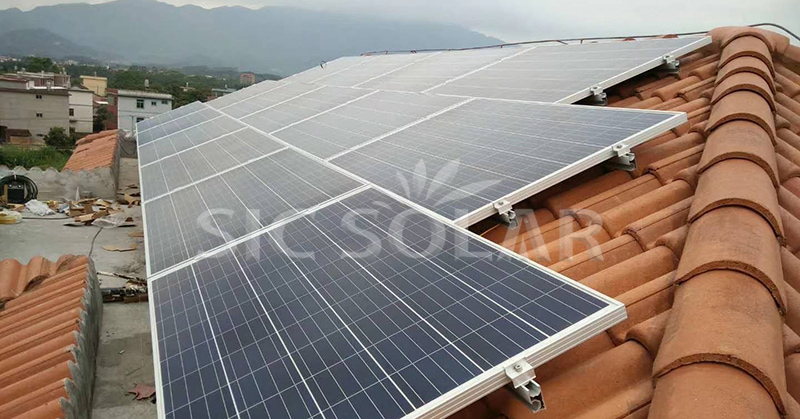
The second factor is design compatibility with the roof or ground type. Not every project is the same—some are mounted on sloped tile roofs, while others may be installed on flat roofs or directly on the ground. Each scenario requires a tailored solution. For example, tile roofs need specialized hooks to avoid damaging tiles, while flat roofs often rely on ballast systems that do not penetrate the roof surface. Ground-mounted systems, on the other hand, demand heavy-duty frames that can withstand soil conditions and wind loads.

roof mounted solar pv

Ease of installation is another important recommendation. A mounting system should be designed for quick assembly with minimal tools, reducing labor costs and installation time. Pre-assembled components, sliding nuts, and adjustable clamps simplify the process, making the installation more efficient. Companies like SIC Solar, which specializes in manufacturing and selling photovoltaic mounting brackets, offer systems designed to streamline installation without compromising strength or safety.

Structural stability and safety are also key considerations. A reliable mounting system must comply with local building codes and international standards, ensuring it can endure high wind speeds, snow loads, and even seismic activity where relevant. Safety is not only about protecting the equipment but also about safeguarding people working around the system.

Another recommendation is to consider scalability and flexibility. As solar technology advances, system owners may want to expand or modify their installations. A flexible mounting structure allows for adjustments, additional panels, or changes in configuration without needing to replace the entire system.

Finally, attention should be given to grounding and electrical bonding. Mounting systems often serve as a path for grounding to enhance system safety. Using the correct grounding washers, bonding jumpers, and accessories ensures compliance with safety standards and reduces risks of electrical faults.

Selecting the right solar PV mounting structure is not just about holding panels in place—it is about ensuring long-term reliability, safety, and performance. With expertise from manufacturers such as SIC Solar, project owners can choose systems that meet these recommendations while aligning with the unique requirements of their installations.

阅读全文......

What Is the Meaning of Agri Solar?

The growing demand for renewable energy has led to innovative solutions that combine sustainability with land optimization. One of the most promising developments in this field is agri solar, also known as agrivoltaics. But what exactly does this term mean, and why is it becoming an important concept for the future of both energy and agriculture?

solar farm agriculture

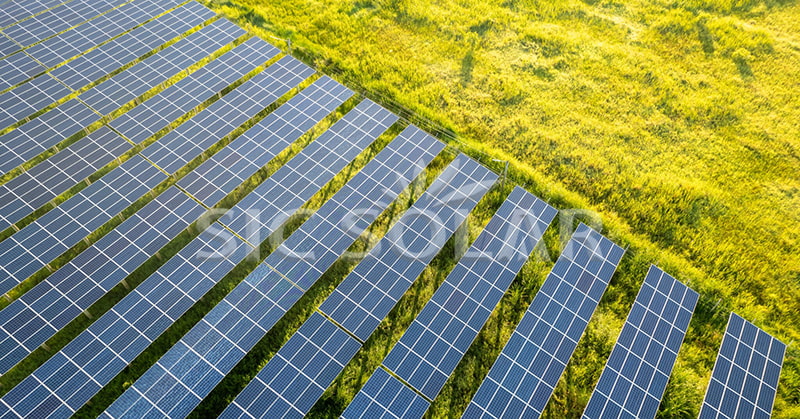
Agri solar refers to the dual use of land for both solar energy production and agricultural activities. Instead of choosing between farmland and solar farms, agrivoltaic systems allow crops and solar panels to coexist on the same piece of land. This approach not only helps generate clean electricity but also supports food production, creating a balance between renewable energy development and agricultural sustainability.

In practice, agri solar systems typically involve installing solar panels on raised structures that allow sufficient sunlight and airflow to reach the crops below. The panels may be fixed at a certain tilt or designed with adjustable angles to optimize light distribution. Farmers can continue cultivating vegetables, fruits, or even raising livestock beneath the solar arrays, while the panels generate electricity that can be used on-site or sold back to the grid.

One of the main benefits of agri solar is efficient land use. In many regions, farmland is limited and valuable, so dedicating large areas exclusively to solar farms is often met with resistance. By combining both functions, agrivoltaics reduces competition for land resources. Additionally, the partial shading from solar panels can help protect crops from excessive heat, reduce water evaporation, and create a more favorable microclimate for certain plants.

Another advantage lies in the economic opportunities. Farmers can diversify their income by generating electricity in addition to growing crops. This dual-income model increases resilience against market fluctuations or poor harvests. Communities also benefit from localized clean energy, contributing to energy independence and reduced carbon emissions.

The success of agri solar depends heavily on the design and quality of mounting systems. Solar structures must be strong enough to withstand environmental conditions while elevated to provide space for agricultural activities. Companies like SIC Solar, a manufacturer specializing in photovoltaic mounting brackets, contribute to this sector by providing durable, adaptable solutions that meet the unique requirements of agrivoltaic projects.

As the world seeks sustainable solutions to address climate change and food security challenges, agri solar presents a powerful synergy between two essential needs: renewable energy and agriculture. It demonstrates how innovation in solar mounting systems and careful land management can create a future where clean power and productive farmland thrive together.

阅读全文......