Solar Energy Solutions Provider

What's in Home EV Charger Market?

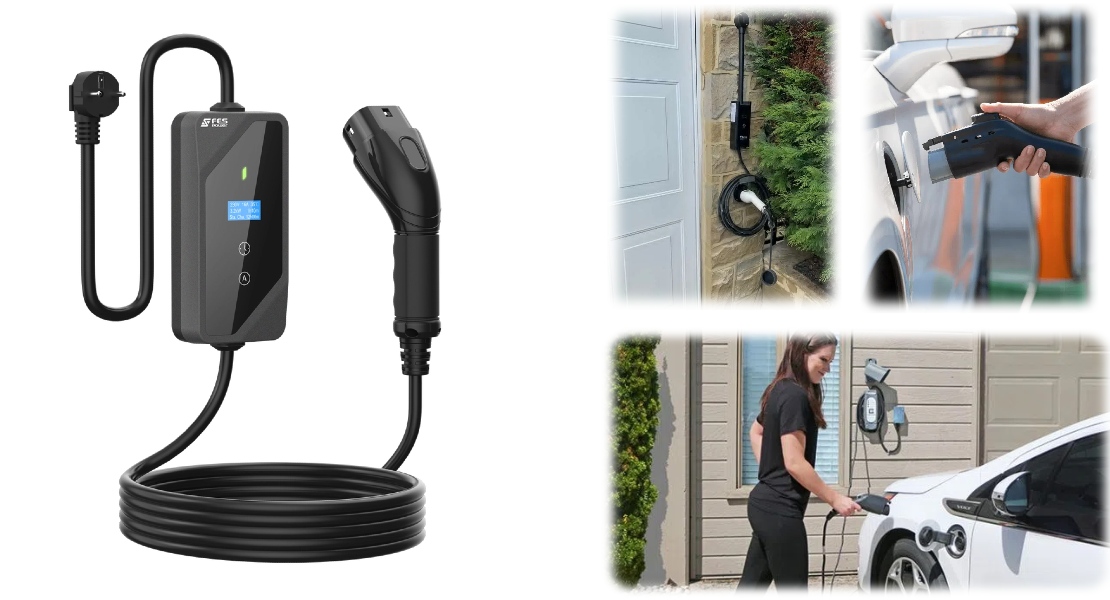
With the global push for green travel, electric vehicles are growing in popularity. Home EV chargers, a daily essential, have become a focus of market trends. Analyzing market features and usage across countries helps match consumers with the right products. Below, we'll introduce two of our home chargers: EP01/02 and EC01.
🌍 Global Home EV Charger Market Landscape & Adoption Trends
📈Market Size and Growth Trend
With the continuous rise in the ownership of electric vehicles, the market size of home electric vehicle chargers is also expanding rapidly. According to relevant data forecasts, the global home electric vehicle charger market will grow at a relatively high compound annual growth rate in the next few years.
🏙️Usage in Various Countries
⭐️European Region: The penetration rate of home charging facilities in the UK reaches 93%, and the usage rate of smart chargers exceeds 50%; in Germany, the penetration rate is 71%. In terms of policies, many countries promote the installation of home chargers through subsidies and tax incentives, and the charging technology standards are unified (mostly using European standard plugs), which is conducive to product promotion.
⭐️North American Region: The penetration rate of home charging facilities in the United States is 82%. The IRA Act has increased the tax credit for charging facilities from \(1,000 to \)4,000, stimulating the demand for high-end smart charging piles. Consumers prefer intelligent and convenient products.
⭐️Asian Region: China's new energy vehicle sales in 2024 were 11 million units, accounting for 64.3% of the global total, indicating great potential in the home charging pile market. Countries such as Japan and South Korea are also increasing investment in electric vehicle infrastructure, and the home charger market continues to expand.
🔬Product Technology Development Trend

Home EV chargers are evolving towards higher efficiency, intelligence, and safety. Currently, 7kW AC slow chargers dominate the market at 85%. DC fast chargers (20kW+) see 12% annual cost drops, aiming for 35% household adoption by 2030. Smart features like APP - controlled remote operation, scheduled charging, and status monitoring are standard. Safety has multiple layers, including overload, over - temperature, and leakage protection.
💥
EP01/02
⭐️Multi-Mode Voltage, Flexible Adaptation
EP01 and EP02 support 3.5kW/16A and 7kW/32A dual voltage modes. Opt for 3.5kW in old residential areas or low-load scenarios, and 7kW for fast charging large-battery EVs.
⭐️Intuitive Interaction, Effortless Operation
EP01 uses multi-functional indicator lights to show charging status. EP02 features a display screen for real-time data like power, electricity, and estimated time—ideal for beginners.
⭐️European Standard, Plug-and-Play
Both models come with European standard plugs, compatible with international sockets. No adapters or circuit mods needed, perfect for home and cross-regional use.
💥 EC01
⭐️Strong Protection, Adaptable to Complex Environments
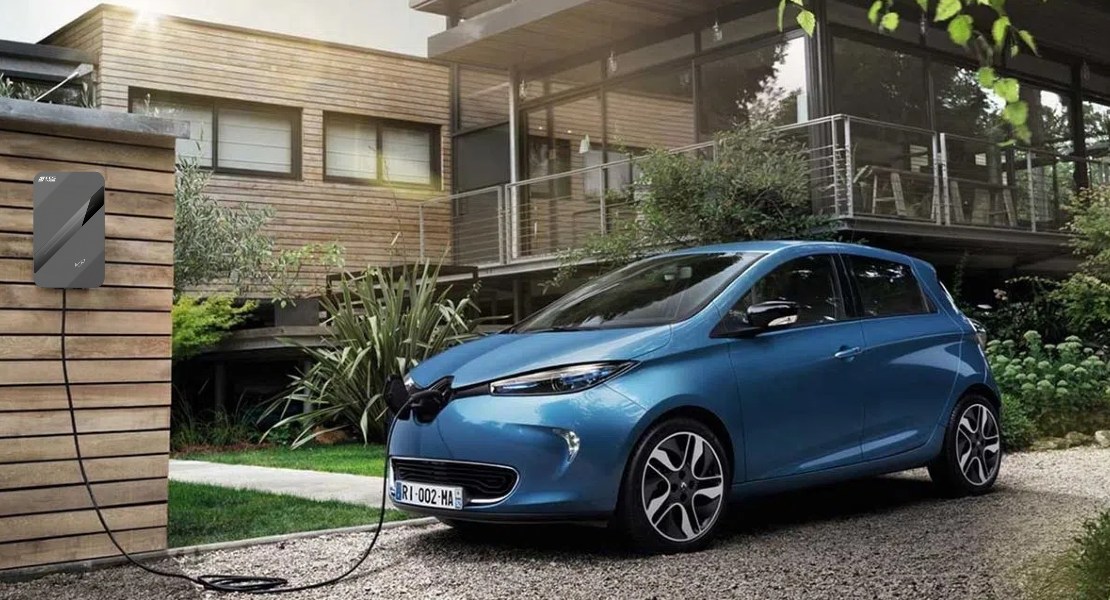
The EC01 wall-mounted charger, suitable for garage or outdoor installation, features high IP rating for dustproof, waterproof, and corrosion resistance. It ensures stable operation in extreme weather for safe charging.
⭐️Intelligent Connection, Convenient Charging
With Wi-Fi/BT support and dedicated app, schedule charging via phone to optimize off-peak rates. Real-time status monitoring and history tracking enable smart management.
⭐️Flexible Installation, Diverse Power Options
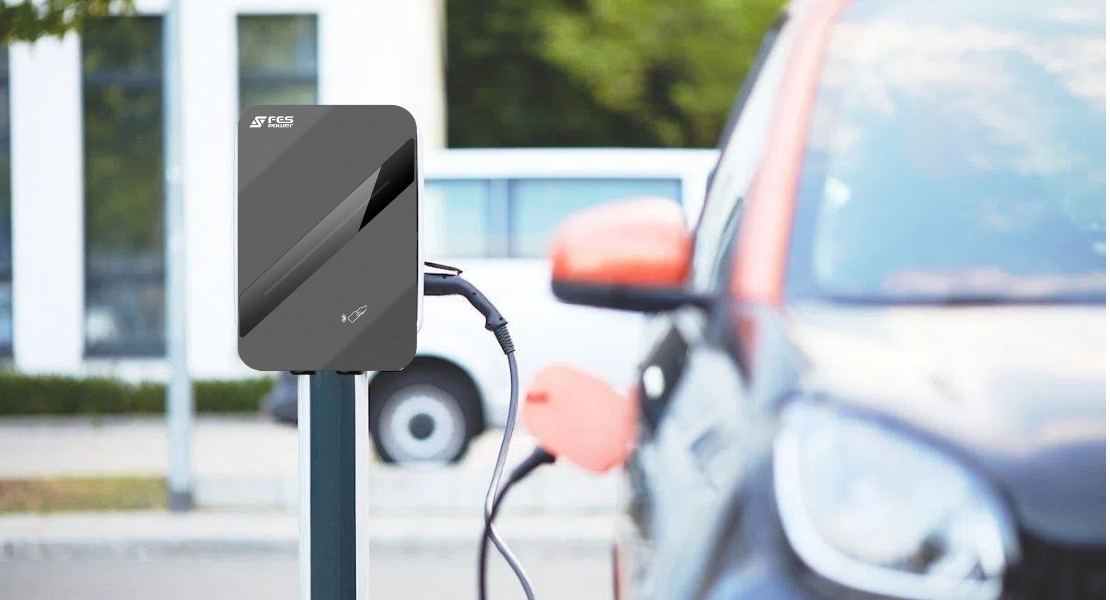
Available in wall-mounted or floor-standing models, it offers 7kW/32A & 11kW/16A for home, and 22kW/32A for commercial use, catering to various charging needs.
In the current booming global home electric vehicle charger market, our EP01/02 and EC01 products, with their unique design, rich functions, and excellent performance, can meet the diverse needs of consumers in different countries and scenarios. Click www.fescharging.com to learn more.
阅读全文......

Custom Machining Here is How to Prepare for Your Project Quote Custom Machining

Have you recently come up with a custom part design, or do you need to manufacture a part with special requirements? If so, the next steps are to hire a manufacturer, send over your 3D computer-aided design (CAD) file, receive a fair product quote, and manufacture your product, right? Not exactly.

The truth is that a lot can go wrong if your product is not correctly designed for manufacturing from the onset. For instance, you might incur huge manufacturing costs or defects that render your product useless. Therefore, there are several things and design tips that you must first understand before creating your 3D CAD and reaching out to that manufacturer.

This article covers all of these and more. It will serve as a guide to help you prepare for your project quote.

Some Design Guidelines for Custom CNC Machining

Here are some helpful design guidelines to help you achieve high-quality parts and reduce your manufacturing costs.

#1 Cavities

You should design cavities and pockets to have a depth that is less than four times the cavity width. This is because end mill tools have limited cutting length, so you might experience tool deflection and vibration when fabricating cavities with a smaller depth-to-width ratio.

However, if your product design requires a larger depth-to-width ratio, you will need specialty cutting tools, which might incur additional manufacturing costs.

#2 Wall Thickness

Thin walls are prone to vibration during CNC machining, which lowers machined parts’ achievable tolerance and accuracy. Therefore, as a rule, you should design metal parts to have a minimum wall thickness of 0.8 mm, while plastic parts should have a minimum wall thickness of 1.5 mm.

It’s possible to achieve thinner walls, but it usually comes with additional manufacturing costs.

#3 Holes

You should design holes to have standard diameters. This allows you to use standard drill bit sizes to create these holes and eliminates the need for specialty end mill tools. We also recommend that the depth of the hole is less than four times the end mill’s nominal diameter to minimize tool deflection.

#4 Tolerances

Tolerance is the allowable amount of variation in the size of a machined part that will still allow for it to function properly.

Product designers usually specify tolerances to manufacturers by stating the permissible limits of variation in a physical dimension. You can specify tolerances using the “±” symbol (pronounced “plus or minus”) and accompanied by a value, for example, ±0.05 mm. For instance, say you plan to fabricate a part with two holes (having a diameter of 21 ±0.25 mm), as shown in Figure 4.

In such a scenario, it simply means you permit a deviation of 0.25 mm extra (or less) than your standard diameter value. So, if your manufacturer fabricates a hole with a diameter of 21.25 mm or 20.75 mm, it won’t affect the proper function of your part.

CNC machines are among the most accurate manufacturing technologies, capable of achieving tight tolerances of up to ±0.04 mm. However, keep in mind that tighter tolerance requirements typically result in higher manufacturing costs.

Choose the Ideal Surface Finish

Although the CNC machining process is subtractive, it does a great job of producing parts with excellent surface finishes. The “as-machined” surface finish refers to machined parts coming straight from the CNC machines. These parts retain the accuracy of the manufacturing process and require no additional costs.

If your parts require additional post-processing options like anodizing or powder coating, then you can expect a higher project quote from your manufacturer.

Custom CNC Machining:  Safekeso Can Help

Now that you know a little bit more about custom CNC machining and product design tips, you’d probably agree that your project quote and product development success depends on your product design. That’s why you must work with a manufacturer that looks at your product design and advises you on what’s best for you.

Safekeso Precision Machining is a leading provider of custom CNC machining services across Asia. kesomachining has a team of highly qualified engineers, technicians, and quality control experts capable of getting your product done right. We keep our customers’ best interests in mind, so use our quoting tool to upload your 3D CAD files, request a quote, and discuss your manufacturing project with our highly qualified engineers.


阅读全文......

Is it worth using energy storage batteries at home?

Under the general trend of energy transformation and sustainable development, more and more families are beginning to pay attention to home energy storage systems, especially the application of home energy storage batteries. As a professional manufacturer of battery energy storage products, GreenMore is well aware of the importance users attach to energy independence, electricity cost control and environmental protection needs. So, is it worth it for families to use energy storage batteries? This article will provide you with an in-depth analysis from multiple dimensions.

1. What is a household energy storage battery?

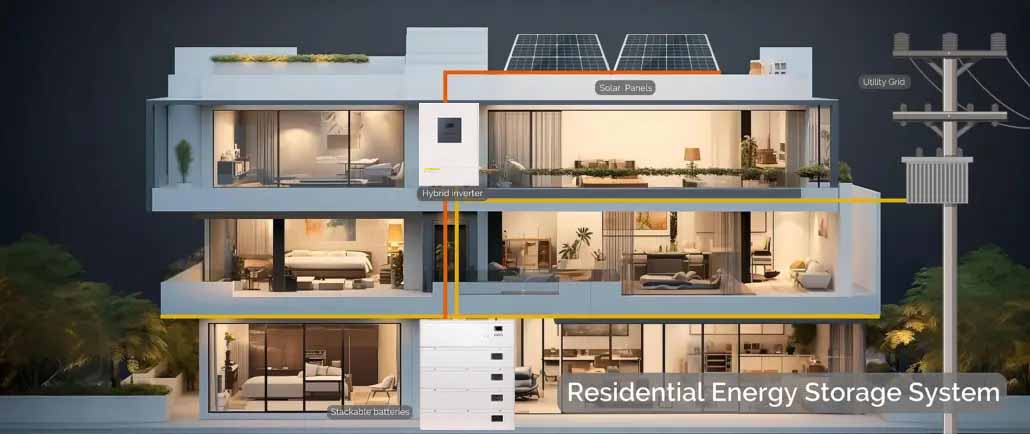
Home energy storage batteries are devices that can store electrical energy and release it when needed, usually used in conjunction with solar photovoltaic systems. GreenMore's home energy storage batteries include wall-mounted energy storage batteries, stacked energy storage batteries, integrated energy storage batteries and other forms, with capacities ranging from 5kWh, 10kWh, 15kWh, and 20kWh, and support customized capacity to meet the electricity needs of different households.

2. Why are more and more families choosing energy storage batteries?

  • Save electricity costs

By combining it with a solar power generation system, photovoltaic panels are used to generate electricity during the day and stored in energy storage batteries, which are then released for use at night or on cloudy days. This can greatly reduce dependence on grid electricity and significantly reduce monthly electricity bills.

The GreenMore energy storage system has high energy density and long cycle life, ensuring efficient and stable power supply.

  • Improving energy independence

After installing energy storage batteries, households can maintain basic electricity consumption when the power grid is out, achieving energy self-sufficiency. Especially in areas with unstable power supply, energy storage systems are an important tool to ensure quality of life.

  • Environmental protection and energy saving, helping achieve carbon neutrality

Green energy + energy storage system is the key combination to achieve a "zero-carbon home". By reducing dependence on fossil fuel power generation, energy storage batteries help reduce carbon emissions and contribute to global environmental protection.


Home energy storage system


3. Are home energy storage batteries really cost-effective?

This is the most concerned issue for many users. We analyze it from the following aspects:

Initial investment vs long term returns

Although the initial investment in energy storage systems is high, the overall cost is decreasing year by year with technological progress and policy support (such as government subsidies, tax exemptions, etc.). Taking the GreenMore energy storage system as an example, its cycle life can reach more than 6,000 times and its service life can reach more than 10 years, which has a good cost-effectiveness in the long run.

Is it suitable for your family?

  • Does your home have a photovoltaic power generation system?
  • Are electricity prices high in your area?
  • Do you experience frequent power outages?
  • Are you pursuing a low-carbon lifestyle?

If you answered “yes” to at least two of the above questions, then installing a home energy storage battery is well worth it.

4. Unique advantages of GreenMore home energy storage system

As a professional and trustworthy energy storage product manufacturer, GreenMore is committed to providing high-quality, high-performance home energy storage solutions to customers around the world. Our product advantages include:

Modular design: easy to expand and maintain, meeting future upgrade requirements

Intelligent management system: real-time monitoring of power, automatic mode switching, easy operation

Safe and reliable: using high-quality lithium iron phosphate batteries, with multiple safety mechanisms such as overload protection and short circuit protection

Wide applicability: Suitable for various home scenarios, from small houses to villas, it can be flexibly deployed

Customized service: Provide personalized capacity configuration and system integration solutions according to customer needs

5. How to choose a suitable home energy storage system?

When purchasing energy storage batteries, it is recommended to consider the following aspects:

Considerations suggestion
Capacity Select the appropriate capacity based on daily power consumption and photovoltaic system power
Cycle life Prioritize products with high cycle times and long lifespan
System compatibility Ensure compatibility with existing PV systems or inverters
Intelligent management function Support remote monitoring, automatic charging and discharging and other functions are more practical
After-sales service Choose a brand with a complete after-sales service system

GreenMore provides comprehensive technical support and after-sales services to help you easily complete system installation and subsequent operation and maintenance.

6. Home use of energy storage batteries is the future trend

In the context of the global energy structure transformation, home energy storage systems are gradually becoming an indispensable part of modern families. It not only brings economic returns, but also is an important step towards green living and achieving energy freedom.

If you are considering installing energy storage batteries for your home, you might as well choose GreenMore. We have a rich product line, strong R&D capabilities and a complete after-sales service system, and are committed to providing efficient, safe and intelligent energy storage solutions to users around the world.


阅读全文......