Solar Energy Solutions Provider

What Is a Solar Ballast System?

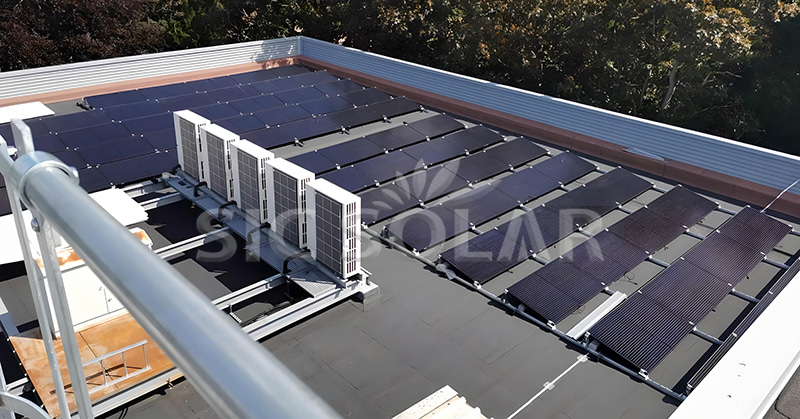
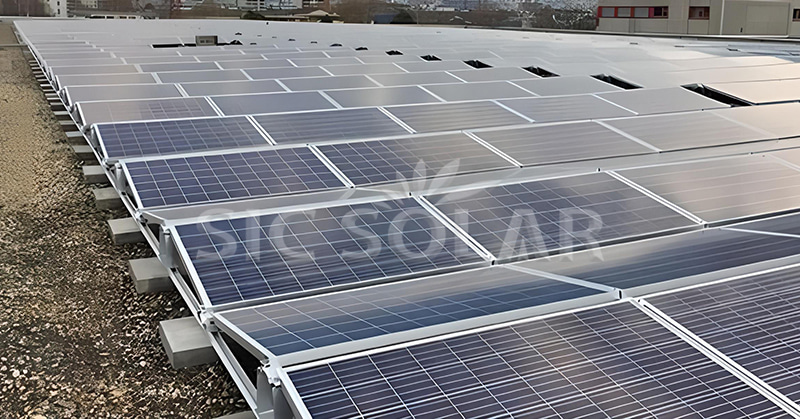
Solar ballast systems are a way to put solar panels on flat roofs without drilling any holes. They use weight to hold the panels down, which is great for businesses and factories because it keeps the roof from leaking and still lets them get solar power.

flat roof ballast solar panel mounting

Basically, these systems have a support made of aluminum or steel that sits right on the roof. The panels go on angled frames, and then heavy stuff like concrete blocks is put in trays to keep the wind from blowing them away. How much weight you need depends on the wind, how tall the building is, and how the panels are tilted.

The best part is that because you're not drilling, you're not making holes that could leak. So, it's perfect for roofs that already have waterproofing or older buildings where you don't want to mess with the roof. This usually means less maintenance for the owner.

It's important to plan these systems carefully. Engineers figure out how strong the wind is and spread the weight out so it doesn't damage the roof. They also use things like wind deflectors to cut down on how much weight you need.

It's easy to put these systems in. The panels can be lined up with space in between so they don't block each other's sun and are easy to get to for repairs. Plus, a lot of the parts come pre-made, so it's faster to install than other systems. Companies like SIC Solar make these kinds of systems to be quick to install, strong, and work with most solar panels.

The stuff they're made of matters too. Aluminum is used a lot because it doesn't rust and is light. Stainless steel screws make sure everything stays together for a long time. Rubber pads go under the system to keep it from rubbing and damaging the roof.

Even though they're good, you have to make sure the roof can handle the extra weight of the panels and the system, mainly if you get a lot of snow or wind. If it's done right, a solar ballast system is a good way to get solar power on a flat roof without wrecking the building.

阅读全文......

ATS Automatic Transfer Switch Seamless Dual Power Supply Solutions---Gaobo Power Solution

What is an ATS Cabinet:

ATS, also known as ATSE, stands for Automatic Transfer Switch, commonly referred to as a dual-power automatic transfer switch. The national standard definition of an ATS product is an electrical appliance consisting of one (or more) transfer switches and other necessary electrical components, used to detect power circuits and automatically transfer one or more load circuits from one power source to another.

This device is used to switch between mains power and backup power and provide electricity. When the mains power fails, it automatically starts the backup power supply (generator set) and switches preset important loads to the diesel generator set. When the mains power is restored, it cuts off the diesel generator set and automatically switches the loads to mains power. The diesel generator set automatically shuts down after cooling for 5 minutes and returns to standby mode.

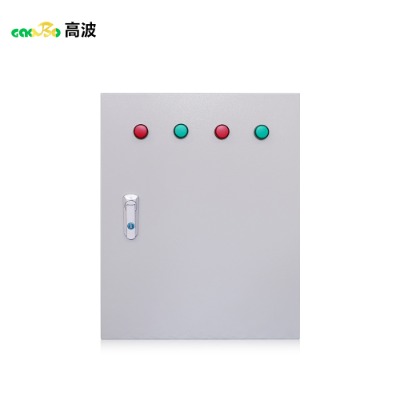
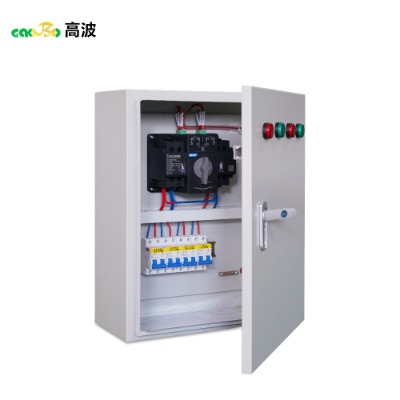
ATS Dual Power Cabinet

Key Features and Benefits

The dual-power supply is an automatic transfer switch that integrates switching and logic control, eliminating the need for an external controller and achieving true mechatronics integration. It features voltage detection, frequency detection, a communication interface, and electrical and mechanical interlocks, enabling automatic, remote electric, and emergency manual control. Operation is achieved through a logic control board that uses various logic commands to manage the operation of the motor and gearbox. This enables the motor to drive the switch spring, storing energy and releasing it instantaneously via an acceleration mechanism. This allows for rapid circuit connection/disconnection or circuit switching, with clearly visible status indicators providing safety isolation and significantly improving both electrical and mechanical performance.

Switches are suitable for automatic switching between main and backup power supplies in power supply systems, or for automatic switching and safety isolation of two load devices. Transfer switches are primarily used in power distribution or motor networks with AC 50Hz, rated voltage 440V, DC rated voltage 220V, and rated current from 16 to 4000A, for switching between one main and one backup power supply, or for switching between mains power and generator sets. They can also be used for infrequent connection and disconnection of circuits and for line isolation.

Indoor ATS Dual Power Cabinet

Typical Applications:

Our products are widely used in power transmission and distribution systems and automation systems in important power supply locations where power outages are not permitted, such as fire stations, hospitals, banks, and high-rise buildings.


Features of Dual Power Automatic Transfer Switch:

(1) Employs double-row composite contacts, a horizontal connection mechanism, micro-motor pre-energy storage, and microelectronic control technology to achieve near-zero arcing (arc-free shield);

  (2) Uses reliable mechanical and electrical interlocking technologies;

  (3) Employs zero-crossing technology;

  (4) Features clear on/off position indication and padlock function, reliably isolating the power supply from the load. High reliability and service life exceeding 8000 cycles;

  (5) Integrated electromechanical design, accurate, flexible, and reliable switching; good electromagnetic compatibility; strong anti-interference capability; no external interference; and high degree of automation.

  (6) The fully automatic type requires no external control components, has an attractive appearance, small size, and light weight. The logic control board manages the operation of the motor and gearbox directly installed in the switch using different logics to ensure the switch position. The motor is a PVC insulated, moisture-heat resistant motor equipped with a safety device that trips when the temperature exceeds 110°C or the humidity exceeds 110°C and in overcurrent conditions. It automatically resumes operation after the fault disappears. The reversible reduction gear uses spur gears.


Gaobo Power Solution Factory local in Guangzhou China and offer custom service for all kinds of switchgear, PLC Cabinet, ATS Control Box etc. Welcome to visit our Factory.

阅读全文......

Incoming vs Outgoing Switchgear Functions and Differences Explained

What is an Incoming Switchgear ?


An incoming Switchgear is a High or Low Voltage switchgear Cabinet that receives power from an external source.  Generally, it receives 10kV power from the power grid. This 10kV power is then routed through the switchgear to the 10kV busbar. The switchgear used for receiving and distributing this power is called the incoming Switchgear.


Specifically, an incoming Switchgear is the main switchgear that receives power from the low-voltage side of a transformer (low-voltage power supply) into the distribution system. In substations with voltage levels of 35-110kV and above, the incoming  switchgear is the low-voltage (10kV) switchgear cabinet of the transformer. That is, the first cabinet connected from the low-voltage side output of the transformer to the initial end of the 10kV busbar is called the incoming swtichgear, also known as the transformer low-voltage incoming switchgear.


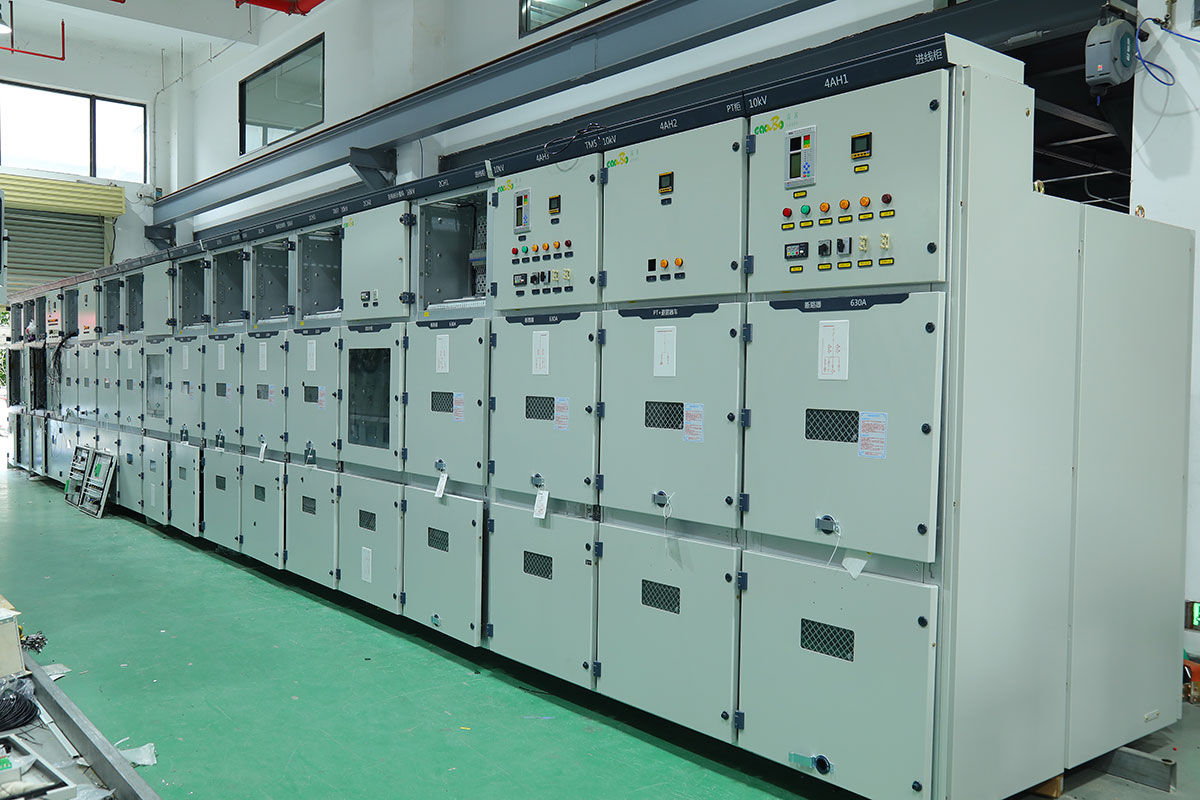
Incoming Switchgear Cabinet


What is an outgoing switchgear cabinet?


An outgoing switchgear cabinet is a switchgear cabinet that distributes electrical energy from the busbar.  For example, a switchgear cabinet that transmits power from a 10kV busbar to a power transformer is one of the 10kV outgoing switchgear cabinets.  An outgoing switchgear cabinet is installed on the low-voltage side of the transformer to transmit electrical energy to the low-voltage busbar.  Several low-voltage switchgear cabinets are then installed on the low-voltage side to distribute power to various loads. These low-voltage switchgear cabinets are all outgoing switchgear cabinets. If the low-voltage system is introduced from a nearby source, the low-voltage switchgear cabinet where the incoming line is connected is also an incoming switchgear cabinet, just at a lower voltage. Switchgear cabinets that draw power from the low-voltage busbar are also outgoing switchgear cabinets.

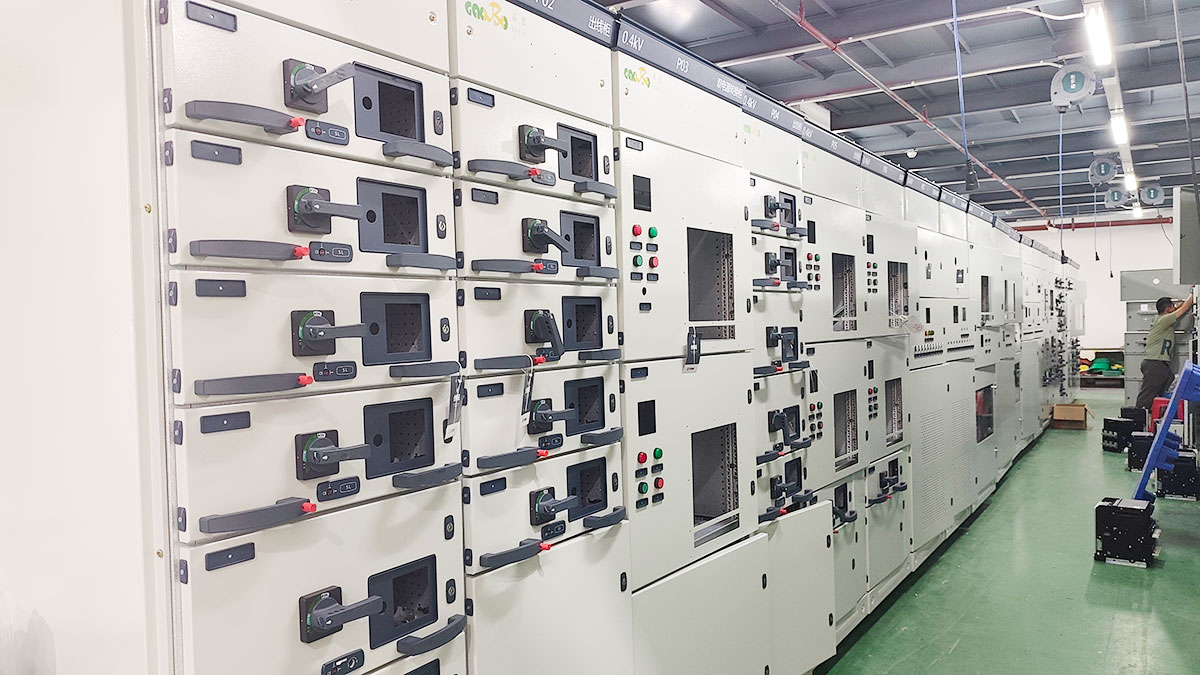
Outgoing Switchgear Cabinet


The Function of the Incoming Switchgear


The incoming switchgearl is the main switchgear Cabinet on the load side. This cabinet carries the total current of the entire busbar, and its importance is evident because it connects the main transformer to the low-voltage load output.


In terms of relay protection, when a fault occurs on the low-voltage busbar or circuit breaker of the main transformer, the overcurrent protection on the low-voltage side of the transformer trips the incoming feeder panel switch to clear the fault.  A fault on the low-voltage busbar also relies on the backup protection on the low-voltage side of the main transformer to trip the incomingl switchgear. The transformer differential protection also trips the circuit breaker on the low-voltage side of the transformer, i.e., the incoming switchgear.


The Function of Outgoing Switchgear Cabinet


Electricity is supplied from the 10kV busbar to the power transformer via a switchgear cabinet; this switchgear cabinet is one of the 10kV outgoing switchgear cabinet.


An outgoing switchgear cabinet is installed on the low-voltage side of the transformer to supply electrical energy to the low-voltage busbar.  Several low-voltage switchgear panels are then installed on the low-voltage side to distribute power to various loads. These low-voltage switchgear cabinet are all outgoing cabinet.


The above two types of switchgear cabinets are distinguished by their function. They are used in both low-voltage and high-voltage systems, and the same type of switchgear (such as the low-voltage GGD and the high-voltage KY28) can be used as an incoming switchgear cabinet, outgoing switchgear cabinet.


Further Information

Specific incoming and outgoing wiring methods: top-in/bottom-out, bottom-in/top-out, side-in/top-out, side-in/bottom-out, etc.


1. If using busbar bridges for incoming power, top entry is mandatory; if using cables, bottom entry is preferred.


2. The main connection methods between the transformer and the low-voltage incoming cabinet include: copper busbar side entry, busbar bridge top entry, and cabinet bottom cable entry.


3. Cables are generally routed from the bottom in and out, while busbars are more often routed from the top in and out. The specific method depends on the designer's considerations, including equipment selection, wiring method, civil engineering conditions, investment amount, and the owner's preferences.

阅读全文......

The Heart of Smart Buildings Unlocking HVAC Efficiency with Premium PLC Control

The Silent Energy Drain in Every Modern Building


Walk into any office, hotel, or shopping mall enjoying perfect climate control, and you’re experiencing one of modern engineering’s wonders—and one of its greatest hidden costs. Central air conditioning systems, while essential, are often energy gluttons, with their circulating water pumps running at full throttle regardless of actual need. This outdated "always-on" approach doesn’t just spike electricity bills; it wears down equipment and inflates your carbon footprint.

But what if your HVAC system could think for itself? What if it could adapt in real-time, delivering precise comfort while slashing energy use by 30%, 40%, or even 50%?

That’s not a future concept. It’s available today, engineered and built with precision at Gaobo Power Solution.


Precision Engineered Intelligence: The Gaobo PLC Control Cabinet


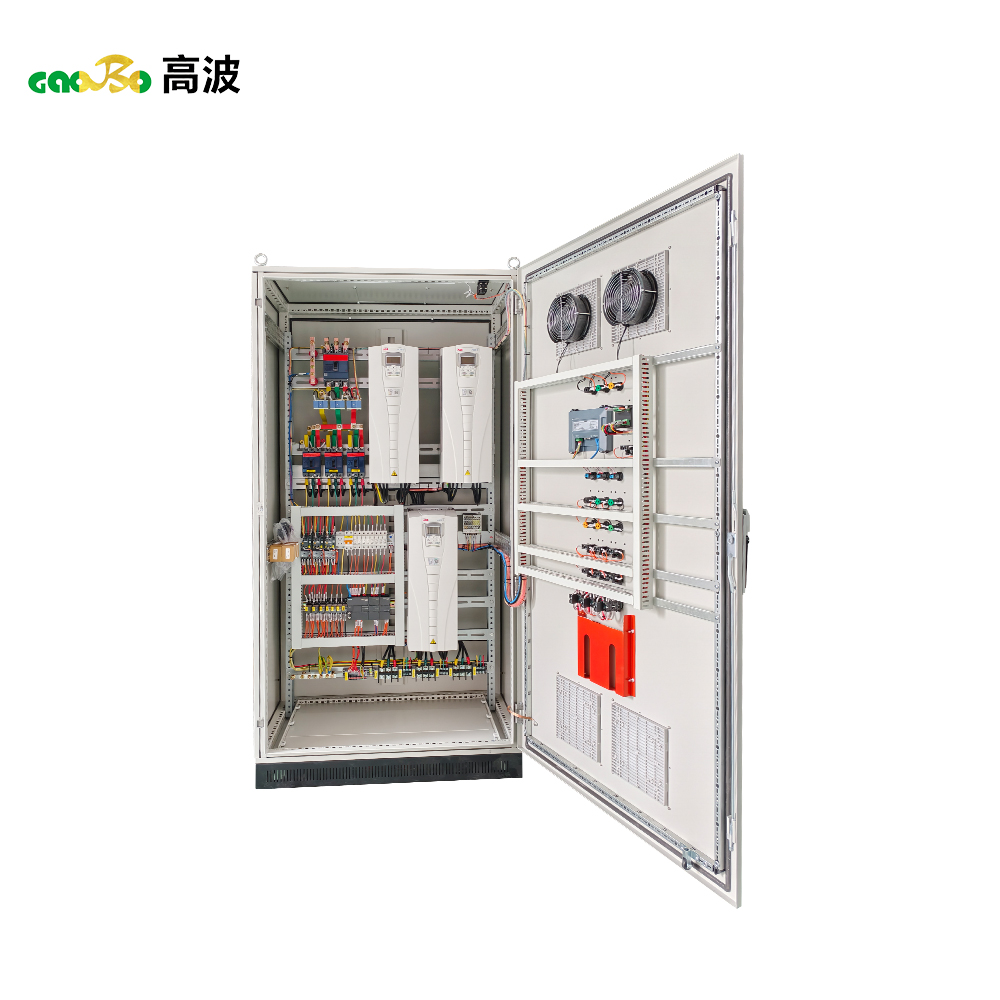
PCL Control Box

At Gaobo Power Solution, we don’t just manufacture control cabinets; we build the intelligent nervous system for central air conditioning. Our specialized PLC (Programmable Logic Controller) Control Cabinet is designed with one mission: to make HVAC operation dramatically more efficient, reliable, and cost-effective.

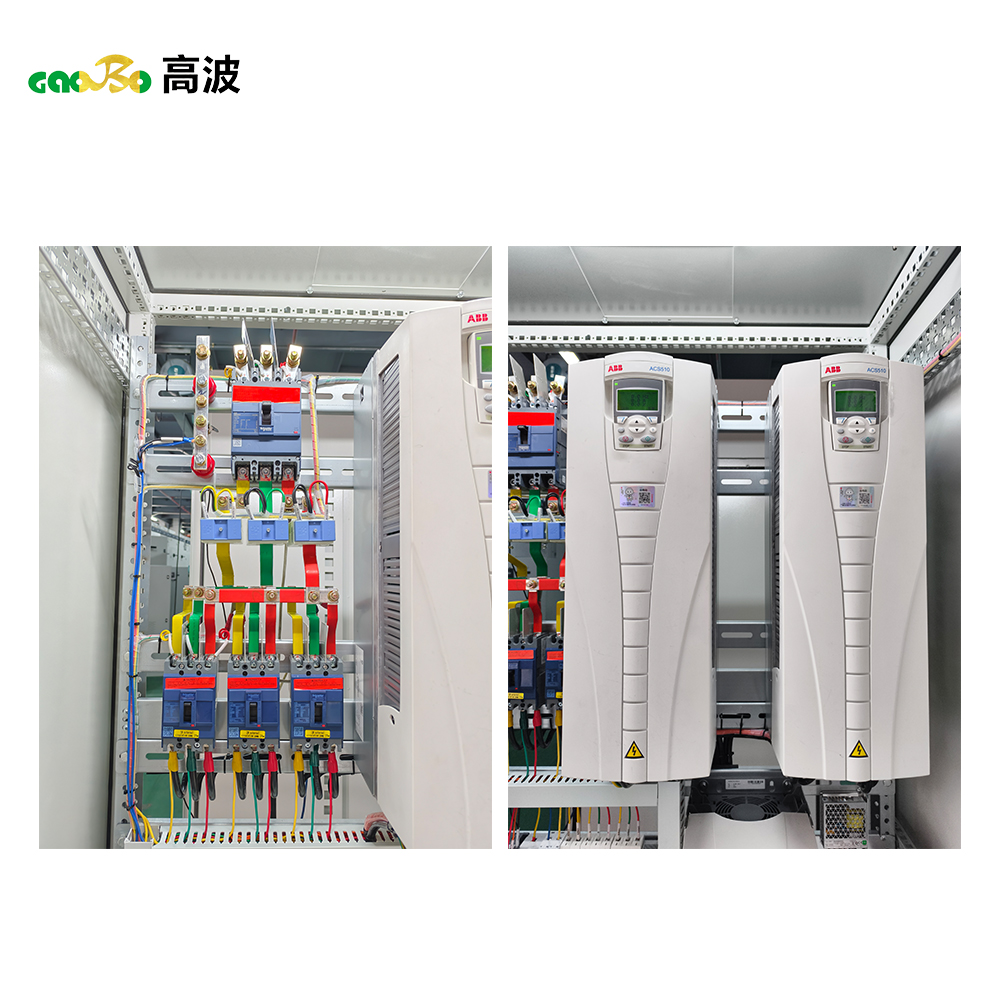
PLC Control Cabinet with ABB Parts

The core innovation is Variable Frequency Drive (VFD) control for circulating water pumps. Instead of a simple on/off switch, our system uses real-time data—like temperature, pressure, and flow rates—to dynamically adjust pump speed. The pump delivers exactly the power needed, moment by moment. No waste. No strain. Just optimal performance


Why Component Quality Isn't Just a Detail—It's Everything


A control system is only as strong as its weakest part. For mission-critical building infrastructure, compromise isn't an option. That’s why at our factory, Gaobo Power Solution, we source and integrate only components from the global leaders in industrial automation.


The Brain: Siemens Control System. Our cabinets are built around the renowned reliability and precision of Siemens PLC CPUs. Paired with an intuitive Siemens touchscreen, this gives facility managers unparalleled control and visibility into system performance.


The Muscle: ABB Frequency Converter. The ABB drive is the workhorse that precisely modulates the pump motor's speed and torque. Known for its robustness and energy-saving algorithms, it ensures smooth, efficient operation day in and day out.


The Nerves: Schneider Electric Switches & Protection. The entire system is safeguarded by premium Schneider components. From circuit breakers to terminal blocks, this ensures safety, durability, and seamless electrical integration.


This trifecta of Siemens, ABB, and Schneider isn’t a marketing choice; it’s an engineering philosophy. It guarantees a product that stands the test of time in demanding 24/7 operational environments.


Built with Pride at Gaobo Power Solution


This isn't a generic, off-the-shelf box. Every PLC Control Cabinet is meticulously assembled, programmed, and tested at the Gaobo Power Solution factory. Our expertise lies in understanding the intricate dance of HVAC systems and translating that into robust, reliable automation.


We handle the complex integration of top-tier components, rigorous quality control, and custom programming to match your specific system parameters. You don’t just get a cabinet; you get a Gaobo-engineered solution.


Is This Solution Right for Your Building?


If you manage or own a facility with a central chilled or hot water system, the answer is almost certainly yes. Our cabinets are ideal for:


Commercial Office Towers

Hotels and Resorts

Hospitals and Healthcare Facilities

Shopping Malls and Large Retail Spaces

University Campuses

Data Centers

Industrial Manufacturing Plants


The Gaobo Promise: A Smarter, Leaner, Greener Building

PLC Control Cabinet Factory

In today's world, efficiency is no longer just about cost savings; it's about operational excellence and environmental responsibility. An HVAC system with a Gaobo intelligent control cabinet at its heart is a strategic asset.


Ready to stop wasting energy and start optimizing your building’s performance?


Contact Gaobo Power Solution today. Let’s discuss how our premium PLC Control Cabinets, built with Siemens, ABB, and Schneider components, can be customized to unlock significant savings and reliability for your specific central air conditioning system.


Gaobo Power Solution: Engineering Efficiency into the Heart of Your Building.
阅读全文......

What is Box-type Substation, and what are its advantages?

Whats is Box-type Substation?

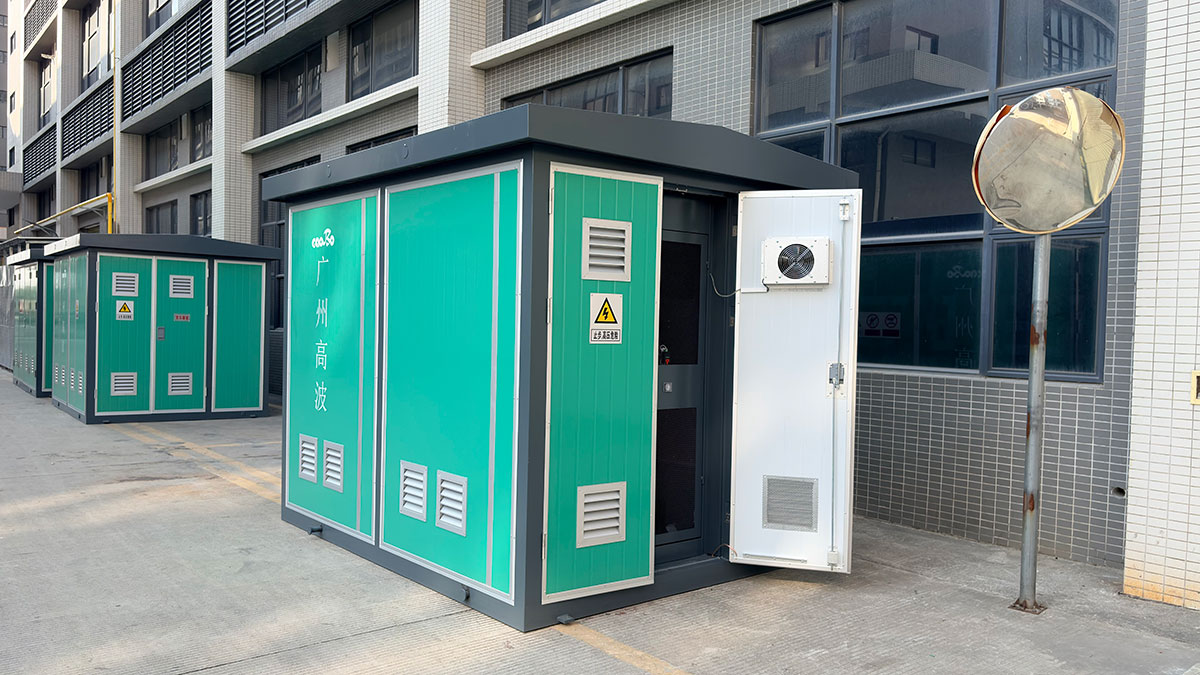
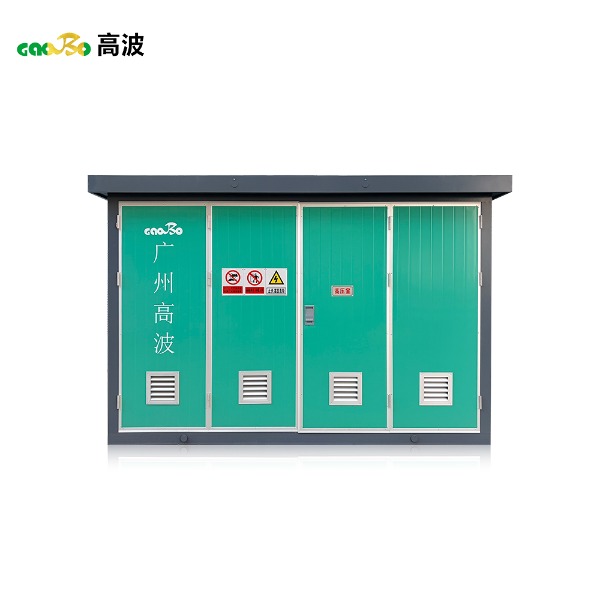
A box-type substation, abbreviated as "box substation," is internationally known as a "prefabricated substation" or "compact substation."  It is a complete set of power distribution equipment that integrates high-voltage switchgear, distribution transformers, low-voltage switchgear, electricity metering equipment, and reactive power compensation devices, all pre-assembled in one or more fully enclosed, moisture-proof, and rust-proof steel structures at the factory according to a specific wiring scheme.

Simply put, it's a "portable mini-substation," achieving the integration and modularization of substation, power distribution, control, protection, and metering functions.

Gaobo Power Solution Factory make high quality  Modern Power Distribution System Box-type Substation and offer custom service.

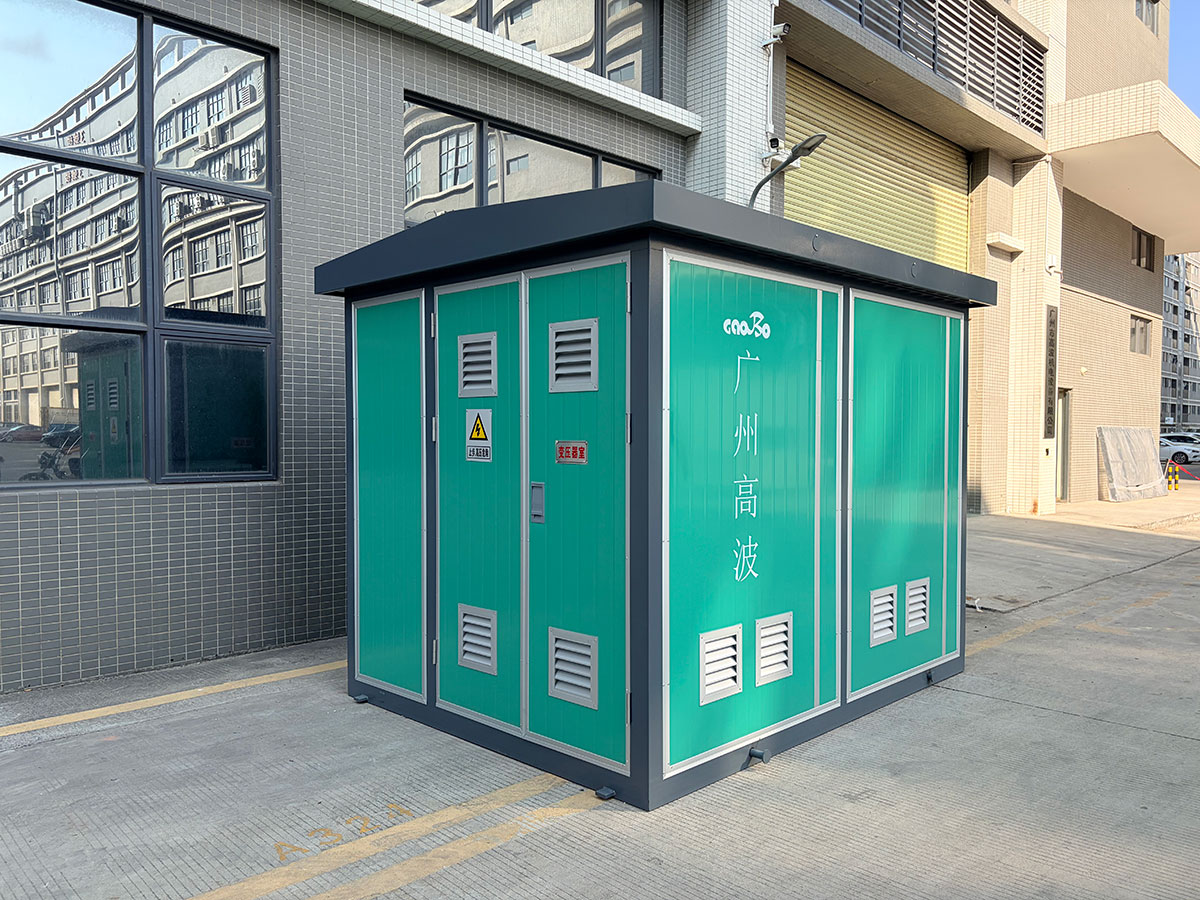
High Quality Box-type Substation

Main Features:

1. Integration and Modularization: All equipment of a traditional civil engineering substation is integrated into one or several connectable modules, resulting in a compact structure and achieving "factory-built substations."

2. Rapid Deployment: After arriving at the site, only positioning the modules, connecting cables, and commissioning are required for operation. The construction period is shortened by more than 60% compared to traditional substations.


3. Fully Enclosed Operation: The modules are made of metal or non-metallic (environmentally friendly) materials, with a fully enclosed design and a protection rating typically reaching IP23-IP54. This effectively prevents dust, moisture, and small animals from entering, making them suitable for harsh outdoor environments.

4. Small footprint: Compared to traditional civil engineering substations, it saves approximately 70%-90% of land area, making it particularly suitable for areas with limited land resources.

5. Aesthetically pleasing and environmentally harmonious: The enclosure can be designed to blend in with the landscape (e.g., with wood grain patterns or covered with greenery), easily integrating into urban or scenic environments.

6. Movable and reusable: When the power load center shifts, the entire substation can be relocated to a new location for continued use, resulting in a high return on investment.

Outdoor Box-type Substation

Application:

1. Urban public power distribution: Power grid expansion and end-user power supply for streets, residential areas, commercial centers, and parks.

2. Temporary power supply: Temporary power needs for construction sites, large-scale events, disaster relief, etc.

3. Industrial and mining enterprises: Independent power supply units for workshops or production lines in mines, oil fields, and factories.

4. New energy sector: Used as step-up substations or collection stations for photovoltaic power plants and wind farms.

5. Transportation infrastructure: Distributed power supply points along highways, railways, airports, and port terminals.

6. Rural power grid renovation: Quickly solves the problems of long power supply radius and low voltage quality in rural areas.


Core components and key technical parameters:


Component Major Equipment Key Parameters
High-Voltage Room High-voltage load switch, fuses, surge arresters, live-line indicators

Rated voltage: 10kV, 35kV

Rated current: 630A

Short-circuit breaking current: 16kA, 20kA

Protection class: IP3X

Transformer Room Distribution Transformers (typically dry-type or oil-immersed)

Rated capacity: 200kVA, 400kVA, 800kVA, 1250kVA

Impedance voltage: Uk% = 4%, 6%

Insulation class: Class F, Class H

Low-voltage switchgear room Low-voltage circuit breakers, metering instruments, capacitor compensation devices, intelligent monitoring units

Rated voltage: 0.4kV

Rated current of main circuit: up to 4000A

Compensation capacity: Configured at 20%-40% of the transformer capacity

Enclosure Structure Steel frame, sandwich panels (with insulation), ventilation and cooling system  |  Shell Material: Color-coated steel, stainless steel, aluminum, non-metallic (GRC/SMC)

Enclosure material: Color-coated steel, stainless steel, aluminum plate, non-metallic (GRC/SMC)

Protection rating: IP23D, IP54

Corrosion resistance rating: C4 or higher


Major Advantage:

1. High investment efficiency: Significant savings in civil engineering, design, and installation costs, resulting in an overall cost reduction of approximately 30%-50%.

2. Extremely short construction period:  From ordering to commissioning, it only takes a few weeks to one month, greatly accelerating the power supply process.

3. High Safety and Reliability:

    Five-way interlocking: Equipped with a complete mechanical or electrical interlocking system to prevent misoperation.

    Fully insulated/semi-insulated: The high-voltage section can adopt a fully insulated enclosed structure to reduce the risk of electric shock.

    Intelligent monitoring: Optional online monitoring systems for temperature, humidity, smoke, and access control are available for unattended operation.

4. Environmentally friendly and aesthetically pleasing: Factory production reduces on-site pollution and noise; flexible design minimizes disruption to the urban landscape.

5. Easy maintenance: Each unit is independent, and maintenance work does not interfere with other units. The intelligent monitoring system enables remote fault diagnosis and status monitoring.

6. High standardization and flexibility: The product series is highly standardized, and customized designs can be provided to meet specific customer needs.

Box-type Substation

Box-type substations are a typical product of the modern power distribution system's evolution towards miniaturization, intelligence, environmental friendliness, and aesthetic integration. They perfectly address the pain points of traditional substations, such as large footprint, long construction periods, and environmental impact, and are particularly well-suited to the power needs of new urbanization, distributed energy integration, and rapid deployment.  With the advancement of the Internet of Things and the pursuit of carbon neutrality goals, intelligent box-type substations integrating more smart sensing, energy efficiency management, and low-carbon technologies will become one of the core nodes of future power distribution networks.

阅读全文......

Can You Put Solar on Tile Roofs?

People like tile roofs because they last long, insulate well, and look good. But some folks wonder if you can put solar panels on them. Luckily, you totally can if you use the right stuff and do it the right way.

solar panels on sloped roofs

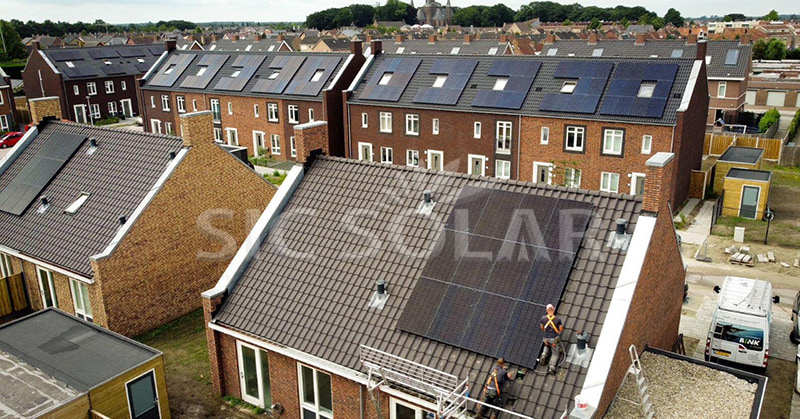
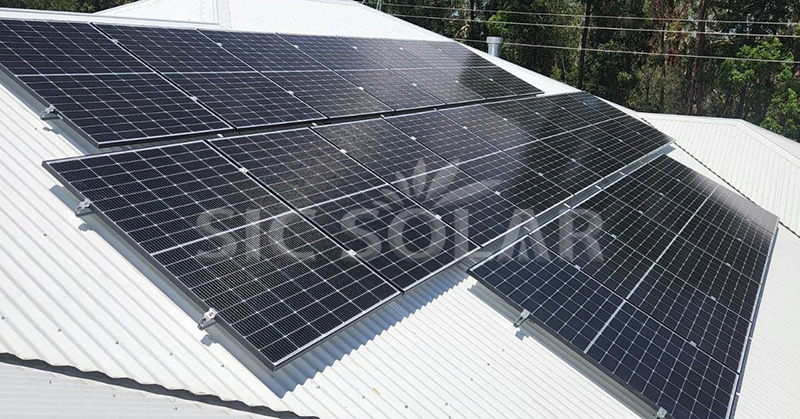
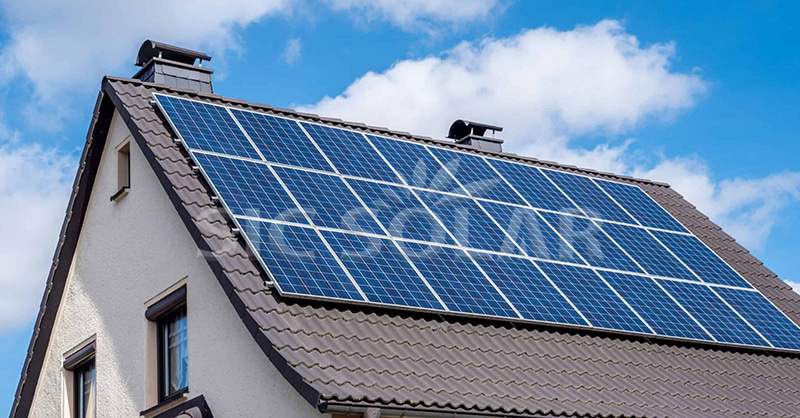
One tricky thing about tile roofs is they can break easily. Clay and concrete tiles might crack if you step on them wrong or drill into them without being super careful. So, solar panel mounts for tile roofs are made to not put any weight on the tiles. Instead, the people putting them in take off some tiles to get to the wood underneath, called rafters. Then they bolt special hooks or brackets onto those rafters. That way, the roof structure carries the weight, not the tiles.

Once the hooks are in, they change the tiles a bit so they fit back around the mounts. This keeps the roof looking the way it did before while keeping the panels secure. The hooks are designed to be small, so the wind doesn't catch them, and they don't stick out too much. Manufacturers such as SIC Solar develop stainless steel roof hooks in multiple shapes to match different tile profiles, helping installers adapt to regional roofing styles.

Keeping water out is also super important. Tile roofs keep water out by overlapping, so any holes you make need to be sealed up tight. They use things like flashing, rubber seals, and sealant around the hooks to stop leaks. If it's done right, a solar system on a tile roof will keep the rain out just as well as the regular roof.

Tile roofs work great with mounting systems that have rails. These let you adjust the panels and spread the weight evenly. Aluminum rails are connected to the hooks, so the panels line up perfectly, even if the roof isn't flat. Plus, it makes a space between the panels and the roof, which lets air flow and keeps things cooler.

Tile roofs are usually pretty strong because they're built to hold a lot of weight. Still, you should always check the roof to make sure it's in good shape before putting panels on, especially if it's an older building. You want to be sure it can handle the panels and the mounting system for years to come.

If you plan it well, use the right parts, and install it carefully, tile roofs can totally have solar panels. That way, people can get clean energy without messing up their roof.

阅读全文......

How to Mount Solar Panels on a Pitched Roof?

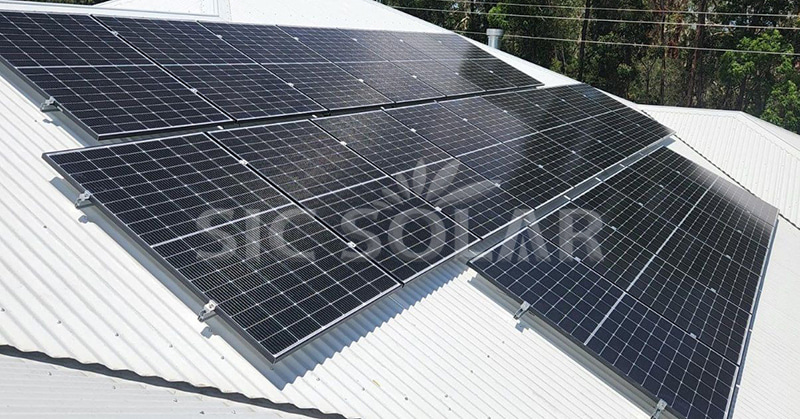
Putting solar panels on a slanted roof is a pretty standard way to do it for homes and small businesses. Because the roof is already at an angle, the panels can soak up more sun, and rain can wash away any dirt without trouble. But you've gotta do it right and use good stuff to make sure it's safe, lasts long, and works well.

install solar panels on roof

First off, you need to check out the roof itself. See what kind it is – like tile, metal, or shingles – and find the beams under it. These beams are what's going to hold the panels up. Make sure you measure and plan everything out so the panels look good and work as best they can.

Then, you’ve gotta put on the things that will attach the panels to the roof. You’ll use hooks, bolts, or clamps that go right into those beams. Here's a big thing: seal everything up tight so no water can get in. The best systems have built-in stuff to keep your roof safe from leaks. SIC Solar manufacturers make parts that are strong but also easy to put in, so it doesn't take forever and everything stays solid.

Next, you put in aluminum rails. These rails are what the panels will sit on, so they need to be level and bolted down tight. If your roof is a little uneven, there are rail systems that you can adjust to make everything line up right.

After the rails are set, you can put the panels on using clamps that grip the sides and ends. These clamps keep the panels secure but still let them expand a little when it gets hot. Make sure you don't tighten the clamps too much, or you could mess up the panels or the mounting system.

Last thing is to ground everything and tidy up the cables. Grounding keeps you from getting shocked, and keeping the cables out of the weather stops them from getting damaged. If you do all this right, your solar panels will not only stay put but also look good and work great for years.

阅读全文......

Pitched Roof vs. Flat Roof Solar Mounting What’s the Difference?

The type of roof you have really matters when you're putting in solar panels – it changes what kind of mounting system you need, how it's installed, and how well it all works over time. Slanted and flat roofs? They need different setups, each with its own pros and cons.

Slanted roofs are pretty common for houses and some businesses. They're already at an angle, which is great for catching sunlight. Mounting systems for these roofs usually use hooks, rails, and clamps that attach the panels right to the roof's frame. The roof's angle helps water and snow slide off and even helps clean the panels naturally. Setting things up is usually faster since you don't need a bunch of extra stuff to get the angle right. Companies like SIC Solar make different mounting parts made for tile, metal, and shingle roofs, which means they'll work with all kinds of roofs.

tile roof solar mounting brackets

Flat roofs are more common on businesses and factories. Since they're flat, the mounting systems have to create the right angle for the panels. Usually, this is done with structures that are held down by weights or bolted to the roof. Weighted systems use concrete blocks to keep the panels in place without poking holes in the roof, which keeps it from leaking. Bolted systems attach the structure to the roof for better protection from the wind. Flat roof systems let you set up the panels however you want, so you can get the most energy and avoid shadows.

flat roof solar mounting system

Also, how heavy things are and how the wind affects them are different for each type of roof. Slanted roof systems put the weight right on the roof's beams, while flat roof systems need to balance the weight of the blocks, how much weight the roof can handle, and how strong the wind is. good planning is key so you don't overload the roof or mess with safety. Suppliers focus on shapes that handle wind well and calculations to keep everything stable.

Getting to the systems for upkeep is different too. Flat roof setups are usually easier to get to for cleaning and checks, since people can just walk around the panels. Slanted roof systems might need extra safety steps, but they're usually higher up, so they don't get as dusty.

Both types of systems can work nicely if they're set up right. The best pick depends on the building, weather, budget, and how much you expect to do upkeep, all of which affect how well the solar panels work.

阅读全文......

What Is Flat Roof Solar Mounting? A Complete Beginner’s Guide

When you put solar panels on flat roofs (like you see on stores, factories, and some houses), it's a bit different than on slanted roofs. Since there's no natural slope, you need special stuff to hold the panels at the right angle to catch the sunlight best, keep the roof safe, and not cause any damage.

install solar panels on flat roof

The cool thing about flat roof setups is that you can adjust the panel angles. Because the roof is flat, the mounting gear lets you tilt the panels to get more sunlight. Usually, they're tilted between 5 and 15 degrees, depending on where you live, how windy it gets, and if anything blocks the sun. This gives you the best balance between making power and keeping the panels steady.

There are mainly two ways to keep the panels on a flat roof: with weights or by screwing them down. Weight systems use heavy stuff, like concrete blocks, to keep the panels from moving without making holes in the roof. People like these because they don't mess with the roof's waterproof layer. Screw-down systems attach straight to the roof and are good if you need something that can handle really strong winds or if you don't want the system to be too heavy.

How far apart you put the rows of panels is also key. You don't want one row of panels shading the next, most during the winter when the sun is lower. Good setups keep this in mind so you get the layout that makes the sunlight and uses as much roof space as can. Companies like SIC Solar make flat roof mounts that are shaped to cut down on wind lift and keep the whole thing reliable.

What the system is made of is also pretty important. Aluminum is used a lot because it's light and doesn't rust, and stainless steel bolts help it last a long time. These materials help the system hold up in all kinds of weather, even high winds and big temperature swings.

Besides holding the panels up, flat roof mounts need to let water drain right, make it easy to get to the panels for repairs, and keep all the wires organized. Walkways and space between the rows help workers check on and fix the system safely. If you use the design and good parts, solar panels on flat roofs can make plenty of power and keep the building in good shape.

阅读全文......

Why Pitched Roofs Are Ideal for Installing Solar Panels

Pitched roofs? They're great for solar panels, mostly for homes and small businesses. The slope they already have makes putting in the panels easier and the whole system works better and lasts longer.

pitched roof solar mounting

A big plus is that roofs are tilted just right. Solar panels do their best when they're at the right angle for where they are and how the sun moves. Lots of roofs are already at that good angle, so you don't have to mess with extra stuff to adjust the tilt. This means the panels grab more sun all year without making things harder to set up.

Rain runs off easily too, which is cool. Water, dirt, whatever – it all slides right off. This helps keep the panels clean, so they keep making power. Plus, less water sitting around is always a good thing. And, roofs can handle weight pretty well, so they're good for holding up solar panels if you put them on right.

Putting panels on roofs is usually easier and cheaper. You can use hooks or rails to stick them to the roof. If you do it right, they'll stay put even when it's windy and your roof stays in one piece. SIC Solar manufactures products specifically for this purpose, ensuring they are durable, rust-resistant, and suitable for all types of roofs—tile roofs, metal roofs, and more.

Also, the angle helps air flow under the panels. This cools them down, which makes them work better. Air flowing around up there helps the panels and the stuff holding them up last longer because they don't get as hot and bothered.

Looks matter too. Panels on roofs usually sit closer to the roof, so it looks nicer. People care about that, mostly if it is their houses. You want to keep it pretty. The ways they install panels now let them stick close to the roof and keeps them safe and easy to check.

Roofs let you set things up how you want. You can put the panels sideways or up and down, move them around if something's in the way, and add more later if you have room. If you get the right gear, roofs are a good, easy, and dependable way to get solar power working, no matter where you live or what the weather's like.

阅读全文......