Solar Energy Solutions Provider

What Are the Benefits of Using Economical Solar Mounting Solutions in Commercial Installations?

In the world of solar energy, the efficiency of a system isn’t only determined by the quality of the panels — the mounting structure plays an equally important role. For commercial solar projects, where scale and cost efficiency are critical, choosing economical solar mounting solutions can significantly enhance both performance and profitability. A well-designed, cost-effective mounting system ensures stability, reduces installation time, and optimizes return on investment over the system’s lifetime.

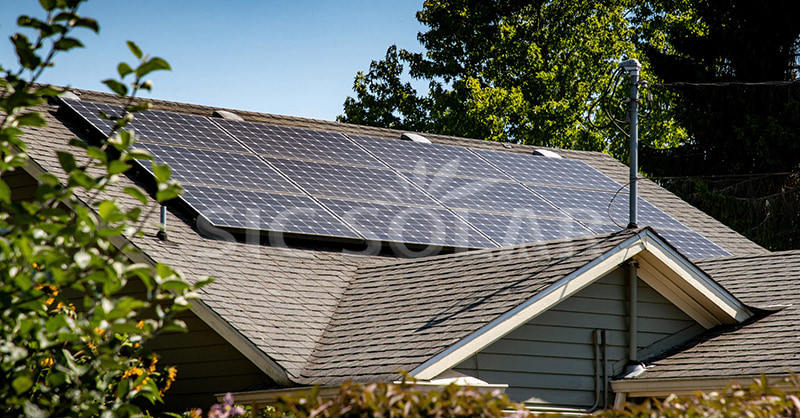
roof solar mounting systems

One of the primary benefits of economical solar mounting systems is reduced installation cost. In large commercial setups, hundreds or even thousands of panels must be installed. The labor and hardware required can quickly add up. Economical mounting systems, such as pre-assembled or easy-to-install structures, help cut down on on-site labor, minimizing overall installation expenses without sacrificing quality or safety.

Another key advantage is versatility. Commercial rooftops and grounds often vary in structure, material, and load capacity. Economical mounting systems are typically designed to be adaptable — compatible with flat roofs, pitched surfaces, and open-field installations. This flexibility allows engineers and installers to work efficiently across different projects while maintaining a consistent level of performance and reliability.

Durability also plays a vital role in cost efficiency. A low-cost product that fails early can lead to expensive repairs and downtime. That’s why it’s essential to choose systems that are not just affordable but also built with strong materials like aluminum or stainless steel. SIC Solar, a professional manufacturer of photovoltaic mounting systems, understands this balance well. The company produces reliable, long-lasting mounting structures that are both economical and durable, designed to withstand various environmental conditions — from heavy rain to high winds.

Furthermore, economical mounting solutions can improve project timelines. Systems with standardized components and modular designs allow for faster assembly, enabling commercial projects to be completed ahead of schedule. This not only saves on labor costs but also allows energy generation — and revenue — to start sooner.

From an engineering perspective, efficient mounting structures also contribute to better system performance. By maintaining the optimal tilt and orientation of solar panels, these systems help maximize sunlight exposure, ensuring consistent energy output over time. In commercial projects where every kilowatt-hour counts, this can make a measurable difference in energy yield and cost savings.

The long-term financial benefit of economical solar mounting solutions lies in their balance of affordability, reliability, and performance. When businesses select systems from experienced manufacturers like SIC Solar, they gain access to high-quality materials, expert design support, and flexible installation options that align with diverse commercial needs.

By investing in the right mounting infrastructure, commercial solar projects can reduce upfront costs while ensuring decades of reliable operation. Economical doesn’t have to mean inferior — with smart engineering and trusted suppliers, it simply means efficient, effective, and sustainable.

阅读全文......

What Are the Disadvantages of Solar Carports?

Solar carports have become a popular way to combine renewable energy generation with functional parking space. They offer shade, protection for vehicles, and a steady supply of clean electricity. While the benefits are clear, solar carports also come with several challenges that are worth considering before making an investment. Understanding these disadvantages can help homeowners and businesses make better decisions when planning solar installations.

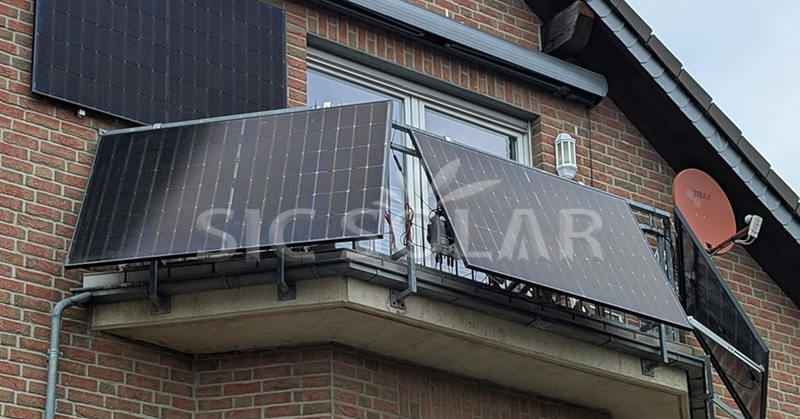
carport solar panel mounting structure

One of the most noticeable drawbacks of solar carports is their high upfront cost. Unlike rooftop solar systems that use existing structures, carports require building a new support framework strong enough to hold multiple solar panels and withstand environmental stresses such as wind or snow. This means additional materials, engineering, and construction expenses, which can make solar carports significantly more expensive to install.

Another limitation is the space requirement. Solar carports need a dedicated area large enough to accommodate both vehicles and the solar panels above. In dense urban environments or small properties, available space may be limited. The size and layout of the parking lot can also affect the system’s orientation and, therefore, its overall energy production efficiency.

Installation complexity is another consideration. Building a solar carport involves not only electrical work but also civil and structural engineering. The process can take longer than rooftop installations and may require specific building permits and design approvals. Weather conditions or soil stability can further complicate construction, leading to extended project timelines.

Maintenance and cleaning can also be slightly more demanding. Because carports are elevated structures, accessing the panels for inspection or cleaning may require specialized equipment. Although maintenance needs are minimal, they can still add to operational costs over time.

Companies like SIC Solar, a global manufacturer of photovoltaic mounting systems, address some of these challenges by developing efficient and durable carport structures. Their systems use high-strength aluminum and galvanized steel to ensure long-term reliability and easier installation. Designed for various parking layouts, SIC Solar’s mounting solutions can reduce installation labor and improve system stability, helping to offset some of the disadvantages associated with solar carports.

Another concern involves aesthetic and zoning restrictions. Some property owners worry that large steel structures could affect the visual appeal of their premises or face limitations from local regulations. However, modern designs are increasingly sleek and adaptable, blending well with both residential and commercial environments.

Despite these challenges, solar carports continue to attract attention because they serve dual purposes—energy production and vehicle protection. While their disadvantages mainly center around cost and complexity, advances in design and manufacturing, like those pioneered by companies such as SIC Solar, are gradually making these systems more accessible and efficient for widespread use.

阅读全文......

What International Standards Should You Look for in Solar Mounting Systems?

When investing in a solar power system, the quality of the solar mounting structure is just as important as the panels themselves. A well-designed mounting system not only supports solar modules safely but also ensures long-term performance and protection against environmental stress. To guarantee this level of reliability, solar mounting systems must comply with recognized international standards that define their strength, safety, and durability.

One of the most widely recognized certifications is the ISO 9001 standard, which ensures that the manufacturer follows a consistent and effective quality management system. When a company producing photovoltaic mounting systems holds ISO 9001 certification, it demonstrates that every process—from design and material selection to production and delivery—is carefully managed and continually improved. Companies like SIC Solar, for instance, adhere to strict manufacturing processes to ensure each mounting component meets high global standards.

solar mounting structure

For structural performance, AS/NZS 1170 (used in Australia and New Zealand) and EN 1991 (Eurocode 1) in Europe are key references. These standards cover the design loads solar structures must endure, including wind, snow, and seismic loads. They help engineers ensure that the solar racking system can withstand natural forces while maintaining stability and alignment over time.

In the United States, compliance with UL 2703 is crucial for any solar mounting system. This standard focuses on the electrical and mechanical safety of the racking, grounding, and bonding components. Systems certified under UL 2703 are tested for their ability to resist corrosion, prevent electrical faults, and support secure module attachment. For customers installing solar projects in North America, this certification provides assurance of both safety and long-term reliability.

For corrosion resistance and environmental performance, ISO 12944 is often referenced, especially for systems installed in coastal or industrial areas. This standard defines the levels of protection required for steel components exposed to various atmospheric conditions. In addition, ASTM standards specify material quality, such as aluminum and stainless steel used in solar mounting systems, ensuring they maintain strength and resist degradation over time.

Another emerging area of focus is IEC 62548, which provides international guidelines for the installation and maintenance of photovoltaic systems. It includes mounting-related safety aspects, such as grounding, cable management, and mechanical stability. Meeting IEC requirements helps reduce installation errors and enhances the safety of solar projects.

When evaluating solar mounting suppliers, it’s important to look for companies that not only follow these international standards but also continuously test and improve their designs. SIC Solar, a trusted manufacturer of solar mounting systems, develops products that comply with ISO, UL, and EN standards to ensure compatibility with global markets. Their mounting structures are engineered and tested for durability in diverse environmental conditions, from high winds to heavy snow loads.

By choosing solar mounting systems that meet recognized global standards, project developers and installers can ensure safety, reliability, and long-term performance. These certifications serve as a guarantee that the system has been engineered and tested according to the highest international benchmarks, providing peace of mind for both residential and commercial solar projects.

阅读全文......

What Is Ground Mounted PV?

Ground mounted PV, or ground mounted photovoltaic systems, are solar power installations where solar panels are installed directly on the ground rather than on rooftops. These systems use mounting structures that securely hold the panels at an optimal tilt and orientation to capture the maximum amount of sunlight throughout the day. They are widely used for residential, commercial, and utility-scale projects due to their flexibility, scalability, and high efficiency.

Unlike rooftop systems that depend on the structure and slope of a building, ground mounted PV systems are installed on open land. This gives designers complete freedom to choose the best angle, direction, and layout to achieve the highest energy yield possible. The panels are usually supported by durable metal mounting frames anchored into the soil using concrete foundations or ground screws, depending on site conditions.

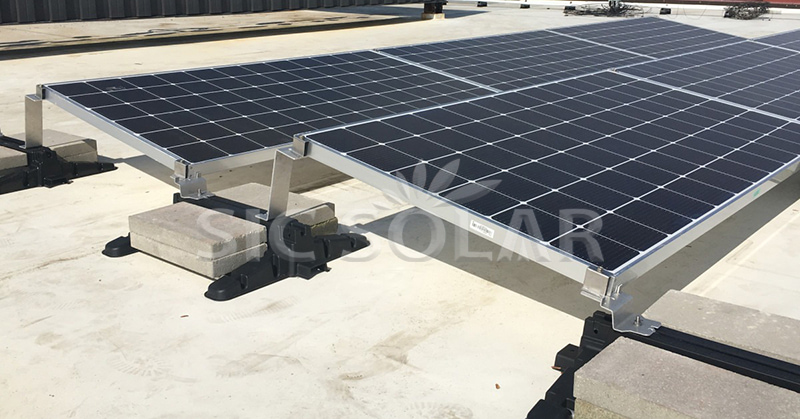
ballasted ground mount solar

There are two main types of ground mounted PV systems: fixed-tilt and tracking systems. Fixed-tilt systems hold the panels at a set angle throughout the year. They are simpler, more cost-effective, and require less maintenance. Tracking systems, on the other hand, are more advanced—they follow the movement of the sun, adjusting the panel position automatically to capture more sunlight during the day. While they are more expensive, they can significantly increase energy production.

Companies like SIC Solar, a professional manufacturer of photovoltaic mounting systems, design and produce the structures that support these solar panels. Their ground mounting solutions are made from high-strength aluminum and galvanized steel, offering superior corrosion resistance and long-term durability. These systems are designed for quick installation and are suitable for various terrains, from flat land to uneven or rocky surfaces.

One of the major advantages of ground mounted PV systems is accessibility. Because the panels are not placed on roofs, maintenance and cleaning are much easier. Installers and technicians can access the panels directly, reducing the time and effort required for regular upkeep. Additionally, since these systems are not limited by roof space, they can be scaled up easily to meet higher energy demands, making them ideal for large commercial or utility-scale projects.

Another benefit is cooling efficiency. Ground mounted panels have better airflow around them compared to rooftop systems, which helps keep the panels cooler and improves performance, especially in hot climates. The ability to optimize both tilt and spacing further enhances overall energy generation.

However, ground mounted systems require more land and sometimes additional site preparation, which can increase installation costs. Despite this, for properties with sufficient space, they remain one of the most effective and reliable solar options available.

By combining advanced engineering with strong and adaptable mounting structures, companies like SIC Solar help ensure that ground mounted PV systems perform efficiently, safely, and sustainably for decades—turning open land into powerful sources of renewable energy.

阅读全文......

What Makes SIC SOLAR’s Mounting Systems Stand Out in the Competitive Solar Market?

As global demand for renewable energy continues to grow, the solar industry has become more competitive than ever. With countless suppliers offering similar products, true innovation and quality make the difference between ordinary and exceptional. Among the companies shaping this evolving market, SIC Solar stands out for its commitment to precision engineering, reliability, and customer-oriented design in photovoltaic mounting systems.

Solar mounting systems may not attract as much attention as the panels themselves, yet they are the foundation of every installation. A high-quality mounting structure ensures the stability, safety, and efficiency of a solar system over decades. SIC Solar has recognized this importance and built its reputation around delivering durable, adaptable, and efficient solutions that meet the diverse needs of residential, commercial, and utility-scale projects.

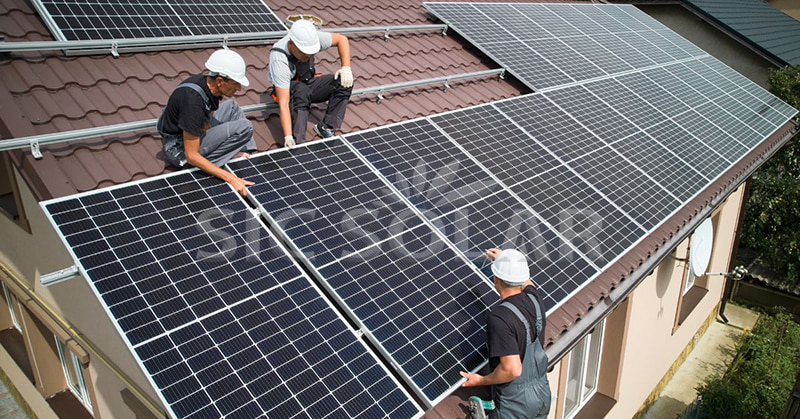
rooftop solar mounting systems

One of the key factors that make SIC Solar’s products unique is their engineering excellence. Each mounting system is designed with attention to detail, focusing on strength, corrosion resistance, and ease of installation. Using premium materials such as anodized aluminum and stainless steel, the company ensures that its systems can withstand harsh weather conditions, from high winds and snow loads to coastal humidity. This durability reduces maintenance costs and extends the lifespan of the installation.

Another defining feature is flexibility. SIC Solar’s product line covers a wide range of applications—from rooftop mounts and ground systems to carports and agricultural solar structures. Their modular and adjustable designs make installation faster and more adaptable to varying site conditions. For installers, this means fewer components, reduced labor time, and consistent results across different project types.

In an era where time efficiency directly translates into profitability, SIC Solar’s focus on simplified installation offers a clear advantage. Pre-assembled components, precision-matched fittings, and integrated cable management help streamline every stage of the installation process. These thoughtful design elements not only save time but also improve on-site safety and reduce the risk of installation errors.

Beyond technical innovation, SIC Solar emphasizes customer partnership. The company works closely with clients to provide tailored mounting solutions that fit their specific project requirements. From structural analysis to custom engineering support, SIC Solar delivers reliable technical assistance that ensures each system performs optimally for years to come.

Sustainability is another core value that drives the company. By using recyclable materials and designing systems that support long-term energy generation, SIC Solar contributes to a cleaner and more sustainable energy future. Their solutions are not just about structure—they represent a commitment to responsible, forward-thinking solar development.

In today’s competitive market, it takes more than just quality products to lead; it requires innovation, trust, and adaptability. Through advanced engineering, customer-focused service, and a dedication to sustainability, SIC Solar continues to set itself apart as a reliable and forward-looking partner in the global solar industry.

阅读全文......

How Is Smart Connectivity Transforming EV Charging?

As the electric vehicle (EV) industry accelerates, the evolution of charging technology has moved beyond simple power delivery. Today, the future lies in intelligent, connected, and platform-based EV charging solutions. But what does that really mean — and how is it transforming the way we charge our vehicles? 

🤖 How Does Intelligence Make EV Charging Smarter?

Artificial intelligence (AI) and smart algorithms are becoming the brain of EV charging networks. They analyze usage data, predict demand, and balance grid loads in real time. For fleet operators and public charging networks, this means optimized energy distribution and reduced operating costs.

💡 FES Power’s intelligent DC fast chargers come equipped with smart load management and dynamic power allocation — ensuring each vehicle gets the right charge at the right time. Whether in cities, highways, or fleet depots, our chargers adapt intelligently to energy needs and grid conditions.

🌐 Why Is Connectivity So Important for EV Charging?

Connectivity is no longer optional — it’s essential. Through IoT (Internet of Things) integration, charging stations communicate seamlessly with vehicles, users, and management systems. Remote monitoring, predictive maintenance, and user-friendly mobile apps all rely on this digital backbone.

📱 With FES Power’s networked chargers, operators can monitor performance, update firmware remotely, and even provide real-time data to drivers — ensuring reliability and transparency across every charging session.

🧩 What Does Platformization Mean in the EV Ecosystem?

Platformization brings together various elements — vehicles, chargers, payment systems, and data analytics — into a single digital ecosystem. Instead of standalone stations, the industry is moving toward integrated energy and data platforms that create long-term value.

⚙️ FES Power’s open platform supports OCPP protocol and connects easily with third-party systems, enabling scalability and interoperability. From billing systems to smart grids, our chargers are built for a future-proof EV infrastructure.

🚀 What’s Next for the Future of EV Charging?

As EV adoption grows globally, the convergence of intelligence, connectivity, and platformization will define the next phase of energy innovation. FES Power continues to lead this transformation — delivering reliable, efficient, and intelligent charging solutions that empower both users and operators.

🌿 The journey to smarter, greener mobility starts here.

🔗 Explore our latest charging technologies at www.fespower.com

阅读全文......

Is the Global EV Charging Infrastructure Entering an Acceleration Phase?

As electric vehicles (EVs) continue to surge worldwide, the global charging infrastructure is clearly entering an accelerated phase of development. Recent reports show that the number of public charging points has grown by more than 45% year-on-year — one of the fastest expansions in clean mobility history. This momentum reflects not only the rise of EV adoption but also the urgent need for smarter, faster, and more reliable charging networks.

🌍 Why Is This Acceleration Happening?

Several factors are driving this global growth:

⭐️Government incentives and policies in key regions such as Europe, China, and North America are supporting large-scale charger deployment.

⭐️Private investment is increasing as energy and tech companies recognize the long-term potential of EV charging.

⭐️Consumers’ trust in EVs continues to strengthen with improved battery range and lower ownership costs.

Together, these trends are turning EV charging from a niche service into a critical part of the global energy ecosystem.

⚙️ What Challenges Still Exist?

While expansion is rapid, challenges remain. In many regions, charging accessibility and grid capacity are not yet balanced with growing demand. Compatibility between different systems and charging standards also poses barriers to seamless EV travel. Building a network that is fast, accessible, and intelligent is now the next frontier.

🔋 How FES Power Is Powering the Transition

At FES Power, we are helping shape the next phase of global charging infrastructure with our smart and high-efficiency EV chargers.

Our solutions feature:

⭐️Fast-charging capability for both commercial and public applications

⭐️Dynamic load balancing and OCPP protocol for intelligent management

⭐️Integration with renewable energy systems to enhance sustainability

Whether for urban areas, highways, or fleet operations, FES Power’s chargers deliver reliable, scalable, and eco-friendly performance that meets the pace of global EV growth.

🌱 Looking Ahead

The world’s shift toward a zero-emission future depends on how fast charging infrastructure can evolve. As more nations commit to electrification, partnerships between innovators, policymakers, and energy providers will determine the speed of this transformation.

At FES Power, we are ready to drive that change — faster, smarter, and greener.

👉 Visit us at www.fescharging.com

 to learn more about our solutions.

阅读全文......

Smart Charging Meets Solar and Storage A New Era of EV Infrastructure

As electric mobility surges worldwide, the EV charging landscape is evolving fast — shifting from traditional power solutions to intelligent, sustainable, and energy-flexible systems. 🚗⚡

The latest trend combines smart charging with solar energy ☀️ and battery storage 🔋, creating cleaner, more resilient power networks that shape the future of green transportation. 

🌱 Accelerating the Energy Transition

Traditional EV chargers often rely on complex grid connections and long installation timelines. 

🌞⚡In contrast, smart charging systems with solar + storage integration can operate semi-independently from the grid — reducing peak loads, speeding up installation, and maximizing renewable power use. 

These hybrid systems store solar energy during the day ☀️ and release it during high-demand hours 🌙, balancing the grid and cutting operational costs. 💰

🔋 Battery-Buffered Charging: A Smarter Path Forward

A new generation of battery-buffered ultra-rapid chargers is reshaping the market.

Instead of waiting 3–6 years for utility upgrades, these systems can be deployed in as little as 1–2 years. ⏱️

By integrating on-site energy storage, they deliver high-power, stable charging even in locations with limited grid capacity.

Cannon 300 — FES Power’s Answer to the Future

FES Power’s Cannon 300 redefines what “smart charging” means.

It combines ultra-rapid performance, renewable readiness, and modular scalability, making it ideal for modern EV hubs, fleets, and highway stations. 🏙️🚚

Key Highlights:

🔌 Up to 600 kW ultra-fast output, supporting 600 A liquid-cooled and 250 A air-cooled dispensers.

🔋 Built-in LiFePO₄ battery (150–260 kWh) for flexible and stable energy use.

☀️ PV integration with MPPT function — directly utilizes solar power.

🌐 Smart communication: Ethernet, 4G/LTE, Wi-Fi, and OCPP 1.6J/2.0.

❄️ Operates from -25 °C to 55 °C, low noise (<45 dB Eco mode).

🧠 Works in grid-tied or off-grid mode for full deployment flexibility.

🌍 Building a Cleaner, Smarter Future

By integrating solar energy, storage systems, and smart control, Cannon 300 enables faster, cheaper, and greener charging infrastructure. 💡

It’s not just a charging station — it’s a complete energy ecosystem built for the new era of e-mobility. 🚘🌱

FES Power — Empowering the Future of Energy Transition

🔗 www.fespower.com

阅读全文......

Swap or Charge? Finding the Smart Balance for the Future EV Infrastructure

❓Why Is the Industry Talking About “Swap vs. Charge”?

As electric vehicle (EV) adoption accelerates, the competition between battery swapping and fast charging has become a key topic in the EV ecosystem. Battery swapping offers rapid energy replenishment within minutes, while fast charging continues to evolve toward higher power and smarter management. Instead of a simple “either-or,” the industry is now moving toward a hybrid strategy—a layout that integrates both charging and swapping to meet diverse mobility demands.

🤔What Are the Core Advantages of a Mixed Layout?

A hybrid model allows cities and operators to balance speed, cost, and flexibility. In urban centers with high EV density, swap stations ensure rapid turnover for taxis and fleets. Meanwhile, fast-charging stations—especially DC chargers and solar-storage-integrated systems—serve private users and long-distance drivers. This approach optimizes energy use, reduces grid pressure, and enhances user accessibility.

🧾How Does FES Power Support the Mixed-Energy Transition?

FES Power offers a full spectrum of charging solutions that perfectly fit the hybrid deployment model.

⭐️Portable chargers (3.5–7 kW) provide flexibility for personal and emergency use.

⭐️Wall-mounted AC chargers (7–22 kW) enable convenient home or workplace charging.

⭐️DC fast chargers (120–160 kW) ensure quick energy replenishment for commercial use.

⭐️Solar-storage superchargers (150–480 kW) integrate renewable power for sustainable operations.

⭐️Mobile power units (46–60 kW) deliver on-demand backup energy for swap or event sites.

Together, these solutions empower operators to design customized, efficient energy networks that combine both charging and swapping advantages.

⁉️Can Hybrid Layouts Ease Infrastructure Pressure?

Yes. A combined system reduces the strain on the grid by distributing energy loads. Swap stations can serve fleet vehicles during peak hours, while FES Power’s fast chargers can operate during off-peak times with intelligent scheduling. The integration of energy storage also allows renewable generation to play a larger role in charging networks, supporting stable power delivery and cost optimization.

🌍What Will the Future of EV Energy Networks Look Like?

In the next few years, we’ll see more co-located swap and charging hubs, especially near logistics centers, highways, and urban transportation corridors. The winners will be those who create flexible, scalable, and data-driven infrastructure ecosystems—exactly the direction FES Power is advancing toward.

By combining smart charging technology, modular design, and clean energy integration, FES Power is helping global partners build the next generation of hybrid EV infrastructure—where swapping and charging coexist, complement, and accelerate the journey to full electrification.Please click https://www.fescharging.com/ to learn more.

阅读全文......

The Reliability Crisis in EV Charging

As electric vehicles (EVs) surge in popularity, drivers expect charging to be as simple and seamless as refueling a gas car. Yet, recent studies reveal a worrying fact — nearly 30% of EV charging attempts end in failure. From unresponsive chargers to broken connectors and unstable networks, reliability has become the biggest pain point for the EV ecosystem.

🤔What’s Causing the Charging Failure Rate to Stay So High?

Despite rapid infrastructure expansion, system stability hasn’t kept pace. Common failure reasons include:

🔷Software communication errors between chargers and vehicles

🔷Hardware degradation due to poor maintenance or harsh weather

🔷Payment and network connection issues disrupting transactions

🔷Overloaded power circuits during peak usage

These failures not only frustrate users but also slow down the transition to electric mobility. When charging becomes unpredictable, consumer confidence suffers — and that’s a problem for everyone in the EV chain.

🧾How Can Portable Charging Devices Offer a Reliable Backup?

In response to the growing concern over unreliable public chargers, portable charging solutions are emerging as a flexible and dependable alternative.

FES Power’s Portable EV Charger Series (EP01 / EP02) provides drivers with a safe, mobile, and convenient charging option — ensuring that “charging anxiety” never stands in the way of your journey.

⁉️What Makes the FES Power Portable EV Charger Different?

⭐️Reliable Safety Protection:

Type A 30mA + 6mA DC leakage protection, with multiple hardware and software safeguards against overcurrent, overheating, short circuits, and surges.

⭐️Flexible and Convenient Design:

Portable or wall-mounted installation, IP65 waterproof and IK08 impact-resistant, suitable for home, office, or outdoor use.

⭐️Smart Charging Features:

Adjustable charging current and scheduled charging based on off-peak electricity prices — making every charge both smarter and cheaper.

⭐️High Compatibility:

Supports Type 2 (EU) connectors, compatible with most EVs.

⭐️Power Options:

EP01/EP02-S16: 3.5kW / 16A

EP01/EP02-S32: 7kW / 32A

Standard 5-meter cable (customizable).

Compact yet powerful, the EP02 model even includes a 3.5-inch OLED display for real-time charging data and status monitoring.

🔬Are Portable Chargers the Future of Reliable EV Charging?

While large-scale public infrastructure remains vital, the future of EV charging will likely blend fixed and mobile solutions. Portable chargers like FES Power’s EP series offer users peace of mind, flexibility, and independence — ensuring energy is always within reach, even when public chargers fail.

As the industry strives to fix network reliability, portable chargers represent a bridge toward true charging freedom — anytime, anywhere.

👉 Learn more about FES Power’s Portable EV Charger solutions:

🌐 www.fescharging.com

阅读全文......