Solar Energy Solutions Provider
EV Charging

How Is Smart Connectivity Transforming EV Charging?

As the electric vehicle (EV) industry accelerates, the evolution of charging technology has moved beyond simple power delivery. Today, the future lies in intelligent, connected, and platform-based EV charging solutions. But what does that really mean — and how is it transforming the way we charge our vehicles? 
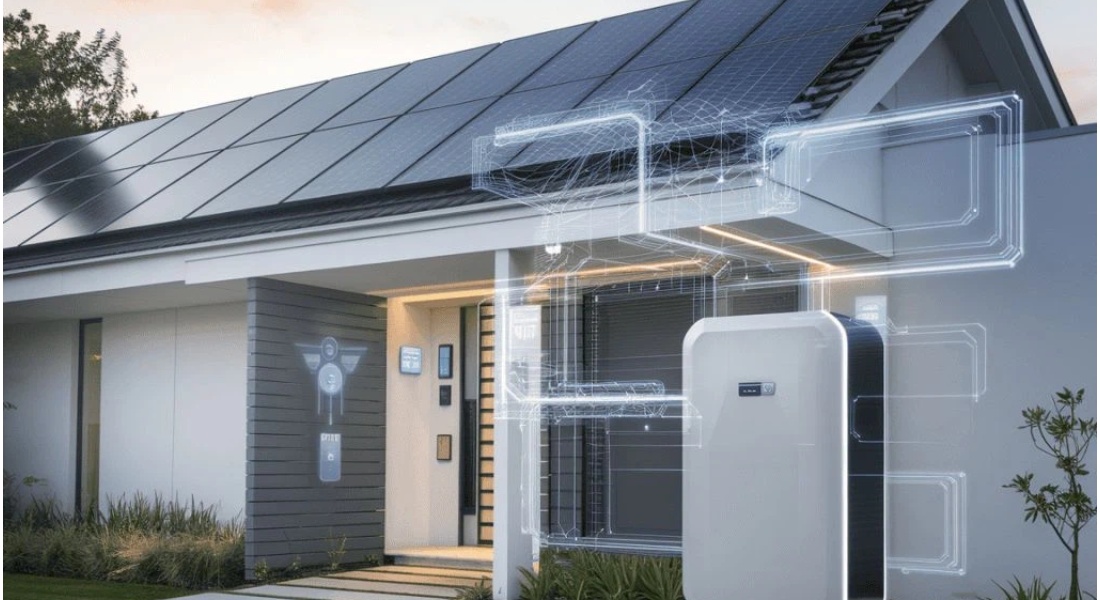
🤖 How Does Intelligence Make EV Charging Smarter?

Artificial intelligence (AI) and smart algorithms are becoming the brain of EV charging networks. They analyze usage data, predict demand, and balance grid loads in real time. For fleet operators and public charging networks, this means optimized energy distribution and reduced operating costs.

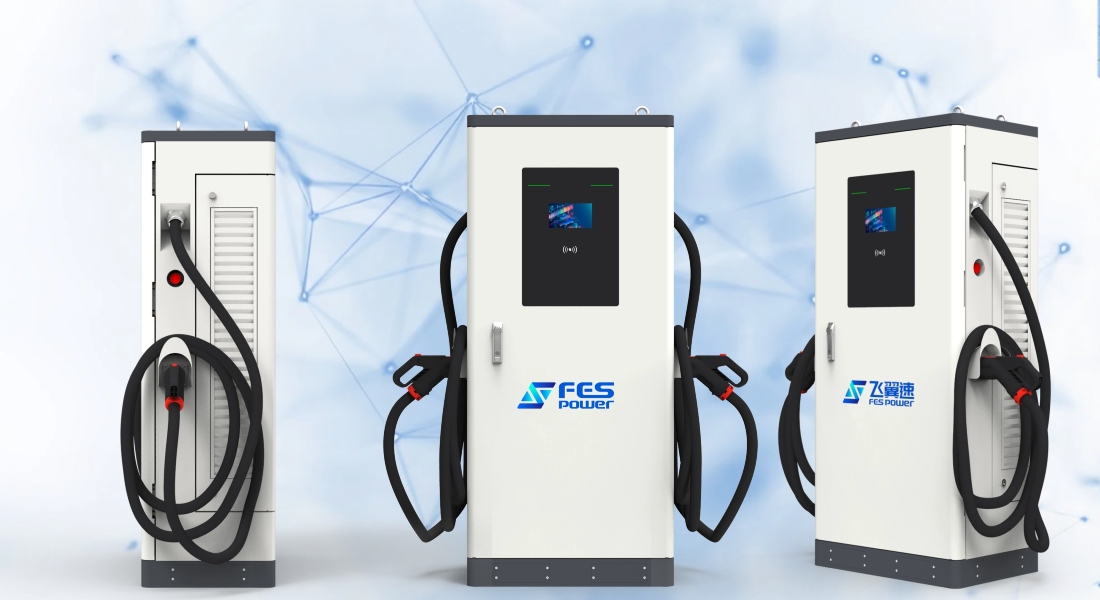
💡 FES Power’s intelligent DC fast chargers come equipped with smart load management and dynamic power allocation — ensuring each vehicle gets the right charge at the right time. Whether in cities, highways, or fleet depots, our chargers adapt intelligently to energy needs and grid conditions.

🌐 Why Is Connectivity So Important for EV Charging?

Connectivity is no longer optional — it’s essential. Through IoT (Internet of Things) integration, charging stations communicate seamlessly with vehicles, users, and management systems. Remote monitoring, predictive maintenance, and user-friendly mobile apps all rely on this digital backbone.
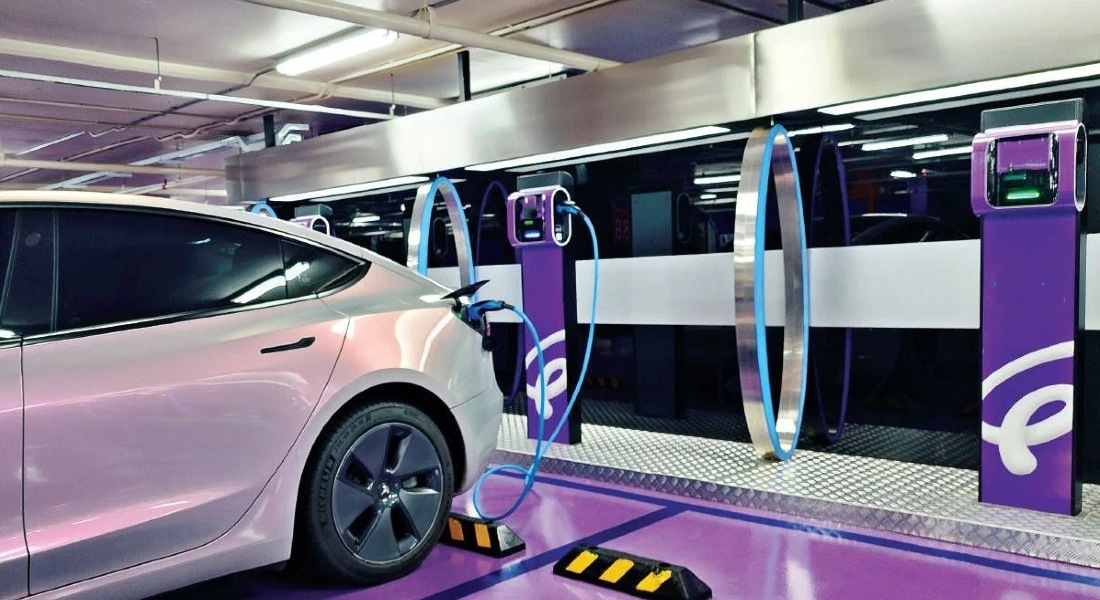
📱 With FES Power’s networked chargers, operators can monitor performance, update firmware remotely, and even provide real-time data to drivers — ensuring reliability and transparency across every charging session.

🧩 What Does Platformization Mean in the EV Ecosystem?

Platformization brings together various elements — vehicles, chargers, payment systems, and data analytics — into a single digital ecosystem. Instead of standalone stations, the industry is moving toward integrated energy and data platforms that create long-term value.

⚙️ FES Power’s open platform supports OCPP protocol and connects easily with third-party systems, enabling scalability and interoperability. From billing systems to smart grids, our chargers are built for a future-proof EV infrastructure.

🚀 What’s Next for the Future of EV Charging?

As EV adoption grows globally, the convergence of intelligence, connectivity, and platformization will define the next phase of energy innovation. FES Power continues to lead this transformation — delivering reliable, efficient, and intelligent charging solutions that empower both users and operators.
🌿 The journey to smarter, greener mobility starts here.

🔗 Explore our latest charging technologies at www.fespower.com
阅读全文......

Swap or Charge? Finding the Smart Balance for the Future EV Infrastructure

❓Why Is the Industry Talking About “Swap vs. Charge”?

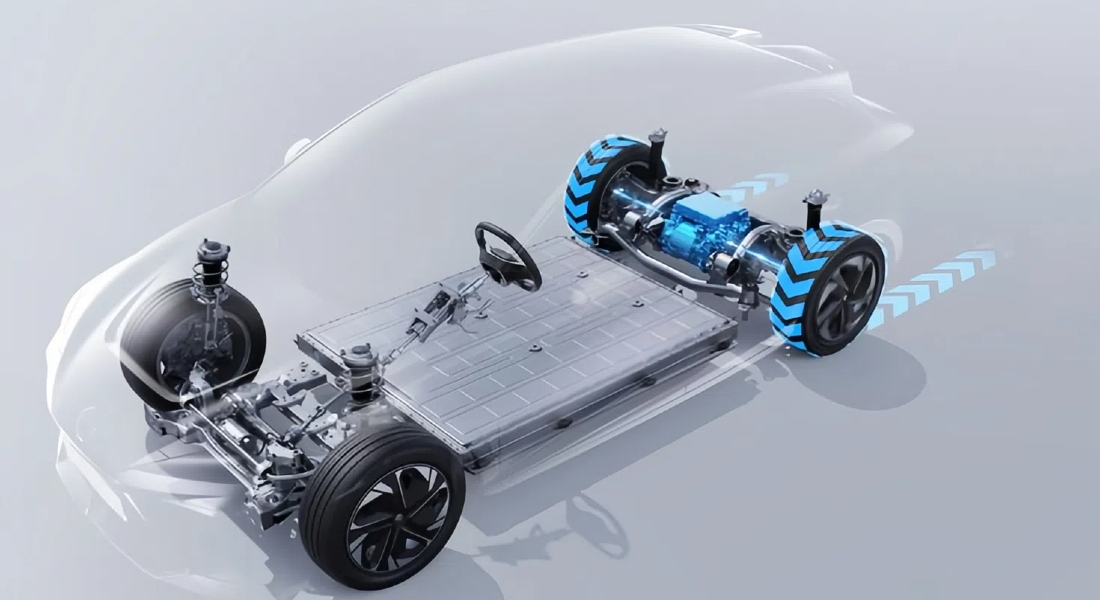
As electric vehicle (EV) adoption accelerates, the competition between battery swapping and fast charging has become a key topic in the EV ecosystem. Battery swapping offers rapid energy replenishment within minutes, while fast charging continues to evolve toward higher power and smarter management. Instead of a simple “either-or,” the industry is now moving toward a hybrid strategy—a layout that integrates both charging and swapping to meet diverse mobility demands.

🤔What Are the Core Advantages of a Mixed Layout?

A hybrid model allows cities and operators to balance speed, cost, and flexibility. In urban centers with high EV density, swap stations ensure rapid turnover for taxis and fleets. Meanwhile, fast-charging stations—especially DC chargers and solar-storage-integrated systems—serve private users and long-distance drivers. This approach optimizes energy use, reduces grid pressure, and enhances user accessibility.

🧾How Does FES Power Support the Mixed-Energy Transition?

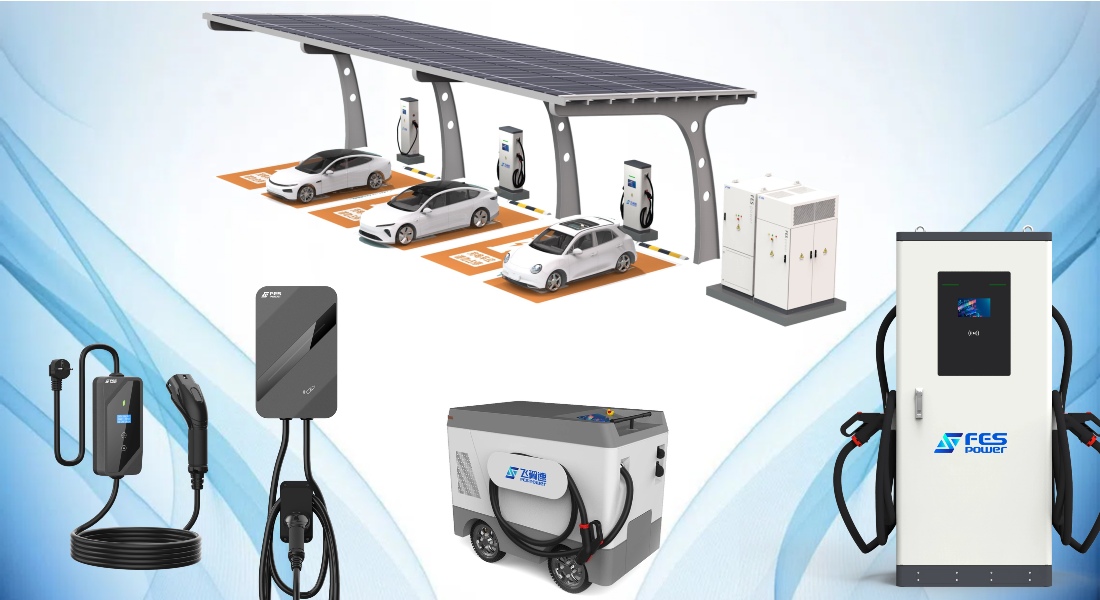
FES Power offers a full spectrum of charging solutions that perfectly fit the hybrid deployment model.

⭐️Portable chargers (3.5–7 kW) provide flexibility for personal and emergency use.

⭐️Wall-mounted AC chargers (7–22 kW) enable convenient home or workplace charging.

⭐️DC fast chargers (120–160 kW) ensure quick energy replenishment for commercial use.

⭐️Solar-storage superchargers (150–480 kW) integrate renewable power for sustainable operations.

⭐️Mobile power units (46–60 kW) deliver on-demand backup energy for swap or event sites.

Together, these solutions empower operators to design customized, efficient energy networks that combine both charging and swapping advantages.

⁉️Can Hybrid Layouts Ease Infrastructure Pressure?

Yes. A combined system reduces the strain on the grid by distributing energy loads. Swap stations can serve fleet vehicles during peak hours, while FES Power’s fast chargers can operate during off-peak times with intelligent scheduling. The integration of energy storage also allows renewable generation to play a larger role in charging networks, supporting stable power delivery and cost optimization.

🌍What Will the Future of EV Energy Networks Look Like?

In the next few years, we’ll see more co-located swap and charging hubs, especially near logistics centers, highways, and urban transportation corridors. The winners will be those who create flexible, scalable, and data-driven infrastructure ecosystems—exactly the direction FES Power is advancing toward.

By combining smart charging technology, modular design, and clean energy integration, FES Power is helping global partners build the next generation of hybrid EV infrastructure—where swapping and charging coexist, complement, and accelerate the journey to full electrification.Please click https://www.fescharging.com/ to learn more.

阅读全文......