Solar Energy Solutions Provider
Fast Charging

Swap or Charge? Finding the Smart Balance for the Future EV Infrastructure

❓Why Is the Industry Talking About “Swap vs. Charge”?

As electric vehicle (EV) adoption accelerates, the competition between battery swapping and fast charging has become a key topic in the EV ecosystem. Battery swapping offers rapid energy replenishment within minutes, while fast charging continues to evolve toward higher power and smarter management. Instead of a simple “either-or,” the industry is now moving toward a hybrid strategy—a layout that integrates both charging and swapping to meet diverse mobility demands.
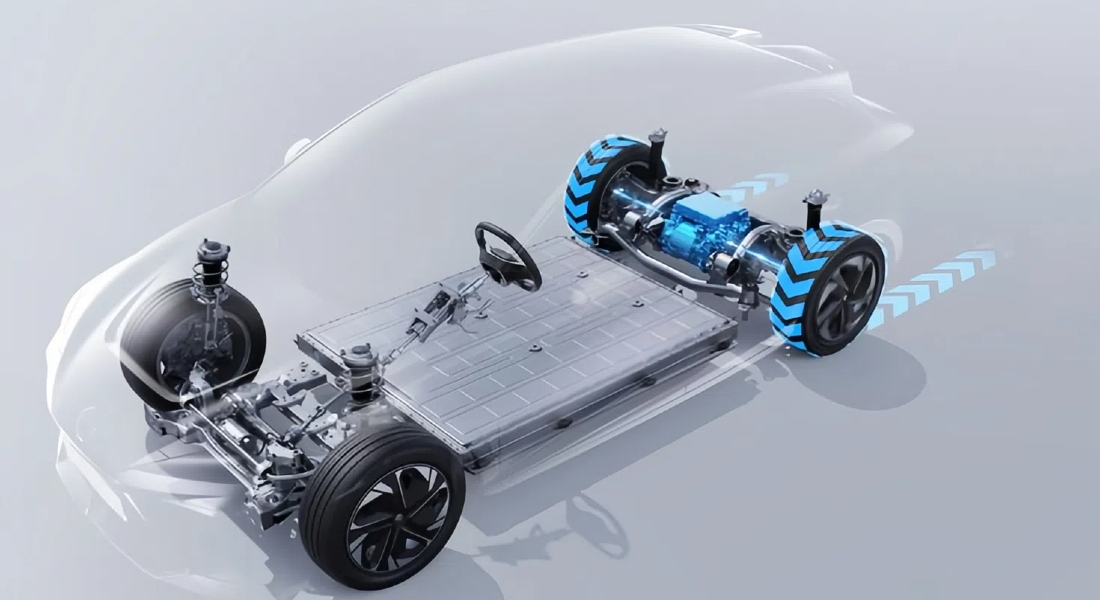
🤔What Are the Core Advantages of a Mixed Layout?

A hybrid model allows cities and operators to balance speed, cost, and flexibility. In urban centers with high EV density, swap stations ensure rapid turnover for taxis and fleets. Meanwhile, fast-charging stations—especially DC chargers and solar-storage-integrated systems—serve private users and long-distance drivers. This approach optimizes energy use, reduces grid pressure, and enhances user accessibility.

🧾How Does FES Power Support the Mixed-Energy Transition?

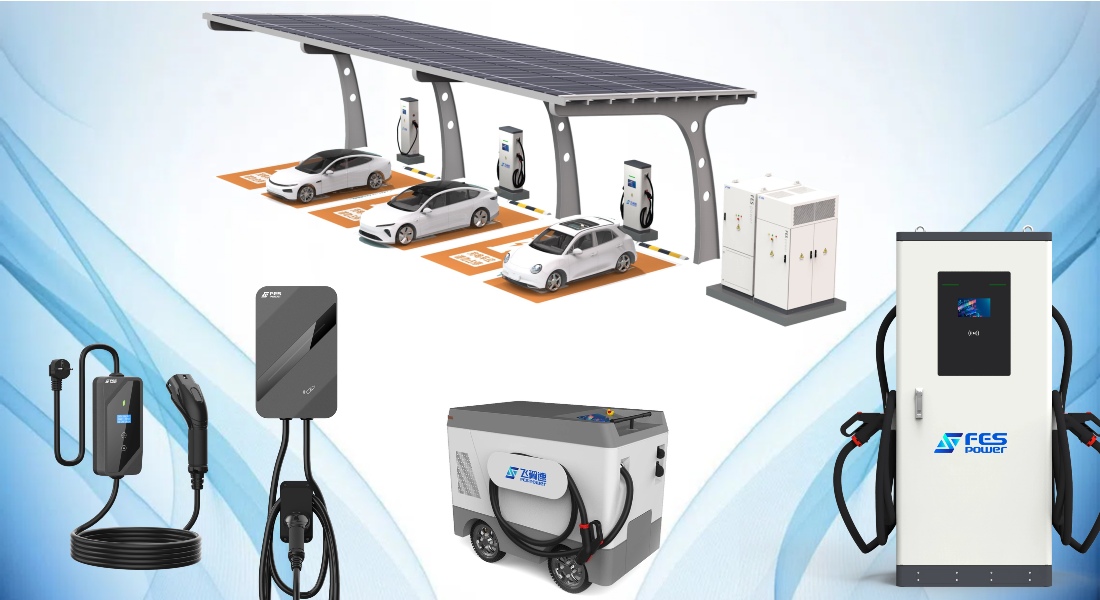
FES Power offers a full spectrum of charging solutions that perfectly fit the hybrid deployment model.

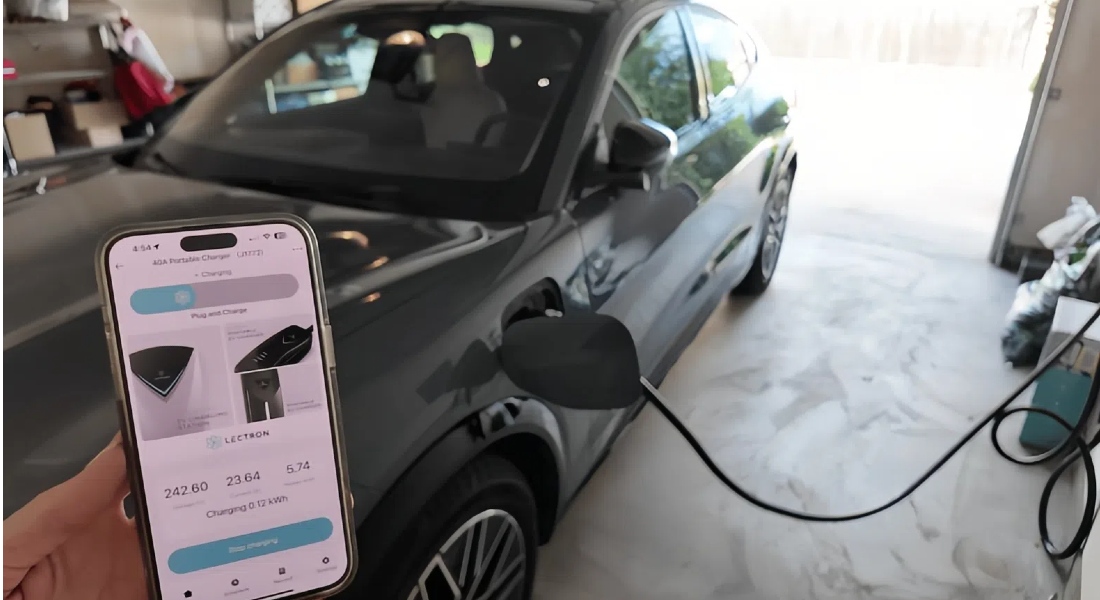
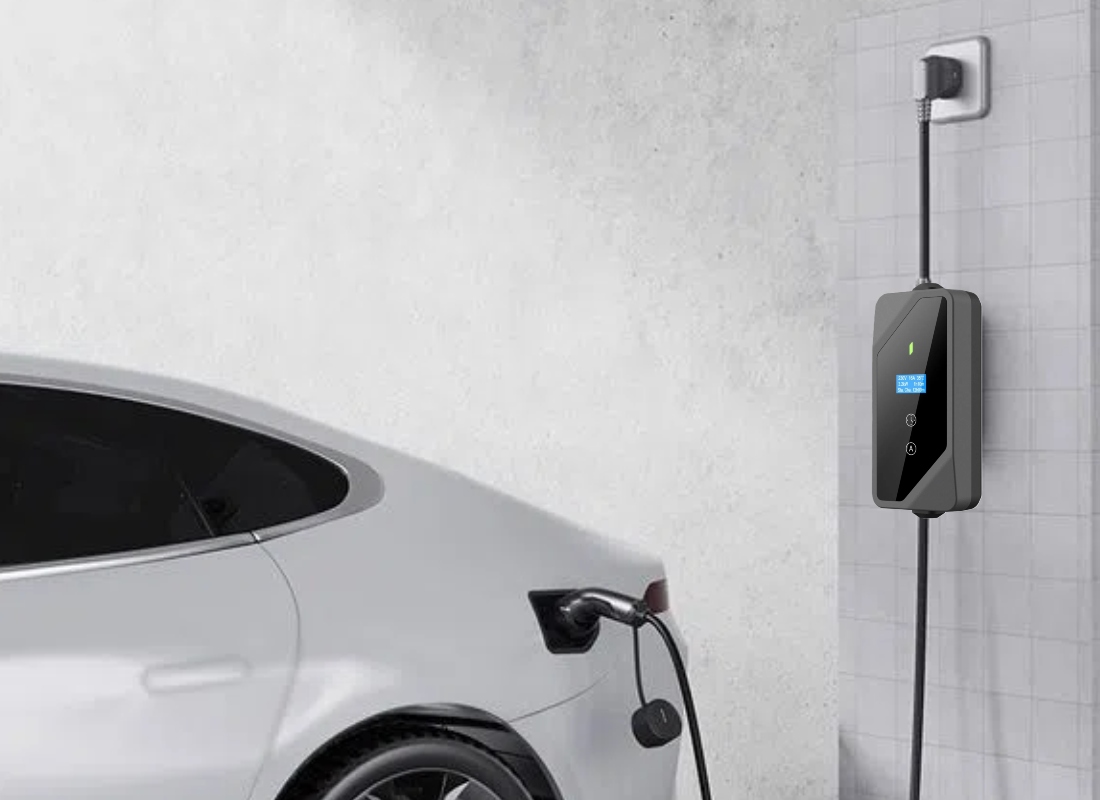
⭐️Portable chargers (3.5–7 kW) provide flexibility for personal and emergency use.

⭐️Wall-mounted AC chargers (7–22 kW) enable convenient home or workplace charging.

⭐️DC fast chargers (120–160 kW) ensure quick energy replenishment for commercial use.

⭐️Solar-storage superchargers (150–480 kW) integrate renewable power for sustainable operations.

⭐️Mobile power units (46–60 kW) deliver on-demand backup energy for swap or event sites.

Together, these solutions empower operators to design customized, efficient energy networks that combine both charging and swapping advantages.
⁉️Can Hybrid Layouts Ease Infrastructure Pressure?

Yes. A combined system reduces the strain on the grid by distributing energy loads. Swap stations can serve fleet vehicles during peak hours, while FES Power’s fast chargers can operate during off-peak times with intelligent scheduling. The integration of energy storage also allows renewable generation to play a larger role in charging networks, supporting stable power delivery and cost optimization.

🌍What Will the Future of EV Energy Networks Look Like?

In the next few years, we’ll see more co-located swap and charging hubs, especially near logistics centers, highways, and urban transportation corridors. The winners will be those who create flexible, scalable, and data-driven infrastructure ecosystems—exactly the direction FES Power is advancing toward.
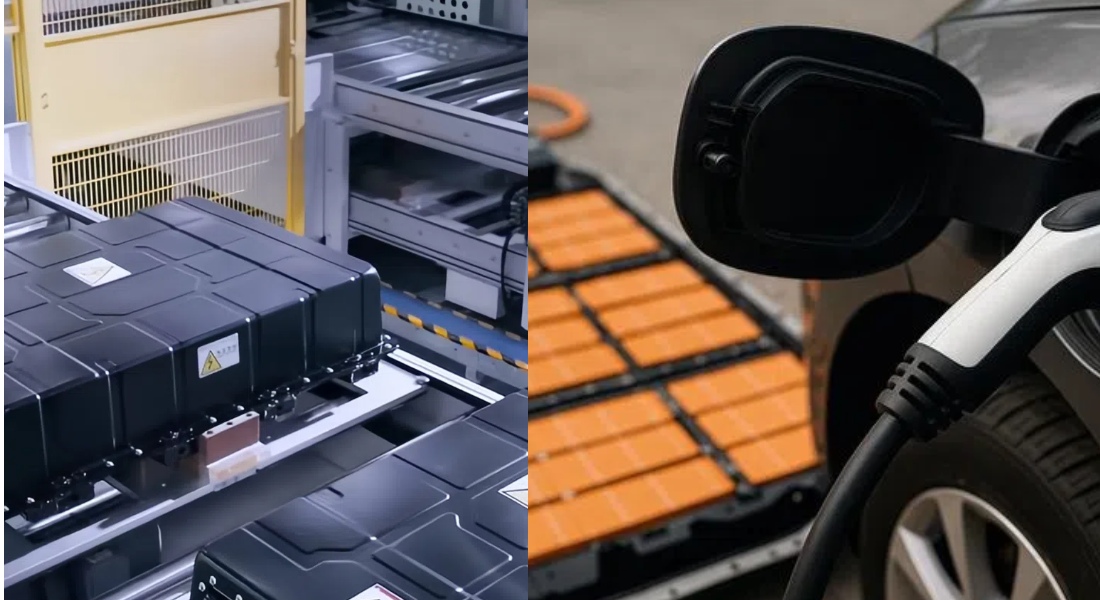
By combining smart charging technology, modular design, and clean energy integration, FES Power is helping global partners build the next generation of hybrid EV infrastructure—where swapping and charging coexist, complement, and accelerate the journey to full electrification.Please click https://www.fescharging.com/ to learn more.
阅读全文......

The Reliability Crisis in EV Charging

As electric vehicles (EVs) surge in popularity, drivers expect charging to be as simple and seamless as refueling a gas car. Yet, recent studies reveal a worrying fact — nearly 30% of EV charging attempts end in failure. From unresponsive chargers to broken connectors and unstable networks, reliability has become the biggest pain point for the EV ecosystem.

🤔What’s Causing the Charging Failure Rate to Stay So High?

Despite rapid infrastructure expansion, system stability hasn’t kept pace. Common failure reasons include:

🔷Software communication errors between chargers and vehicles

🔷Hardware degradation due to poor maintenance or harsh weather

🔷Payment and network connection issues disrupting transactions

🔷Overloaded power circuits during peak usage

These failures not only frustrate users but also slow down the transition to electric mobility. When charging becomes unpredictable, consumer confidence suffers — and that’s a problem for everyone in the EV chain.

🧾How Can Portable Charging Devices Offer a Reliable Backup?

In response to the growing concern over unreliable public chargers, portable charging solutions are emerging as a flexible and dependable alternative.

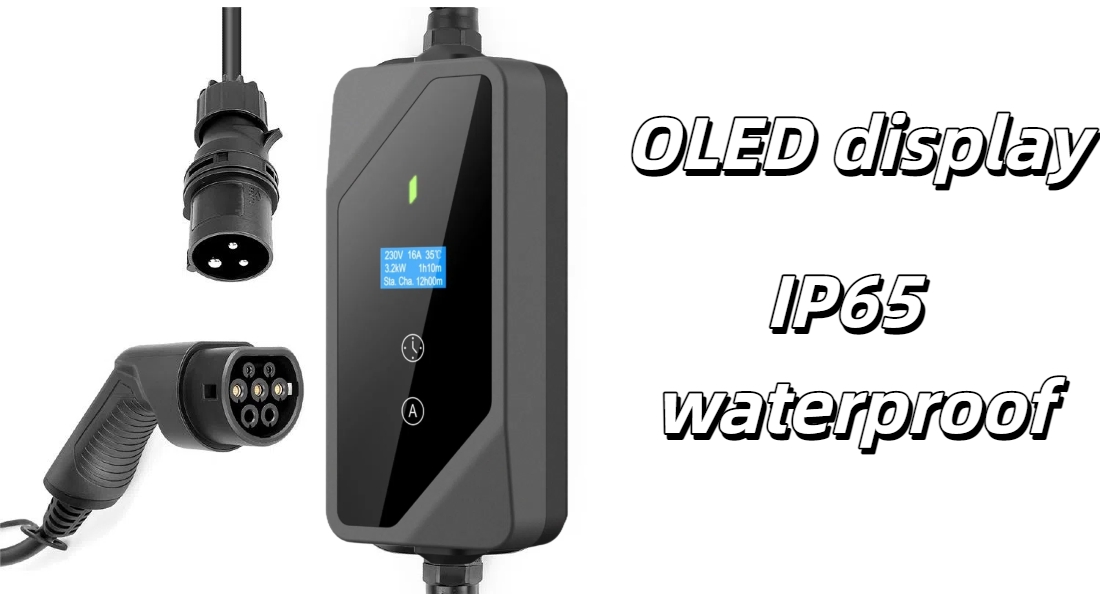
FES Power’s Portable EV Charger Series (EP01 / EP02) provides drivers with a safe, mobile, and convenient charging option — ensuring that “charging anxiety” never stands in the way of your journey.

⁉️What Makes the FES Power Portable EV Charger Different?

⭐️Reliable Safety Protection:

Type A 30mA + 6mA DC leakage protection, with multiple hardware and software safeguards against overcurrent, overheating, short circuits, and surges.

⭐️Flexible and Convenient Design:

Portable or wall-mounted installation, IP65 waterproof and IK08 impact-resistant, suitable for home, office, or outdoor use.

⭐️Smart Charging Features:

Adjustable charging current and scheduled charging based on off-peak electricity prices — making every charge both smarter and cheaper.

⭐️High Compatibility:

Supports Type 2 (EU) connectors, compatible with most EVs.

⭐️Power Options:

EP01/EP02-S16: 3.5kW / 16A

EP01/EP02-S32: 7kW / 32A

Standard 5-meter cable (customizable).

Compact yet powerful, the EP02 model even includes a 3.5-inch OLED display for real-time charging data and status monitoring.

🔬Are Portable Chargers the Future of Reliable EV Charging?

While large-scale public infrastructure remains vital, the future of EV charging will likely blend fixed and mobile solutions. Portable chargers like FES Power’s EP series offer users peace of mind, flexibility, and independence — ensuring energy is always within reach, even when public chargers fail.

As the industry strives to fix network reliability, portable chargers represent a bridge toward true charging freedom — anytime, anywhere.

👉 Learn more about FES Power’s Portable EV Charger solutions:

🌐 www.fescharging.com

阅读全文......