Solar Energy Solutions Provider
Low Voltage Switchgear

What is the difference Between Low Voltage and High Voltage Switchgear---Gaobo Power Solution

In the vast and complex world of electrical power distribution, from the local substation to the breaker panel in a building's basement, switchgear plays a critical role. It is the combination of electrical disconnect switches, fuses, and circuit breakers used to control, protect, and isolate electrical equipment. Think of it as the command and safety center for an electrical network. While all switchgear serves this fundamental purpose, the distinction between Low Voltage (LV) and High Voltage (HV) switchgear is profound, impacting their design, application, and safety protocols.


Gaobo Power solution is a pofessional Low Voltage and High Voltage Switchgear Manufacturer in Guangzhou China.
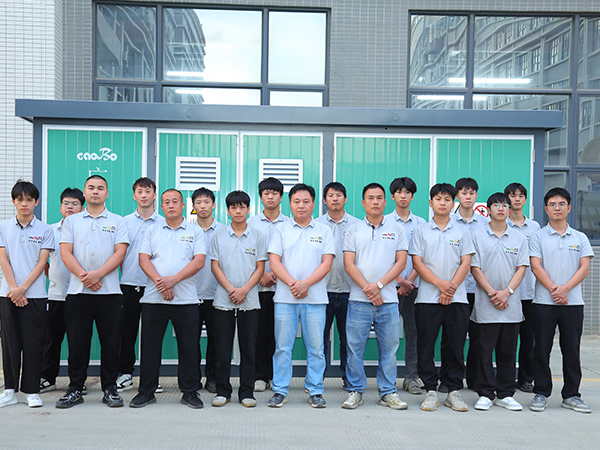
Gaobo LV and HV Switchgear Manufacturer


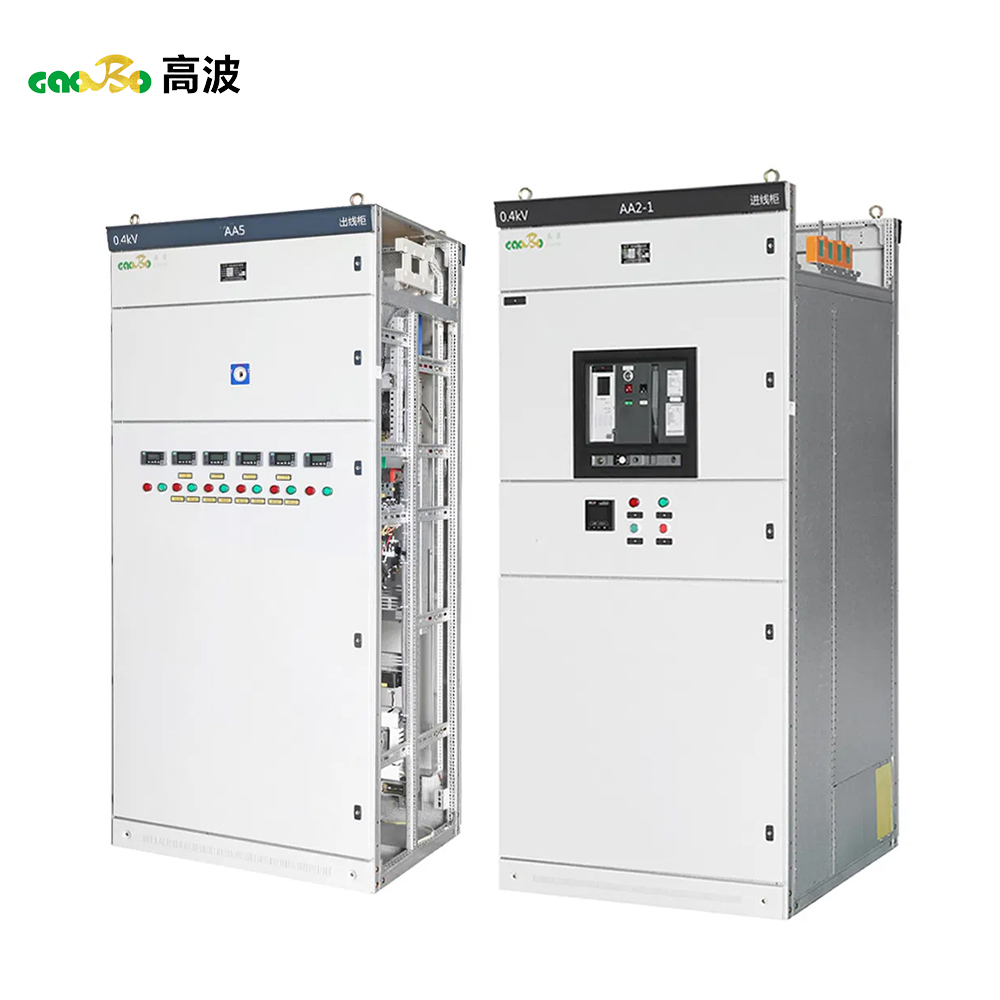
What is Low Voltage Switchgear?

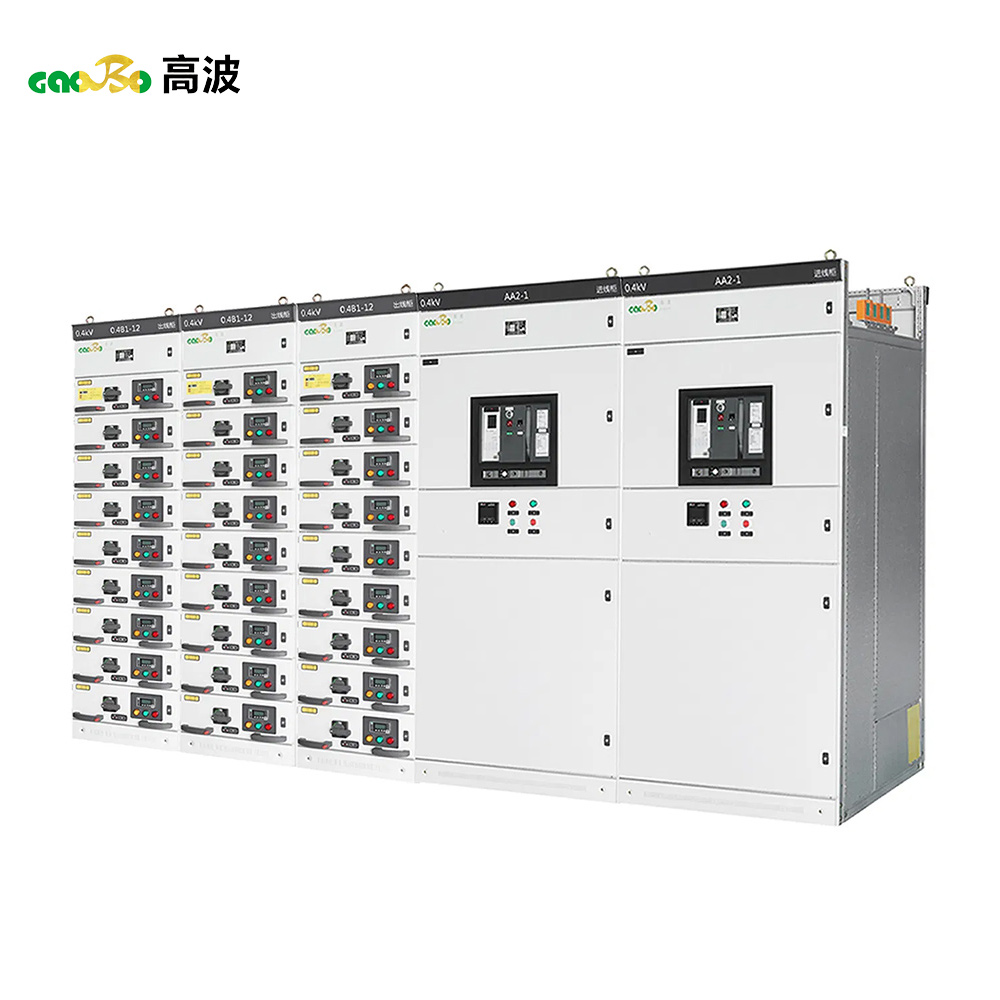
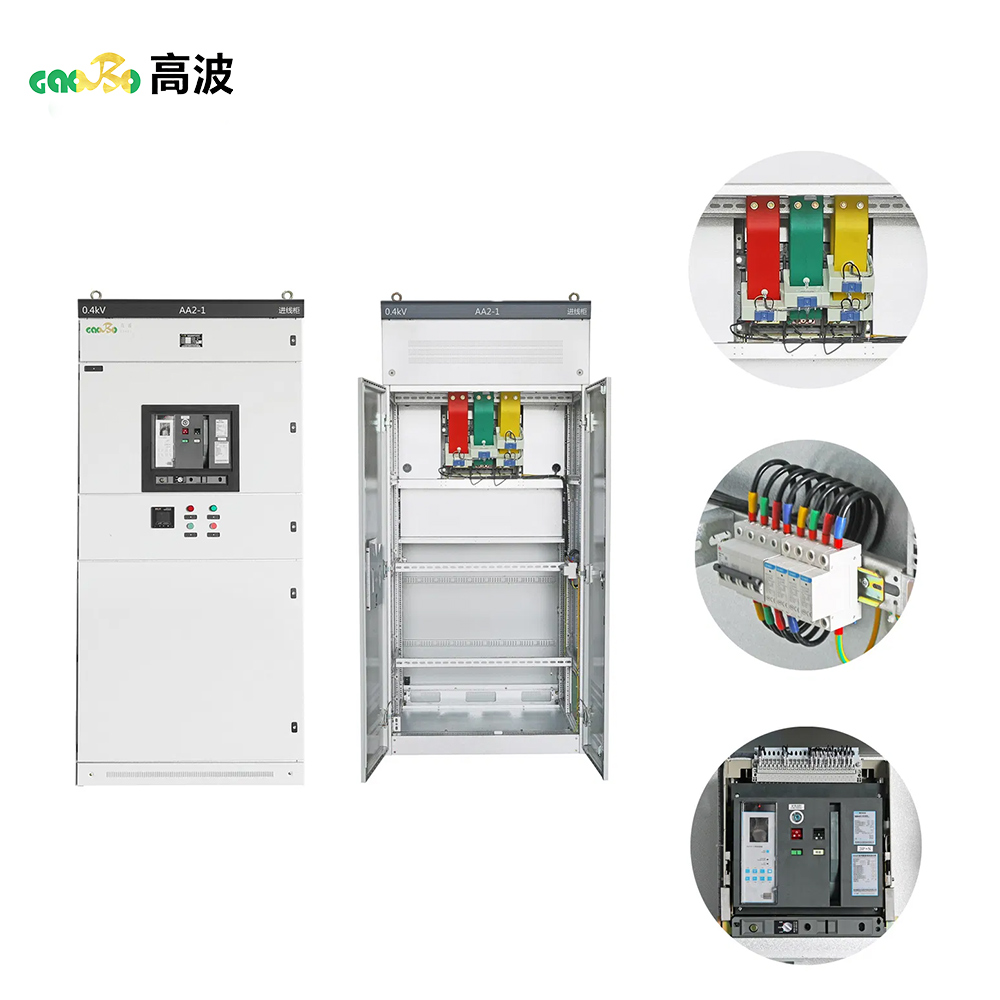
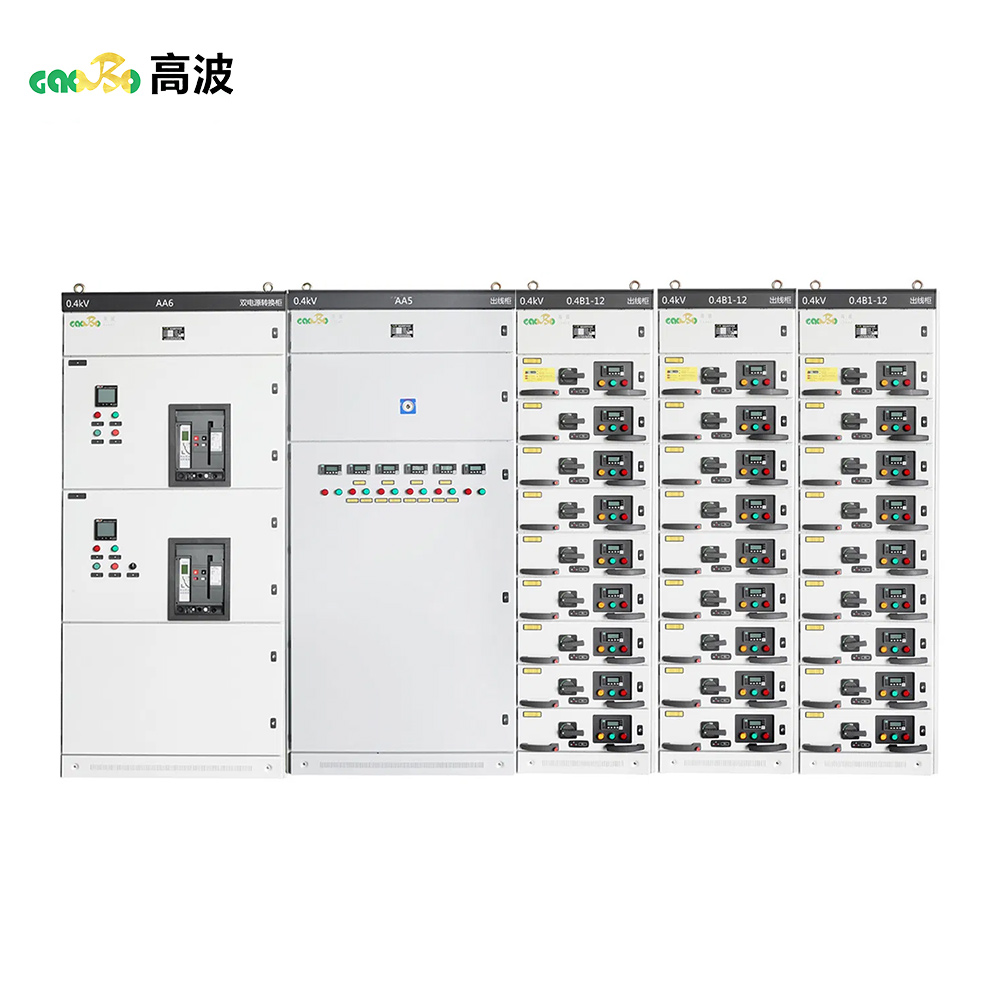
Low Voltage Switchgear is designed to handle electrical systems where the voltage does not exceed 1,000 volts AC (or 1,500 volts DC). This is the equipment you would find in everyday commercial, industrial, and residential settings. Its primary role is to manage and protect the power distribution downstream, feeding electricity to loads like lighting, motors, and office equipment.

Common components within an LV switchgear assembly include:

Molded Case Circuit Breakers (MCCBs) and Air Circuit Breakers (ACBs): These are the workhorses for interrupting fault currents and overloads.

Contactors: Used for remotely switching loads on and off, often for motor control.

Protective Relays: Monitor electrical parameters and trigger breakers in case of abnormalities.

Measurement Devices: Voltmeters, ammeters, and energy meters for monitoring system health.

LV switchgear is characterized by its compact, metal-clad design, often arranged in a lineup of cubicles. Safety for personnel is maintained through insulation and enclosed housing, but the primary focus is on operational reliability and protecting connected equipment from damage.

 

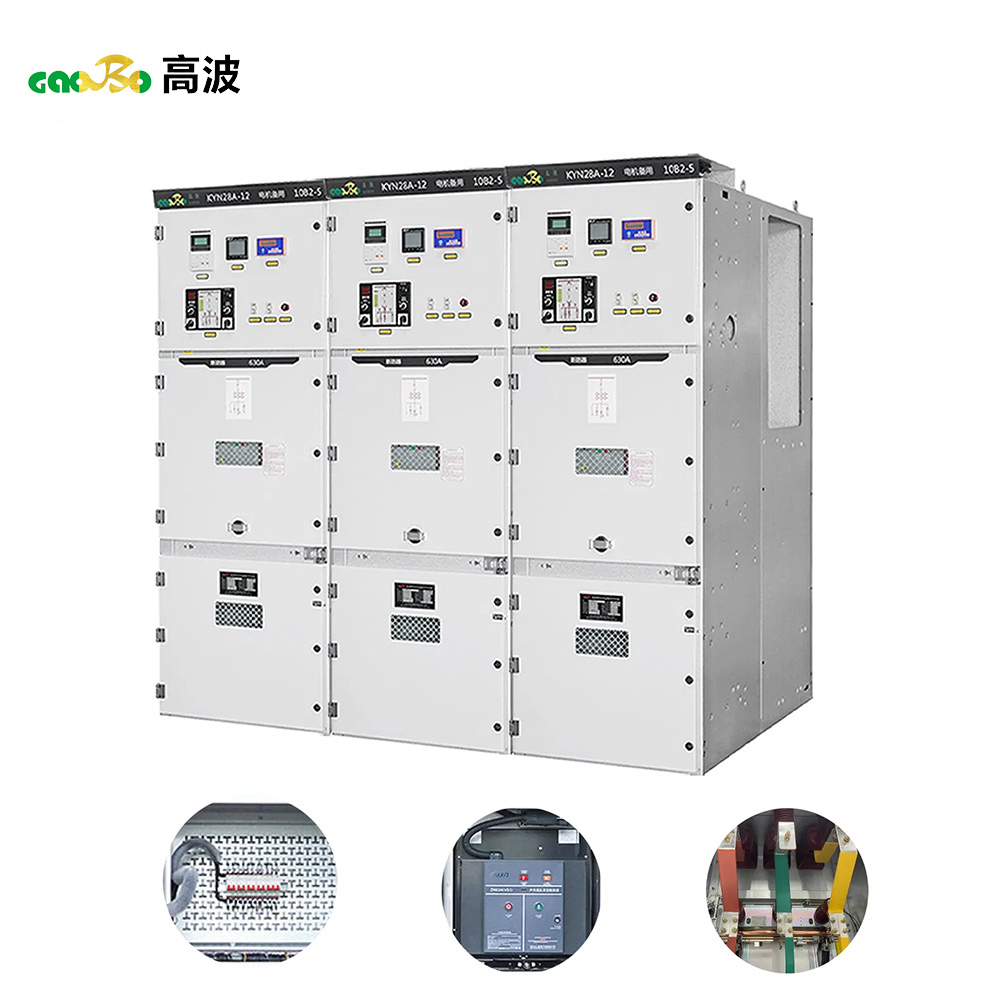
What is High Voltage Switchgear?

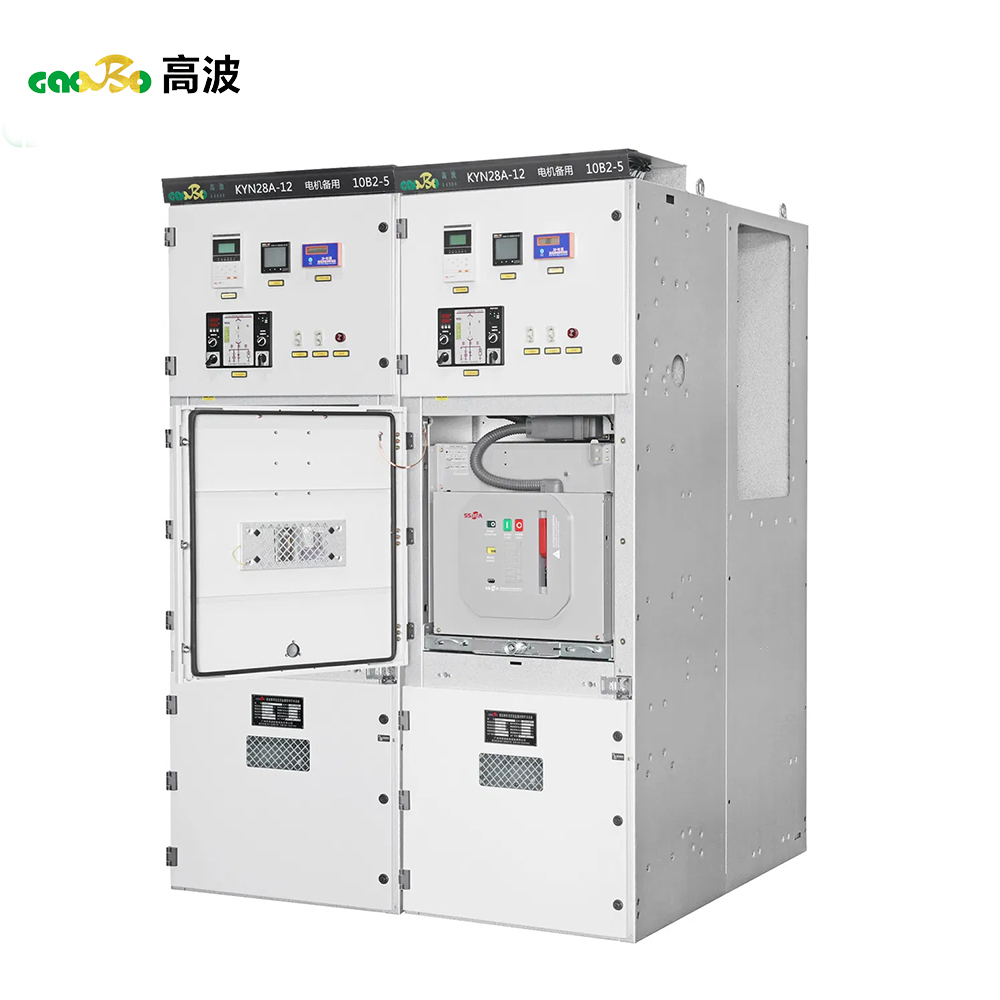
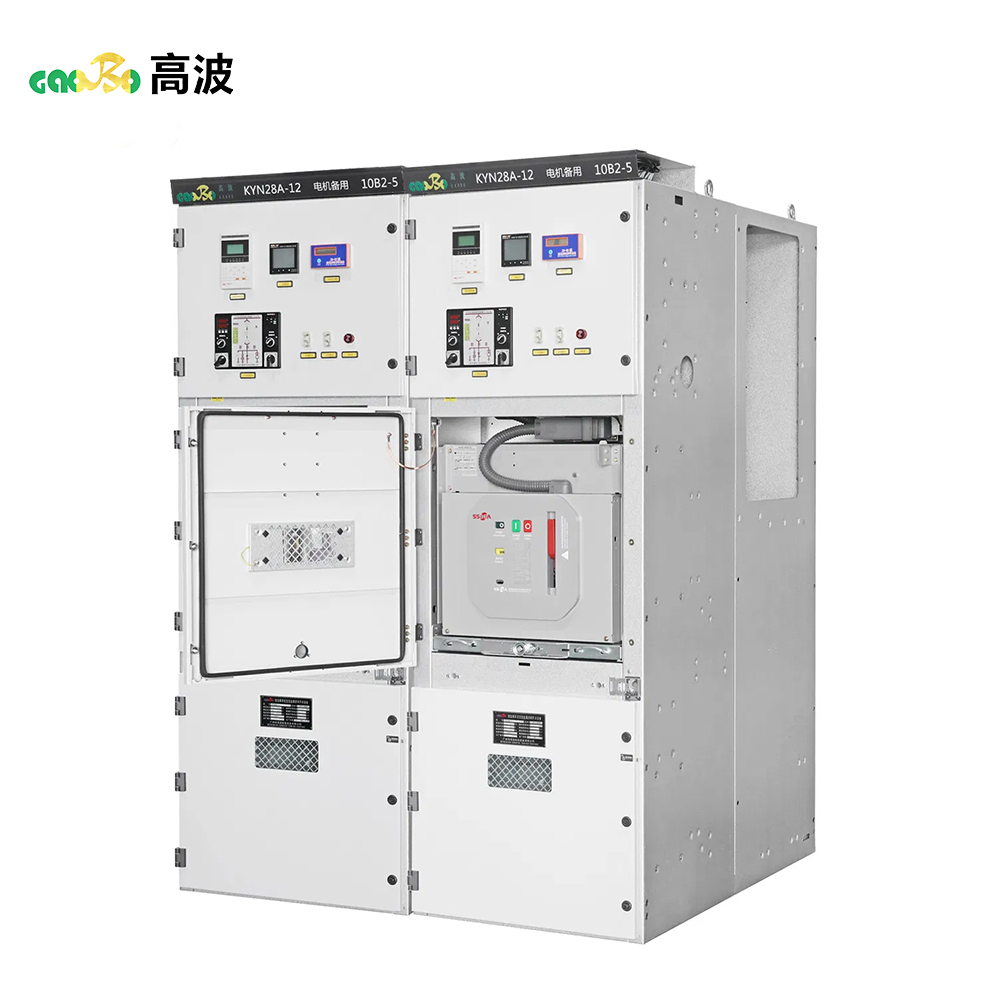
High Voltage Switchgear is built for the transmission and distribution part of the grid, typically dealing with voltages from 36kV up to 765kV and beyond. Its role is to control and protect high-power circuits and large segments of the electrical network, such as transmission lines, power transformers, and entire substations.

Due to the immense energy involved, the design and components of HV switchgear are significantly more robust and complex. Key components include:

Vacuum or SF6 Circuit Breakers: At high voltages, air alone cannot safely extinguish the electrical arc created when a circuit is interrupted. These breakers use a vacuum or sulfur hexafluoride (SF6) gas to quench the arc effectively.

Disconnect Switches (Isolators): These provide a visible air gap to isolate equipment for maintenance, ensuring a section is completely de-energized.

Current Transformers (CTs) & Voltage Transformers (VTs): These scale down the high current and voltage to measurable values for protection relays and meters.

Advanced Protective Relays: These are highly sophisticated devices designed to clear faults in milliseconds to maintain the stability of the entire power grid.
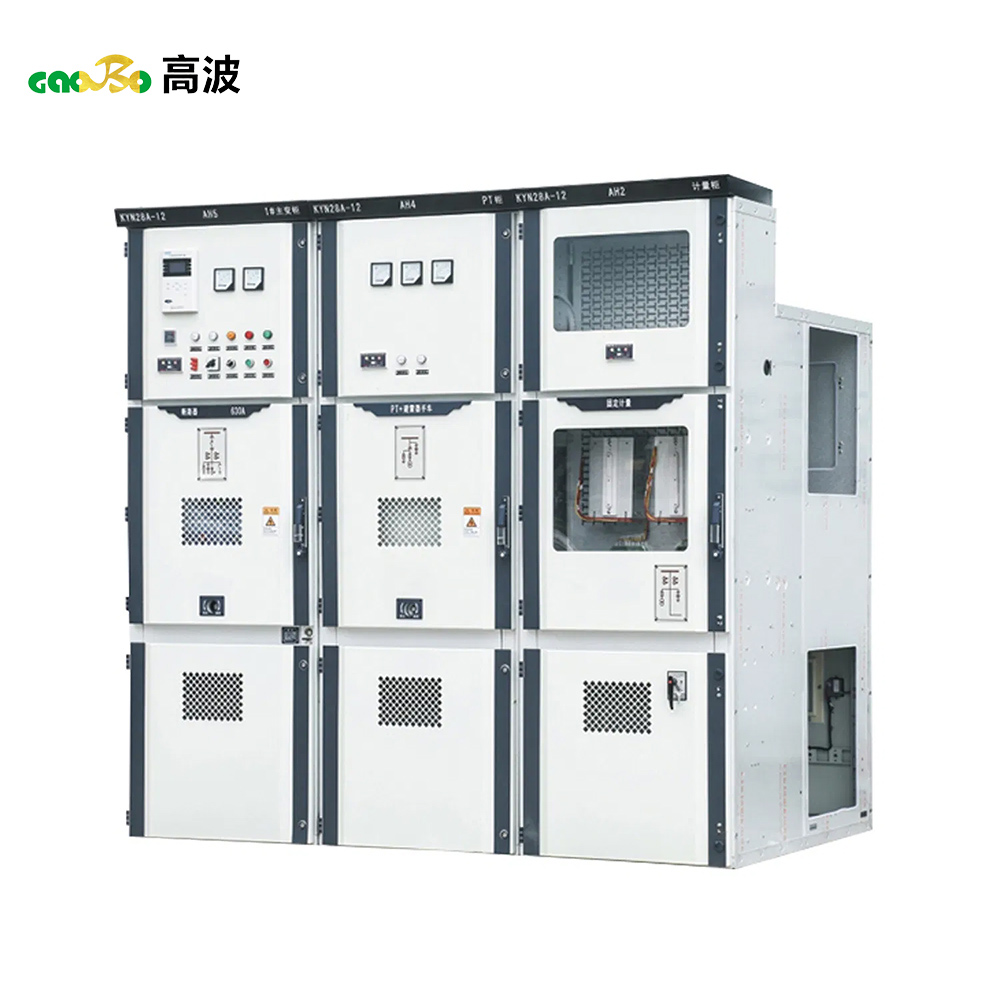
 

What is the difference Between Low Voltage and High Voltage Switchgear?

The core differences between LV and HV switchgear stem from the voltage levels they control.

Voltage Level: This is the most fundamental distinction. LV operates at ≤ 1,000V, while HV typically starts at 36kV.

Application and Location: LV switchgear is found at the end of the distribution line—in data centers, factories, and large buildings. HV switchgear is located in transmission substations and large power generation plants.

Design and Construction: The intense electrical stress in HV systems necessitates larger physical clearances between components to prevent arcing. HV equipment is therefore much larger and often housed in dedicated, controlled substations. LV gear is far more compact.

Arc Quenching Medium: LV breakers typically use air as their arc quenching medium. HV breakers require advanced mediums like vacuum or SF6 gas to extinguish the powerful arc safely and rapidly.

Safety Emphasis: Working on HV equipment carries extreme risk. Safety protocols are rigorous, requiring strict adherence to "lock-out/tag-out" procedures, grounding straps, and specialized personal protective equipment (PPE). The consequences of an arc-flash incident in HV systems are catastrophic.


While both Low Voltage and High Voltage Switchgear are indispensable for a safe and reliable electrical supply, they operate in fundamentally different realms. Low Voltage switchgear is the final distributor, safely delivering power for daily use. High Voltage switchgear is the backbone of the grid, managing the immense power that travels across vast distances. Understanding their distinct roles, designs, and the critical safety measures they entail is essential for anyone involved in electrical power systems.
阅读全文......

A Comprehensive Guide to Low-Voltage Switchgear-Gaobo Power Solution

I. What is Low-Voltage Switchgear?

Low-Voltage Switchgear, also commonly known as a Low-Voltage Distribution Board or Panelboard, is a complete set of electrical equipment used in power systems with AC voltages below 1000V and DC voltages below 1500V. Its primary functions are power distribution, control, metering, protection, and monitoring.

Think of it as a "Traffic Hub" or "Distribution Center" for electrical power:

Input: It receives electrical power from the upstream source (e.g., a transformer).

Core Function: It distributes, controls, and protects the electrical power within its assembly.

Output: It safely and systematically delivers power through multiple circuits to various end-use equipment, such as workshop motors, office lighting, air conditioners, and water pumps.

Common Model Designations: You may have heard of MNS, GGD, GCK, GCS, Prisma, or Blokset. These are different types and brands of low-voltage switchgear, varying in structure, technical parameters, and application.

Guangzhou Gaobo Electromechanical Equipment Co., Ltd---Your Trusted Partner in Low Voltage Switchgear


II. Primary Roles and Functions

Power Distribution: Distributes the main incoming power to various branch circuits, supplying different areas and equipment.

Circuit Control: Enables the connection and disconnection of circuits using components like circuit breakers and contactors, allowing for manual, remote, and automatic control.

Protection: This is the most critical function. It automatically cuts off power in the event of faults such as overload, short-circuit, or earth leakage, protecting both personnel and equipment.

Metering and Monitoring: Incorporates energy meters, ammeters, voltmeters, etc., to measure power consumption and monitor grid parameters (e.g., voltage, current, power factor).

Isolation and Maintenance: Through disconnector switches or isolators, it provides a visible break in the circuit, ensuring safety during maintenance and servicing.


III. Main Components

A typical low-voltage switchgear assembly consists of the following parts:

Component Function & Description Common Device Examples
Enclosure The metal housing that supports and contains all components, providing a degree of protection (e.g., IP30, IP54). Frame, door, panels
Busbar System The "main highway" inside the panel, responsible for carrying and distributing power. Typically made of copper or aluminum bars. Main horizontal busbar, vertical riser busbar
Functional Units Modular sections that perform specific control and protection functions. - Incoming Unit (Main): Total power supply input.
- Feeder Units: Distribute power to branch circuits.
- Capacitor Bank (Power Factor Correction): Improves power factor, saves energy.
- Tie Coupler: Connects two power sources for backup.
Electrical Components The core devices that perform electrical operations. - Circuit Breaker: Main switching and protection device (e.g., Air Circuit Breaker - ACB, Molded Case Circuit Breaker - MCCB).
- Contactor: Frequently connects and disconnects circuits (e.g., for motor control).
- Thermal Overload Relay: Provides overload protection for motors.
- Fuse: Provides short-circuit protection.
- Disconnector / Isolator: Provides a visible isolation point.
- Current/Voltage Transformer: Steps down high current/voltage for measurement.
Instrumentation & Indication Used to display and monitor system status. Ammeter, Voltmeter, Power Factor Meter, Indicator Lamps, Push Buttons
Secondary & Control Circuits The wiring for control, measurement, signaling, and protection. Control relays, PLCs, Terminal Blocks, Control Wires


IV. Main Classifications

By Construction:

Fixed Type: All electrical components are permanently installed. Simple structure, lower cost, but maintenance is less convenient. Example: GGD.

Withdrawable / Draw-out Type: Functional units like circuit breakers are built into removable drawers. If a circuit fails, the drawer can be quickly replaced with a spare, ensuring high availability and ease of maintenance. Examples: MNS, Blokset, Prisma. This is the modern and recommended mainstream choice.

By Application:

Distribution Boards: For general power distribution.

Control Panels / Motor Control Centers (MCC): Specifically for controlling equipment like motors.

Capacitor Banks: For reactive power compensation.

Soft Starter / VFD Panels: Contain soft starters or Variable Frequency Drives for smooth motor starting and speed control.


V. Application Fields

Low-voltage switchgear is essential infrastructure found in:

Industrial: Factories, mines, manufacturing plants.

Commercial: Office buildings, shopping malls, hotels, hospitals, schools.

Infrastructure: Airports, railway stations, subways, stadiums, data centers.

Residential: Apartment complexes, high-rise building electrical rooms.

Renewable Energy: Power distribution after inverters in solar PV plants and wind farms.


VI. Key Considerations for Selection

When selecting low-voltage switchgear, consider the following factors:

Total Load Capacity & Calculation: Determine the total electrical load and current requirements.

Cable Entry/Exit: Top or bottom cable entry.

Type of Assembly: Choose between fixed or withdrawable based on budget and required reliability.

Component Brands: The brand and quality of core components (breakers, contactors) are critical.

Ingress Protection (IP) Rating: Select the appropriate IP code based on the installation environment (e.g., humidity, dust).

Future Expandability: Consider the need for adding circuits in the future.

Standards & Certification: Ensure the product complies with national or international standards (e.g., IEC, UL, GB) and holds necessary certifications (e.g., CE, CCC).


VII. Safety Operating Procedures

Safety is paramount! Operation and maintenance of low-voltage switchgear must be performed only by qualified and certified electricians.

Strictly implement a Permit-to-Work system.

Before working, always verify absence of voltage, discharge capacitors, and apply grounding and short-circuiting.

Display clear warning signs, such as "DO NOT SWITCH ON - MEN AT WORK".

Use proper insulated tools and Personal Protective Equipment (PPE).

Never operate a disconnector/isolator under load.

阅读全文......

Maintaining and Using Low Voltage Switchgear board Best Practices for Safety and Performance

Low Voltage Switchgear board (LVS) forms the core of industrial power distribution systems. To ensure seamless operations, safety, and longevity, consistent maintenance and proper usage are vital. Our expertise as a leading manufacturer equips us to provide top-tier maintenance services and usage guidelines.


1. Professional Maintenance Services

✔ Key Maintenance Checks

  • Thermal Imaging Scans
  • Circuit Breaker Testing
  • Insulation Resistance Test
  • Busbar & Connection Tightening

Recommended: Every 6 months for tough environments.

✔ Predictive Maintenance with Smart Monitoring

Upgrade to our SmartGuard IoT System for real-time insights.


2. Safety & Usage Guidelines

Environmental Conditions

  • Operating Temperature: -5°C to +40°C
  • Humidity: Max 95%
  • Altitude: Up to 2000m

⚠️ Avoid These Actions

❌ Don't bypass interlocks

❌ Avoid mixed metals

❌ No live work


3. Troubleshooting Common Issues

Symptom Possible Cause Solution
Overheating Dust buildup/Overload Clean vents, reduce load
Tripping Breaker Short circuit/Settings Check settings, test trip unit
Humming Noise Loose parts/Vibration Tighten bolts, inspect coils


4. Added Services for Reliability

  • Free Benefits
  • 3D Wiring Diagrams
  • Annual Energy Efficiency Report

Premium Upgrades

Silver-Plated Busbars

Seismic Reinforcement Kits


Ensuring Continuity with Expert Care


Proactive maintenance reduces failures by 60% and extends switchgear life by 30%+. We offer quick response, tailored schedules, and backup services.


Request a Quote? → Contact Us

阅读全文......

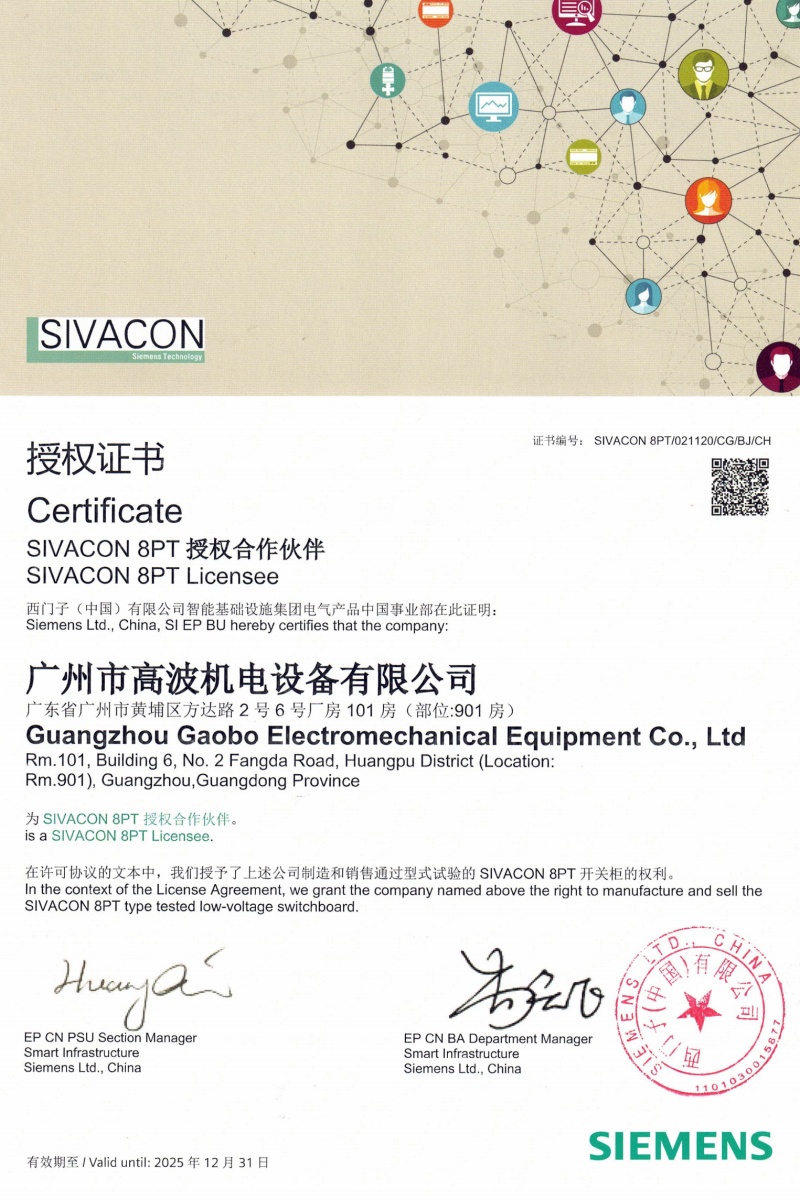
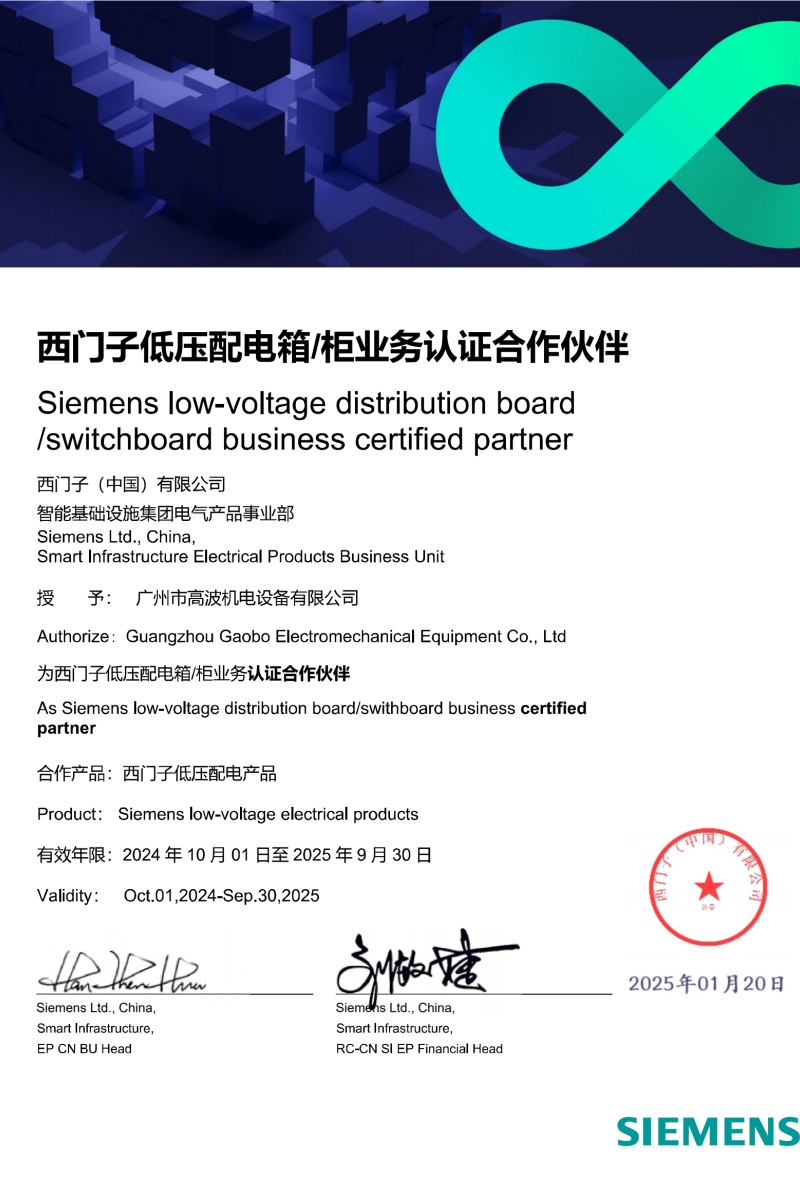
Siemens SIVACON 8PT Low-voltage Switchgear introduction from GaoBo manufacturing company

Introduction to Siemens SIVACON 8PT Low-Voltage Switchgear


The Siemens SIVACON 8PT** is a high-performance "low-voltage switchgear" system designed for "power distribution, motor control, and energy management in industrial and commercial applications. It offers modularity, safety, and reliability, making it suitable for a wide range of electrical installations.  


Key Features: 

- Modular design for flexible configurations (fixed or withdrawable units).  

- High short-circuit resistance (up to 100 kA).  

- Advanced protection & monitoring with integrated communication (e.g., PROFIBUS, Ethernet).  

- Compact and space-saving construction.  

- Compliance with IEC 61439 standards.  


Applications:

- Industrial plants(manufacturing, automation).  

- Commercial buildings (hospitals, data centers, offices).  

- Infrastructure projects (airports, railways, power stations).  

- Renewable energy systems(solar/wind farms).  


The SIVACON 8PT ensures efficient, safe, and future-proof power distribution, supporting smart grid and Industry 4.0 requirements.  


Would you like more details on specific configurations or technical specs?

阅读全文......