Solar Energy Solutions Provider
aluminum ground mounting

Key Components of a Ground Mounting System Explained

So, ground mounted solar setups? They use a bunch of parts – structural, mechanical, and electrical – to hold up solar panels in fields. You see them a lot in big utility projects, business sites, and even homes that have enough land. They’re great if you want to arrange things how you like and get the most power.
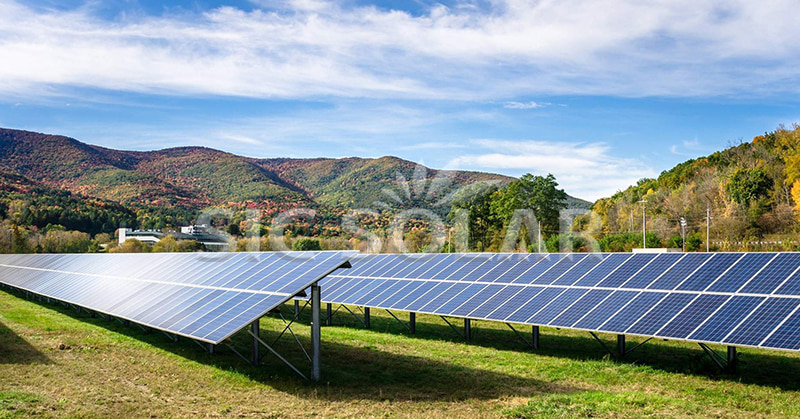
best solar ground mount system

The base is super important. It keeps everything steady and moves the weight from the solar panels down into the ground. You've got options like steel beams hammered in, ground screws, blocks of concrete, or weighted bases. What you pick depends on the dirt, how much wind and snow there is, and how big the project is. A good base will stand up to wind, won't sink, and will deal with the ground moving over time.

Then you’ve got posts or columns on the bases holding up the whole thing. These posts hold the beams and decide how high off the ground the system is. The height is picked carefully for airflow, to manage plants, and to make it easy to get in there and fix things. Usually, it's galvanized steel or aluminum because they’re strong and don’t rust outside.

Beams and rails are the horizontal part that the solar panels sit on. The beams link the posts, and the rails are where you bolt the panels. This setup needs to be lined up just right, so the panels are at the right angle. Companies like SIC Solar make these with standard rail shapes to make installing stuff easier and to that different-sized panels fit.

Panel clamps hold the solar panels onto the rails. Clamps on the ends and in the middle keep the panels tight but still let them expand when it gets hot. These little parts are really important because they have to handle shaking, wind, and changes in temperature for years.

Braces make the whole thing stronger. You often see diagonal braces or crossbars to handle wind better and stop anything from bending. If you’re in a place with crazy weather, you’ll want even more bracing to keep it all stable.

Grounding and wiring are built into the setup to keep things safe with electricity. Good grounding protects the equipment and the people working on it, and it helps the system stay within electrical standards. Cable clips and trays keep the wires neat and safe from damage and sunlight.

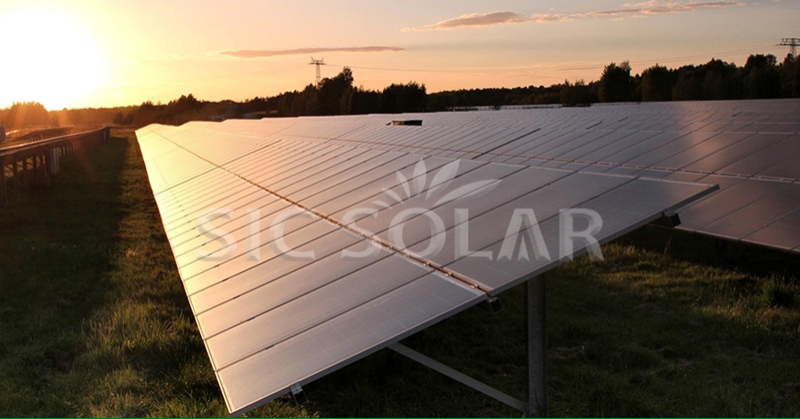
SIC Solar, they put all these parts together to make solid ground-mounted solar solutions that are strong, work well, and are easy to put up. Each part does its job, and together they make something that can support solar power for years, no matter where it is.
阅读全文......

Which Material Is Best for Solar Structure?

Picking the right stuff for your solar panel mount is super important. It affects how long your system lasts, how much it costs to put in, and how well it works down the road. These mounts have to deal with wind, rain, sun, heat, and sometimes nasty environments, so you've gotta pick something strong, not too heavy, rust-proof, and worth the money in the long run.

Steel is a go-to for solar mounts, mostly for big ground setups. Regular steel is strong and can hold a lot of weight, which is good if you've got strong winds or lots of snow. If you coat it with zinc, it resists rust and can last for years outside. That's why it's a good choice for huge solar farms where keeping things stable and cheap is a must.

carbon steel ground mounting solution

Aluminum is another good pick, especially for rooftops and smaller ground systems. The best thing about it is that it's light, so it's cheaper to move and easier to install. Aluminum also doesn't rust easily, which is great if you're near the coast or in a humid place. It usually costs more than steel, but you don't have to do much to keep it up, and it's easier to work with, so it's often worth it.

Stainless steel is usually used for smaller parts, not the whole mount. Things like screws, bolts, roof hooks, and grounding parts are often stainless steel because it doesn't rust and is reliable. If you're in a really harsh area, like by the ocean or near a factory, stainless steel parts can help your system last longer and be safer.

These days, mixing materials is becoming common. Lots of solar mounts use steel posts for strength and aluminum rails to keep the weight down and avoid rust. This way, you get the best of both worlds without spending too much. Companies like SIC Solar design their mounts with this in mind, so they can work for different projects and locations.

Where you live matters too. If it's windy, you need strong stuff. If you're by the coast, you need rust protection. If your roof can't hold much weight, go with aluminum. If the ground is uneven, steel foundations can handle more.

There's no single best material for every solar project. It all depends on how you're installing it, the weather, your budget, and how long you want it to last. If you know how steel, aluminum, and stainless steel hold up in real life, you can pick a mount that will keep your panels safe and sound for years to come.

阅读全文......