Solar Energy Solutions Provider
installing solar panels on a roof

How to Secure Solar Panels to a Roof?

Installing solar panels on a roof is one of the most effective ways to harness clean energy at home or for a business. However, beyond selecting the right panels, one of the most critical aspects of the installation process is ensuring that they are securely mounted. Proper mounting not only guarantees system performance but also protects the roof from damage and the panels from harsh weather conditions.
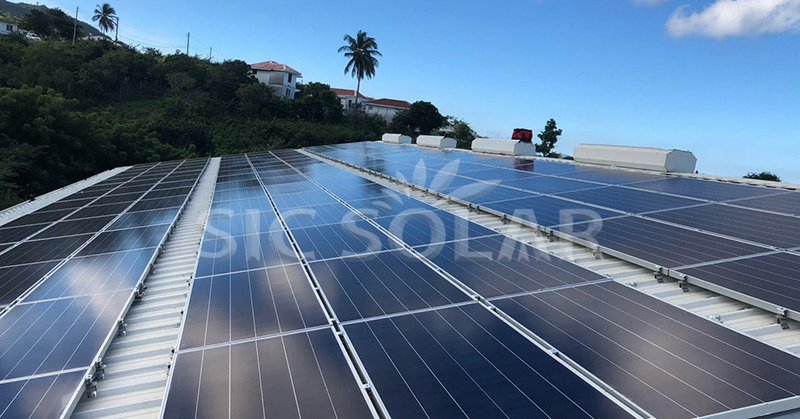
solar roof mounting

The first step in securing solar panels is choosing the right mounting structure. Rooftop systems usually require rails, clamps, and roof hooks or brackets that anchor the panels safely. These components must be compatible with the roofing material—whether it’s tile, metal, asphalt shingle, or slate. For example, tile roofs often use adjustable roof hooks that fit between tiles without breaking them, while standing seam metal roofs can use clamp systems that avoid drilling altogether.

Once the appropriate hardware is selected, the panels are attached to mounting rails that distribute weight evenly across the roof. This helps maintain structural integrity and prevents leaks. The rails are then fixed to roof hooks or brackets that are secured directly into the rafters or other strong structural points. Precision during this stage is essential, as misalignment can affect both the strength of the installation and the efficiency of the solar panels.

Another important factor is wind resistance. Panels must be able to withstand uplift forces during storms. This is achieved through robust fastening methods, weatherproofing sealants, and in some cases, ballast systems that weigh the panels down without penetration. Proper grounding of the system also ensures electrical safety and protects against lightning strikes.

For flat roofs, securing panels often involves ballasted mounting systems. These rely on weight rather than penetration, making them ideal for roofs where drilling could cause damage. Ballast blocks, usually made of concrete, are placed strategically to resist wind uplift while keeping the panels in place.

High-quality mounting systems are key to long-lasting solar performance. This is where companies like SIC Solar, a manufacturer and supplier of photovoltaic mounting brackets, play an important role. Their solutions are designed to fit different roof types and conditions, ensuring that solar panels remain secure, efficient, and safe for decades.

Ultimately, securing solar panels to a roof requires careful planning, the right hardware, and professional installation practices. With reliable mounting systems and proper attention to detail, solar panels can deliver clean energy while keeping both the system and the roof protected.
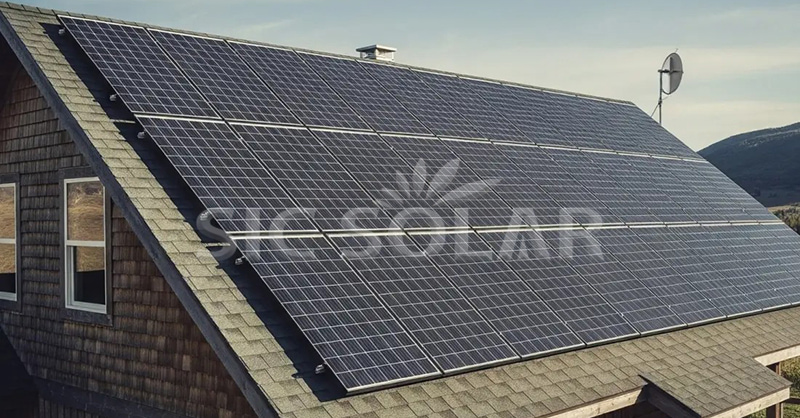
阅读全文......

How Are Solar Panels Mounted on a Roof?

Installing solar panels on a roof requires more than simply placing them on top of a building. A carefully designed mounting system is essential to ensure stability, efficiency, and long-term performance. The process varies depending on the type of roof, but the principles remain the same: secure the panels safely, allow for maximum sunlight exposure, and protect the structure beneath.

solar panels on roof tiles

The first step is selecting the appropriate mounting system. Rooftop installations typically use either rail-based or rail-less systems. Rail-based systems involve aluminum rails fixed to the roof, with panels attached using clamps. Rail-less systems reduce material use by attaching panels directly to roof hooks or brackets, often preferred for aesthetic reasons or lighter loads. Both methods need to be engineered to withstand wind uplift and weather conditions.

On pitched tile roofs, roof hooks are commonly used. These hooks are installed under the tiles and connected to rails, creating a secure base for panels. For metal roofs, standing seam clamps or trapezoidal brackets are often employed, fastening directly to the seams without penetrating the roofing material. Flat roofs require a different approach, using ballasted systems or angled frames to tilt panels toward the sun while minimizing roof penetrations.

Weather sealing is another important part of the process. Where penetrations are required, such as with shingle roofs, installers apply flashing and sealing materials to prevent leaks. This ensures the building remains protected while the panels operate above.

Once the mounting structure is installed, solar clamps secure the panels in place. These components hold modules tightly while leaving enough ventilation space beneath them. Proper airflow helps maintain efficiency and reduces overheating risks.

Companies such as SIC Solar, a manufacturer of photovoltaic mounting brackets, provide a range of solutions designed for different roof types. Their systems are built from corrosion-resistant materials like stainless steel and aluminum, ensuring long-lasting durability even in harsh weather conditions. By using professional-grade components, installers can guarantee both the safety of the roof and the stability of the solar array.

The final stage of mounting involves aligning the panels for optimal sunlight exposure and connecting them into the system. Every detail, from angle adjustment to cable management, contributes to the overall efficiency and reliability of the installation.

阅读全文......