Solar Energy Solutions Provider
metal roof walkway

What Size Are Solar Walkways?

Solar walkways are becoming a popular addition to solar panel installations, particularly on commercial and industrial rooftops. They provide safe and stable access for maintenance personnel without damaging the roof surface or disturbing the solar array. But when designing or installing these systems, one common question arises — what size are solar walkways?
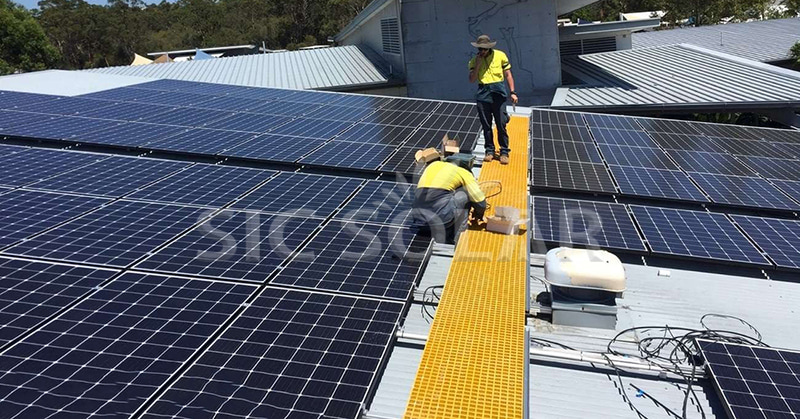
walkway solar roof

The size of a solar walkway can vary depending on the type of project, building design, and maintenance requirements. In most cases, solar walkways are between 600mm and 1000mm (about 24 to 40 inches) wide. This width provides enough space for one person to walk comfortably while carrying tools or equipment. For areas that require two-way access or where larger maintenance machinery is used, wider walkways may be installed.

The length of the walkway depends entirely on the layout of the solar array. Some rooftops only need short access paths between rows of panels, while others require continuous walkways that extend across the entire system. The goal is to create safe, direct routes to essential components such as inverters, junction boxes, and cable runs.

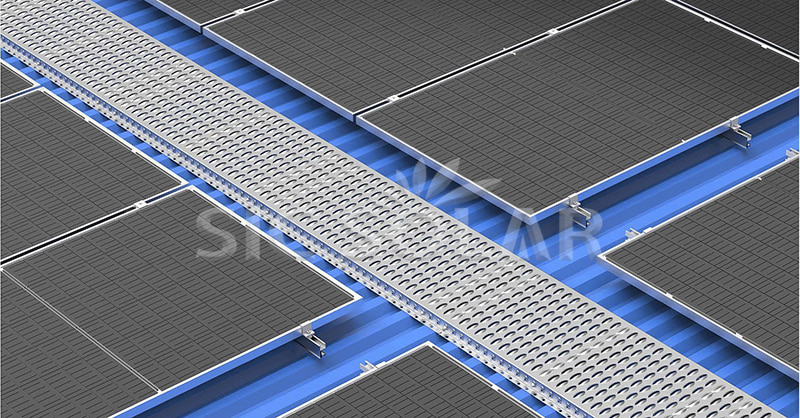
In terms of material and structure, solar walkways are often made from aluminum or glass-reinforced plastic (GRP), chosen for their durability, slip resistance, and lightweight properties. Aluminum walkways, in particular, are favored in the solar industry because they are corrosion-resistant and easy to install without adding significant load to the roof.

To ensure safety and stability, walkways are typically mounted above the roof surface using non-penetrating supports or clamps that work with existing solar mounting systems. Manufacturers like SIC Solar, a producer and supplier of photovoltaic mounting structures, design integrated walkway and racking solutions that can be adapted to different roof types and system configurations. This integration allows installers to maintain both safety and structural integrity without compromising the performance of the solar array.

The height of the walkway is usually kept minimal, just enough to provide clearance above roof irregularities or drainage channels. Most systems feature a modular design, meaning sections can be added, removed, or reconfigured as needed. This flexibility makes solar walkways suitable for both small residential rooftops and large-scale commercial installations.

Ultimately, the right walkway size depends on balancing accessibility, safety, and space efficiency. With proper design and quality components from experienced manufacturers like SIC Solar, solar walkways can be tailored to meet the specific requirements of any solar installation, ensuring maintenance teams can work efficiently and safely for years to come.
阅读全文......

What Makes a Solar Panel Walkable?

When solar panels are installed on rooftops, one of the practical concerns that arises is whether or not the panels can be walked on. While most panels are designed to withstand snow, wind, and other environmental stresses, they are not generally intended to bear the concentrated weight of a human step. However, the concept of “walkable” solar panels and the addition of walkway systems have become important considerations for safe and effective maintenance of solar PV systems.

A solar panel itself is constructed with tempered glass, aluminum framing, and encapsulated solar cells. This makes it durable enough to resist hail and harsh weather, but not necessarily the uneven pressure from walking. Placing body weight on a panel can cause microcracks in the cells, which may reduce efficiency over time. For this reason, most solar panels are not directly walkable, and installers and maintenance teams are usually advised to avoid stepping on them.

So, what actually makes a solar installation “walkable”? The answer lies in the use of dedicated rooftop walkway systems. These walkways are platforms or structured paths installed alongside or between solar panel arrays, giving technicians safe access for inspection and maintenance without putting stress on the panels themselves. Walkways distribute weight evenly and prevent accidental damage while ensuring compliance with safety standards.

roof walkway systems

The design of a walkable solar setup often includes anti-slip surfaces, corrosion-resistant materials, and compatibility with different roof types, whether flat, pitched, or metal. Properly installed walkways also protect the roofing membrane from punctures during routine access. In commercial and utility-scale installations, walkways are not just convenient but essential, as they minimize downtime and protect both panels and roof integrity.

Companies like SIC Solar, which manufactures and sells photovoltaic mounting brackets, also recognize the importance of integrating safe access into solar projects. By providing aluminum walkway systems and compatible mounting accessories, they help ensure that solar arrays remain accessible while maintaining structural reliability. Such systems are especially valuable for large installations where regular cleaning, monitoring, and occasional repairs are part of long-term maintenance.

In short, a solar panel itself is not walkable—but a solar installation can be made walkable with the proper design considerations. Walkway systems are the key to balancing accessibility, safety, and equipment protection, allowing solar power systems to operate efficiently while reducing risks of damage and unnecessary repair costs.

阅读全文......