Solar Energy Solutions Provider
pitched roof solar mounting

Pitched Roof vs. Flat Roof Solar Mounting What’s the Difference?

The type of roof you have really matters when you're putting in solar panels – it changes what kind of mounting system you need, how it's installed, and how well it all works over time. Slanted and flat roofs? They need different setups, each with its own pros and cons.

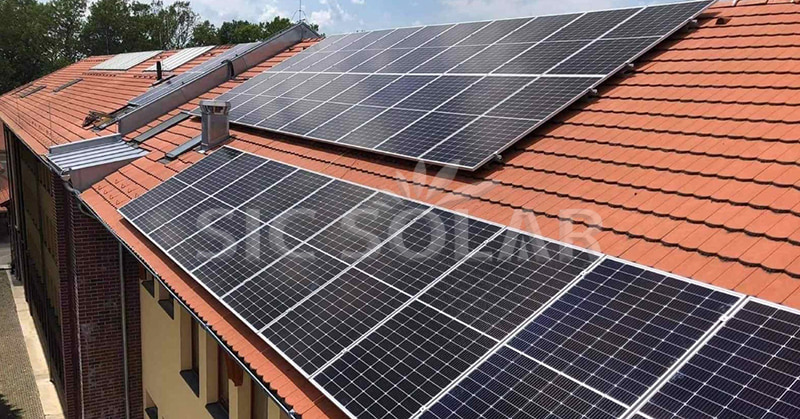
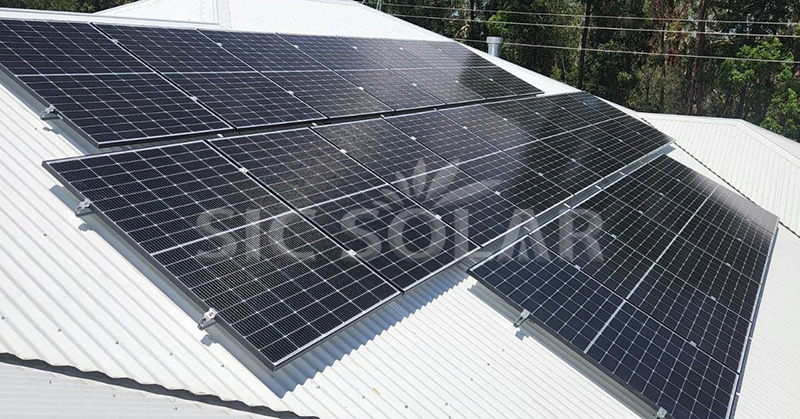
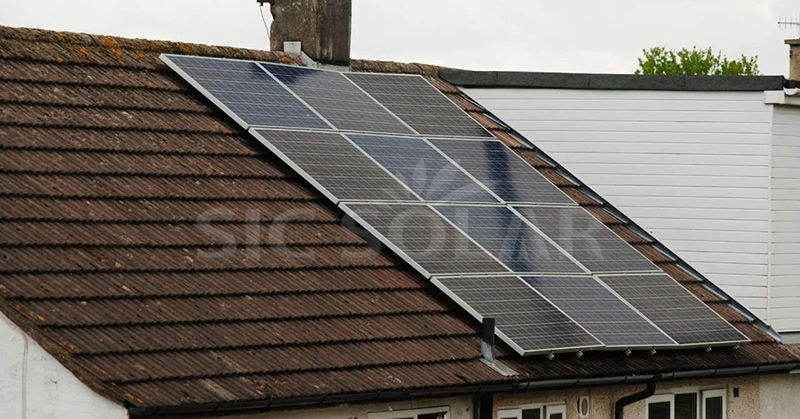
Slanted roofs are pretty common for houses and some businesses. They're already at an angle, which is great for catching sunlight. Mounting systems for these roofs usually use hooks, rails, and clamps that attach the panels right to the roof's frame. The roof's angle helps water and snow slide off and even helps clean the panels naturally. Setting things up is usually faster since you don't need a bunch of extra stuff to get the angle right. Companies like SIC Solar make different mounting parts made for tile, metal, and shingle roofs, which means they'll work with all kinds of roofs.
tile roof solar mounting brackets

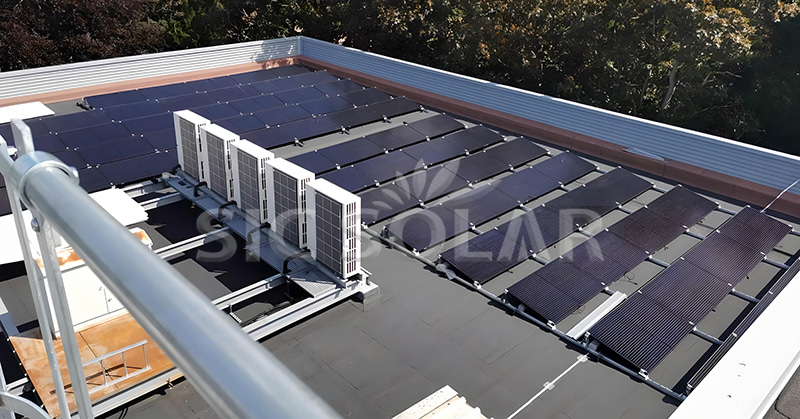
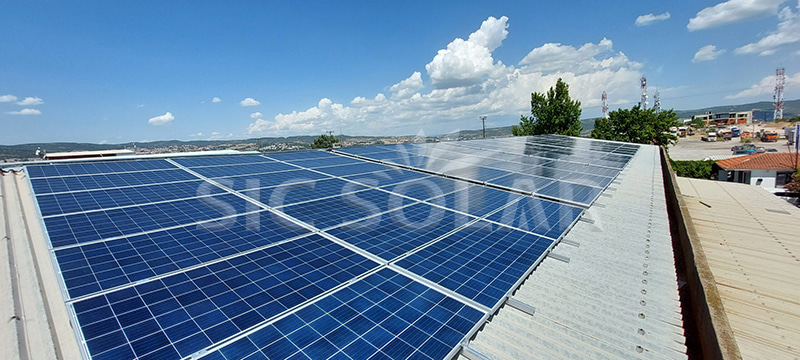
Flat roofs are more common on businesses and factories. Since they're flat, the mounting systems have to create the right angle for the panels. Usually, this is done with structures that are held down by weights or bolted to the roof. Weighted systems use concrete blocks to keep the panels in place without poking holes in the roof, which keeps it from leaking. Bolted systems attach the structure to the roof for better protection from the wind. Flat roof systems let you set up the panels however you want, so you can get the most energy and avoid shadows.
flat roof solar mounting system

Also, how heavy things are and how the wind affects them are different for each type of roof. Slanted roof systems put the weight right on the roof's beams, while flat roof systems need to balance the weight of the blocks, how much weight the roof can handle, and how strong the wind is. good planning is key so you don't overload the roof or mess with safety. Suppliers focus on shapes that handle wind well and calculations to keep everything stable.

Getting to the systems for upkeep is different too. Flat roof setups are usually easier to get to for cleaning and checks, since people can just walk around the panels. Slanted roof systems might need extra safety steps, but they're usually higher up, so they don't get as dusty.

Both types of systems can work nicely if they're set up right. The best pick depends on the building, weather, budget, and how much you expect to do upkeep, all of which affect how well the solar panels work.
阅读全文......

How Pitched Roof Solar Mounting Systems Work

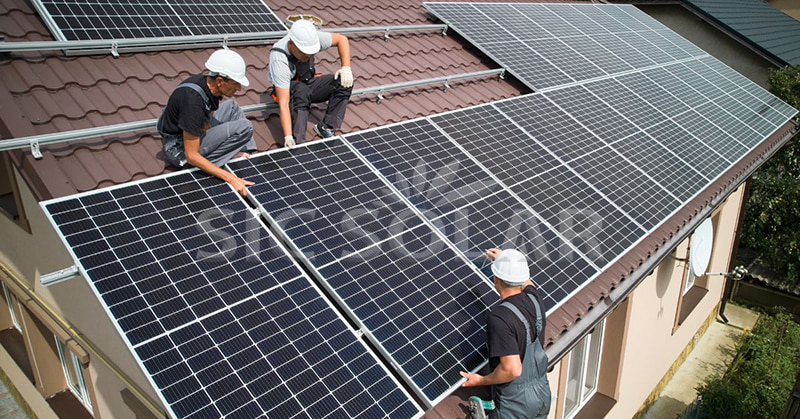
Pitched roof solar mounts? They're super common for homes and small businesses. Basically, they're made for roofs that aren't flat – like roofs with tiles, metal, or shingles. They let solar panels sit at an angle but stay safe from the weather.

solar panels on pitched roof

These mounts make a solid between the panels and the roof. They bolt into the strong parts of your roof, like rafters, not just the shingles. This makes sure they can handle wind, snow, and general wear and tear.

To put them in, you start with attachments on the roof. Depending on your roof type, you might use hooks for tiles, bolts for metal, or clamps for standing seam roofs. Install these at certain spots, figuring in panel size, local wind, and roof strength. And you seal around each spot to keep the roof from leaking.

After that, aluminum rails go on, either sideways or up and down. These hold the solar panels. Getting them straight is important, so the weight spreads evenly and the panels line up right. Good mounts can adjust a bit to deal with roofs that aren't perfectly even, which makes things easier.

Then, the solar panels get clamped onto the rails. These clamps hold the panels tight but still let them expand and contract when the temperature changes. Grounding is often built into the hardware to meet safety rules and keep the install simple.

A cool thing about pitched roofs is that their angle is often pretty good for getting the most sun, especially for houses. So you don't usually need extra stuff to tilt the panels. If the angle isn't quite right, the mounting system can still change the panel angle a bit without ruining the structure.

Companies such as SIC Solar makes these mounts to be tough and easy to install. They usually use stuff that won't rust, like aluminum and stainless steel, so they last a long time outside.

So, all in all, pitched roof solar mounts use strong anchors, straight rails, and secure clamps to turn your angled roof into a good spot to make solar power.

阅读全文......

What Pitch Roof Is Best for Solar?

The angle of your roof matters for how well your solar panels work. The slope changes how much sunlight hits the panels, how well rain washes off dirt, and how easy it is to set up and take care of the system. Panels can go on roofs with different angles, but some are better for making electricity.

pitched roof solar

Usually, the best roof angle for solar panels is between 15° and 40°. At these angles, the panels get a fair amount of sun all year, doing well in all seasons. A roof angle close to where you live often gives you the best yearly output, mainly for systems that don't move. If you live in the middle of the country, an angle of about 25° to 35° is often viewed as ideal.

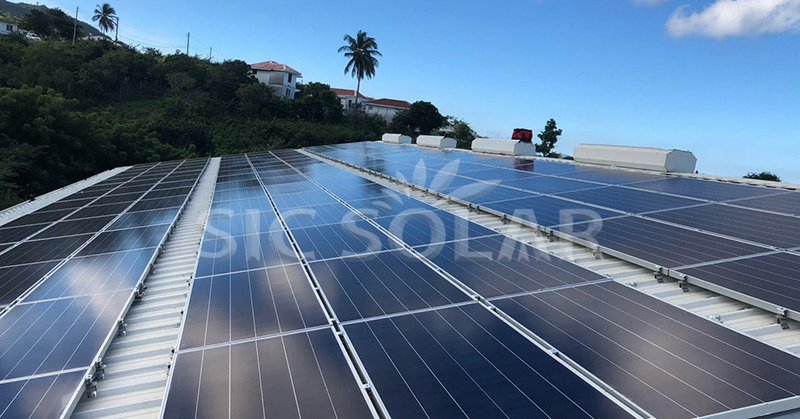
Roofs with a small slope, like below 10°, can still have solar panels, but you might need extra frames to raise the angle. Flat and almost-flat roofs are normal on stores and offices, where weighted or adjustable frames help point the panels better and let water drain easier. Companies like SIC Solar make mounting systems that can change the angle, helping to make the most of the panel angle even if the roof isn't perfect.

Roofs steeper than 40° have other issues. While they can grab a lot of sunlight in the winter, they might not do as well in the summer and can be tricky to install because of safety. You'll need special mounts and ways to keep them secure, especially if it's windy or snowy.

The weather also changes what roof angle is best. If you get a lot of snow, a steeper angle helps the snow slide off, so it doesn't block the sun or weigh down the roof. If it rains a lot, a good angle helps water run off and keeps the panels clean, so you don't have to clean them as much.

It's also good to think about the roof and how it's made. Tile, metal, and shingle roofs all need different ways to attach the panels. Good mounting systems make sure the panels stay put without ruining the roof. Suppliers such as SIC Solar create racking options that fit different roof angles and materials, making installs safer and easier.

Even though roof angle affects output, today's mounting gear lets solar systems work fine on pretty much any slope. With some planning, angle tweaking, and solid mounting stuff, solar panels can do a good job of making power on all sorts of roofs.

阅读全文......

What Roof Pitch Is Best for Solar?

When planning a rooftop solar installation, one of the most important factors to consider is the roof pitch, or the angle of the roof. The tilt of the panels directly affects how much sunlight they capture, influencing overall system performance. While solar can be installed on many types of roofs, certain pitches naturally offer better energy production and easier installation.

pitched roof installation

For most locations in the world, the ideal roof pitch for solar panels ranges from 25° to 35°. This angle typically aligns well with the sun’s path, allowing panels to produce steady, efficient power throughout the year. A roof within this range also reduces the need for additional mounting equipment, which keeps both installation time and costs down.

However, solar is not limited to this ideal range. Roofs with pitches between 15° and 40° can also support highly effective systems. Shallow roofs at the lower end may require specialized racking to increase the panel tilt slightly, especially in areas with less intense sunlight. Steep roofs, meanwhile, may capture great winter sun but require additional safety measures during installation.

This is where reliable mounting solutions play a crucial role. Companies like SIC Solar, known for producing and selling photovoltaic mounting systems, offer versatile brackets, rails, and roof hooks designed to adapt panels to different roof angles. With adjustable mounts, installers can fine-tune the tilt to achieve better solar exposure even on roofs that are not naturally optimal.

Flat roofs present a different situation altogether. Because they have little to no pitch, installers typically use tilted racking systems, often set between 10° and 15°. These low angles help balance energy production with wind resistance. Ballasted designs are especially popular on commercial buildings because they avoid roof penetrations and provide stable support.

Local climate is another key factor in determining the best pitch. In regions with heavy snowfall, steeper roofs (around 35° to 45°) help snow slide off more easily, preventing buildup that reduces power generation. In hotter climates closer to the equator, a lower tilt may be more effective since the sun sits higher in the sky.

Even if your roof pitch is not the “ideal” angle, modern mounting systems and engineering allow solar panels to be adjusted for maximum efficiency. With the right setup, almost any roof can become a productive solar energy platform. Reliable suppliers like SIC Solar make it easier for installers and homeowners to achieve optimal performance through durable, flexible mounting designs tailored to a wide variety of roof structures.

阅读全文......

Can Solar Panels Be Installed on a Sloped Roof?

One of the most common questions homeowners and business owners ask when considering solar power is whether solar panels can be installed on a sloped roof. The answer is a definite yes. In fact, sloped roofs are among the most popular and practical locations for solar panel installations because they often provide excellent exposure to sunlight and natural water drainage.

pitched roof solar mount

A sloped roof offers distinct advantages for solar power systems. The tilt of the roof helps panels capture more sunlight, especially when oriented toward the direction that receives the most sun throughout the day. In the northern hemisphere, south-facing slopes tend to perform best, while north-facing roofs are ideal in the southern hemisphere. This natural angle reduces the need for complex mounting structures to achieve the optimal tilt for energy production.

However, mounting solar panels on a sloped roof requires careful planning and specialized hardware. The key lies in selecting the right solar mounting system, which ensures both safety and efficiency. Mounting systems are designed to securely attach the panels to the roof while maintaining the correct alignment for maximum power generation. These systems also prevent damage to roofing materials and provide strong resistance against wind uplift or heavy rain.

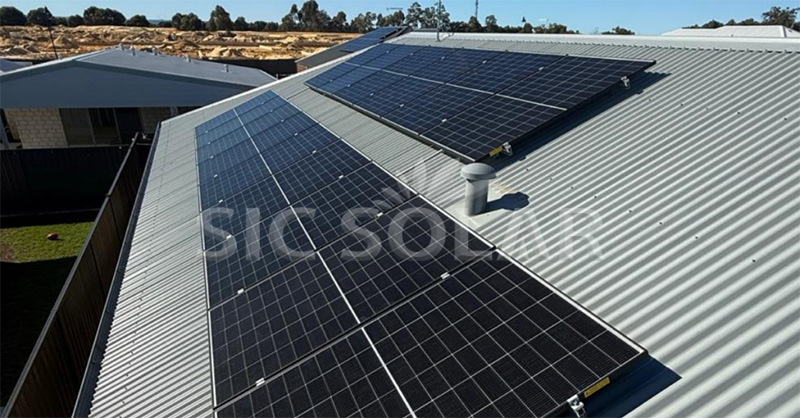
For tile, metal, or shingle roofs, different mounting approaches are used. For instance, solar roof hooks are commonly applied to tiled roofs, while standing seam clamps allow installation on metal roofs without drilling holes. These methods help preserve the integrity of the roof while keeping the panels firmly anchored. Choosing a reliable and high-quality mounting solution is crucial to the system’s long-term stability and performance.

Companies like SIC Solar, a trusted manufacturer of photovoltaic mounting systems, provide a variety of solutions specifically designed for sloped roofs. Their aluminum and stainless-steel racking systems are corrosion-resistant, lightweight, and easy to install. By offering adaptable designs for different roof types, SIC Solar helps ensure that each installation can meet both structural and aesthetic requirements.

In addition to safety and durability, properly installed sloped-roof solar systems are also easier to maintain. Rainwater naturally helps clean the panels, reducing the buildup of dirt and debris that can block sunlight. Moreover, the elevated position of sloped panels allows better airflow beneath them, which can enhance cooling and improve efficiency during hot seasons.

When planning a solar installation on a sloped roof, engineers assess factors such as roof angle, material, load capacity, and shading. Professional mounting solutions help accommodate these variables while ensuring a clean, low-profile appearance that complements the building’s architecture.

Ultimately, sloped roofs are not a barrier to solar adoption — they are an opportunity. With advanced mounting technology and reliable products from manufacturers like SIC Solar, installing solar panels on sloped roofs is both practical and efficient, providing a long-lasting foundation for renewable energy generation.

阅读全文......

How Do You Secure Solar Panels to a Roof?

Securing solar panels to a roof is one of the most important steps in any solar installation. The process must ensure stability, safety, and long-term performance while protecting the integrity of the roof itself. Whether for residential, commercial, or industrial buildings, the key lies in choosing the right mounting system and following proper installation techniques.

There are several methods used to attach solar panels to roofs, depending on the roof type — such as tile, metal, or flat surfaces. For pitched tile roofs, installers typically use roof hooks that are fixed to the rafters beneath the tiles. These hooks extend out to hold aluminum rails on which the solar panels are mounted. This method avoids direct contact between the panels and the roof, maintaining airflow and reducing heat buildup.

solar panels on tile roofs

For metal roofs, the process is slightly different. Special clamps or brackets are used to attach directly to the roof seams without drilling holes, preventing leaks while ensuring strong grip. This method is particularly effective for standing seam metal roofs and is both quick and non-invasive.

Flat roofs usually rely on ballasted mounting systems, which use weighted bases instead of direct penetration. The ballast — often made of concrete or similar heavy materials — holds the panels securely in place, even in high winds. These systems are carefully designed to distribute weight evenly and avoid stressing the roof structure.

In all cases, the quality of the mounting system plays a crucial role in ensuring the panels remain secure for decades. This is where companies like SIC Solar come in. As a professional manufacturer and supplier of photovoltaic mounting structures, SIC Solar provides durable, corrosion-resistant solutions designed for different roof types and weather conditions. Their products are engineered to meet international safety standards while making installation faster and more efficient.

Additionally, proper fastening and sealing are critical. Installers use stainless steel bolts, weatherproof washers, and sealing compounds to prevent water intrusion. Cable management systems, such as clips and conduits, are also added to keep wiring safe and organized.

Before installation, a thorough structural assessment is performed to confirm that the roof can bear the additional load. Once the panels and mounting system are in place, final checks are made to ensure all components are aligned, tightened, and grounded properly.

A secure solar installation combines precise engineering, high-quality materials, and skilled workmanship. With well-designed mounting systems from trusted providers like SIC Solar, solar panels can be safely attached to any type of roof — delivering reliable performance and clean energy for decades.

阅读全文......

How to Secure Solar Panels to a Roof?

Installing solar panels on a roof is one of the most effective ways to harness clean energy at home or for a business. However, beyond selecting the right panels, one of the most critical aspects of the installation process is ensuring that they are securely mounted. Proper mounting not only guarantees system performance but also protects the roof from damage and the panels from harsh weather conditions.

solar roof mounting

The first step in securing solar panels is choosing the right mounting structure. Rooftop systems usually require rails, clamps, and roof hooks or brackets that anchor the panels safely. These components must be compatible with the roofing material—whether it’s tile, metal, asphalt shingle, or slate. For example, tile roofs often use adjustable roof hooks that fit between tiles without breaking them, while standing seam metal roofs can use clamp systems that avoid drilling altogether.

Once the appropriate hardware is selected, the panels are attached to mounting rails that distribute weight evenly across the roof. This helps maintain structural integrity and prevents leaks. The rails are then fixed to roof hooks or brackets that are secured directly into the rafters or other strong structural points. Precision during this stage is essential, as misalignment can affect both the strength of the installation and the efficiency of the solar panels.

Another important factor is wind resistance. Panels must be able to withstand uplift forces during storms. This is achieved through robust fastening methods, weatherproofing sealants, and in some cases, ballast systems that weigh the panels down without penetration. Proper grounding of the system also ensures electrical safety and protects against lightning strikes.

For flat roofs, securing panels often involves ballasted mounting systems. These rely on weight rather than penetration, making them ideal for roofs where drilling could cause damage. Ballast blocks, usually made of concrete, are placed strategically to resist wind uplift while keeping the panels in place.

High-quality mounting systems are key to long-lasting solar performance. This is where companies like SIC Solar, a manufacturer and supplier of photovoltaic mounting brackets, play an important role. Their solutions are designed to fit different roof types and conditions, ensuring that solar panels remain secure, efficient, and safe for decades.

Ultimately, securing solar panels to a roof requires careful planning, the right hardware, and professional installation practices. With reliable mounting systems and proper attention to detail, solar panels can deliver clean energy while keeping both the system and the roof protected.

阅读全文......