Solar Energy Solutions Provider
pv solar mounting systems

Types of Solar Mounting Systems Explained

Solar mounting systems are super important because they keep solar panels safe and working great for years. While the panels grab sunlight, these mounts hold them steady against rain, wind, and all sorts of weather. Knowing about different types of mounting systems helps people installing them pick what works best for each spot. Companies such as SIC Solar has a bunch of choices for different roofs and grounds.

1. Roof Mounts

These are used the most, mainly for houses. They use rails, hooks, or clamps to stick panels right onto the roof.

Pitched Roof Mounts: These work well for roofs made of tile, shingles, or metal. Parts like roof hooks let you put them on without wrecking the roof.

Flat Roof Mounts: These often use frames that are weighted down. Since these don't need holes in the roof, they are liked for businesses.

2. Ground Mounts

If there's not a lot of roof space or the panels would be in the shade, ground mounts are a good choice. Panels go on frames made of steel or aluminum that are held down with screws or concrete. Ground mounts are simple to take care of and good for big properties or big projects. SIC Solar makes tough ground mounts that can handle different grounds and snow.
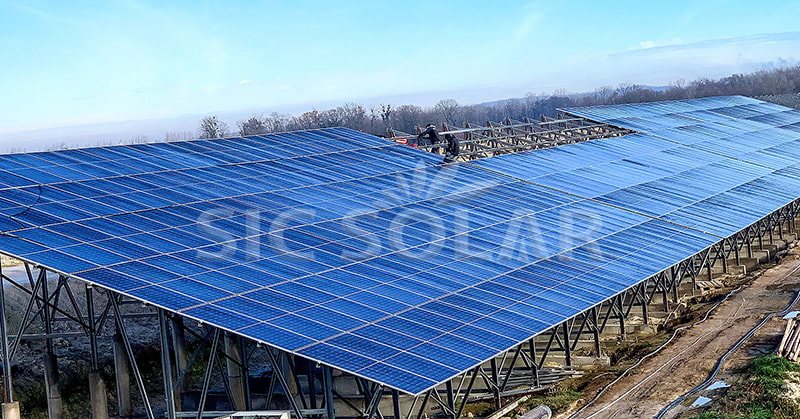
solar ground mounting systems

3. Pole Mounts

Pole mounts put panels up high on a pole, away from plants, snow, or water. They're often used where there's no regular power. Some can be changed by hand so you can tilt them to get more sunlight at different times of the year.

4. Tracking Systems

Tracking mounts move with the sun to get as much power as possible.

Single-Axis Trackers turn from east to west.

Dual-Axis Trackers follow the sun every day and through the seasons. They cost more, but can really up the power in sunny places.

5. Floating Solar Mounting Systems

More and more folks are using floating solar, which puts panels on platforms that float on water like ponds or lakes. This saves land and cuts down water loss. These systems need special floating stuff and parts that don't rust.

Every kind of solar mount has its own use, and what you pick depends on the roof, ground, shade, how much money you have, and your project goals. With good sellers like SIC Solar providing mounts that can be changed and last, installers can find the right system for any job.
阅读全文......

What Is Recommended for a Solar PV Mounting Structure?

When planning a solar PV installation, one of the most critical components to consider is the mounting structure. While solar panels capture the sun’s energy, the mounting system is what keeps them safely and efficiently positioned for decades. Choosing the right structure ensures not only long-term performance but also protection against environmental challenges. So, what exactly is recommended when selecting a solar PV mounting structure?

The first recommendation is material quality. Mounting systems are constantly exposed to wind, rain, and temperature fluctuations. For this reason, materials such as high-grade aluminum and stainless steel are widely preferred. These metals resist corrosion, provide durability, and maintain their strength over time. A well-built mounting system minimizes maintenance and extends the lifespan of the entire solar installation.

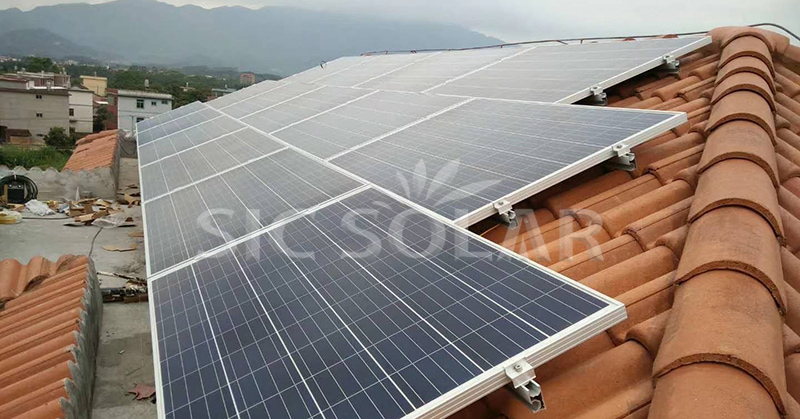
The second factor is design compatibility with the roof or ground type. Not every project is the same—some are mounted on sloped tile roofs, while others may be installed on flat roofs or directly on the ground. Each scenario requires a tailored solution. For example, tile roofs need specialized hooks to avoid damaging tiles, while flat roofs often rely on ballast systems that do not penetrate the roof surface. Ground-mounted systems, on the other hand, demand heavy-duty frames that can withstand soil conditions and wind loads.

roof mounted solar pv

Ease of installation is another important recommendation. A mounting system should be designed for quick assembly with minimal tools, reducing labor costs and installation time. Pre-assembled components, sliding nuts, and adjustable clamps simplify the process, making the installation more efficient. Companies like SIC Solar, which specializes in manufacturing and selling photovoltaic mounting brackets, offer systems designed to streamline installation without compromising strength or safety.

Structural stability and safety are also key considerations. A reliable mounting system must comply with local building codes and international standards, ensuring it can endure high wind speeds, snow loads, and even seismic activity where relevant. Safety is not only about protecting the equipment but also about safeguarding people working around the system.

Another recommendation is to consider scalability and flexibility. As solar technology advances, system owners may want to expand or modify their installations. A flexible mounting structure allows for adjustments, additional panels, or changes in configuration without needing to replace the entire system.

Finally, attention should be given to grounding and electrical bonding. Mounting systems often serve as a path for grounding to enhance system safety. Using the correct grounding washers, bonding jumpers, and accessories ensures compliance with safety standards and reduces risks of electrical faults.

Selecting the right solar PV mounting structure is not just about holding panels in place—it is about ensuring long-term reliability, safety, and performance. With expertise from manufacturers such as SIC Solar, project owners can choose systems that meet these recommendations while aligning with the unique requirements of their installations.

阅读全文......