Solar Energy Solutions Provider
roof solar mounting structure

Pitched Roof vs. Flat Roof Solar Mounting What’s the Difference?

The type of roof you have really matters when you're putting in solar panels – it changes what kind of mounting system you need, how it's installed, and how well it all works over time. Slanted and flat roofs? They need different setups, each with its own pros and cons.

Slanted roofs are pretty common for houses and some businesses. They're already at an angle, which is great for catching sunlight. Mounting systems for these roofs usually use hooks, rails, and clamps that attach the panels right to the roof's frame. The roof's angle helps water and snow slide off and even helps clean the panels naturally. Setting things up is usually faster since you don't need a bunch of extra stuff to get the angle right. Companies like SIC Solar make different mounting parts made for tile, metal, and shingle roofs, which means they'll work with all kinds of roofs.
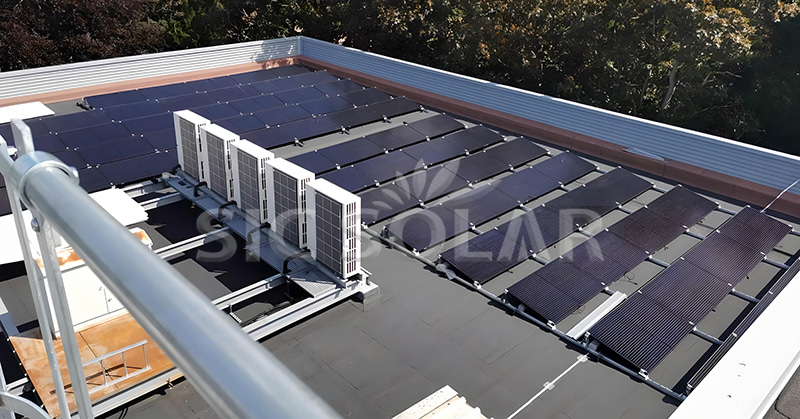
tile roof solar mounting brackets

Flat roofs are more common on businesses and factories. Since they're flat, the mounting systems have to create the right angle for the panels. Usually, this is done with structures that are held down by weights or bolted to the roof. Weighted systems use concrete blocks to keep the panels in place without poking holes in the roof, which keeps it from leaking. Bolted systems attach the structure to the roof for better protection from the wind. Flat roof systems let you set up the panels however you want, so you can get the most energy and avoid shadows.
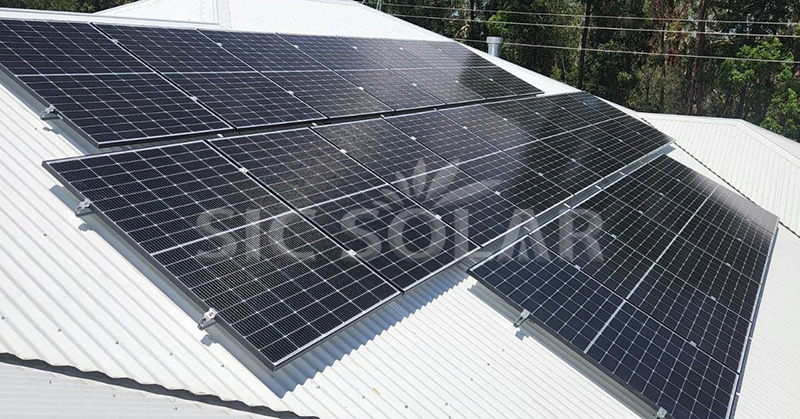
flat roof solar mounting system

Also, how heavy things are and how the wind affects them are different for each type of roof. Slanted roof systems put the weight right on the roof's beams, while flat roof systems need to balance the weight of the blocks, how much weight the roof can handle, and how strong the wind is. good planning is key so you don't overload the roof or mess with safety. Suppliers focus on shapes that handle wind well and calculations to keep everything stable.

Getting to the systems for upkeep is different too. Flat roof setups are usually easier to get to for cleaning and checks, since people can just walk around the panels. Slanted roof systems might need extra safety steps, but they're usually higher up, so they don't get as dusty.

Both types of systems can work nicely if they're set up right. The best pick depends on the building, weather, budget, and how much you expect to do upkeep, all of which affect how well the solar panels work.
阅读全文......

What International Standards Should You Look for in Solar Mounting Systems?

When investing in a solar power system, the quality of the solar mounting structure is just as important as the panels themselves. A well-designed mounting system not only supports solar modules safely but also ensures long-term performance and protection against environmental stress. To guarantee this level of reliability, solar mounting systems must comply with recognized international standards that define their strength, safety, and durability.

One of the most widely recognized certifications is the ISO 9001 standard, which ensures that the manufacturer follows a consistent and effective quality management system. When a company producing photovoltaic mounting systems holds ISO 9001 certification, it demonstrates that every process—from design and material selection to production and delivery—is carefully managed and continually improved. Companies like SIC Solar, for instance, adhere to strict manufacturing processes to ensure each mounting component meets high global standards.

solar mounting structure

For structural performance, AS/NZS 1170 (used in Australia and New Zealand) and EN 1991 (Eurocode 1) in Europe are key references. These standards cover the design loads solar structures must endure, including wind, snow, and seismic loads. They help engineers ensure that the solar racking system can withstand natural forces while maintaining stability and alignment over time.

In the United States, compliance with UL 2703 is crucial for any solar mounting system. This standard focuses on the electrical and mechanical safety of the racking, grounding, and bonding components. Systems certified under UL 2703 are tested for their ability to resist corrosion, prevent electrical faults, and support secure module attachment. For customers installing solar projects in North America, this certification provides assurance of both safety and long-term reliability.

For corrosion resistance and environmental performance, ISO 12944 is often referenced, especially for systems installed in coastal or industrial areas. This standard defines the levels of protection required for steel components exposed to various atmospheric conditions. In addition, ASTM standards specify material quality, such as aluminum and stainless steel used in solar mounting systems, ensuring they maintain strength and resist degradation over time.

Another emerging area of focus is IEC 62548, which provides international guidelines for the installation and maintenance of photovoltaic systems. It includes mounting-related safety aspects, such as grounding, cable management, and mechanical stability. Meeting IEC requirements helps reduce installation errors and enhances the safety of solar projects.

When evaluating solar mounting suppliers, it’s important to look for companies that not only follow these international standards but also continuously test and improve their designs. SIC Solar, a trusted manufacturer of solar mounting systems, develops products that comply with ISO, UL, and EN standards to ensure compatibility with global markets. Their mounting structures are engineered and tested for durability in diverse environmental conditions, from high winds to heavy snow loads.

By choosing solar mounting systems that meet recognized global standards, project developers and installers can ensure safety, reliability, and long-term performance. These certifications serve as a guarantee that the system has been engineered and tested according to the highest international benchmarks, providing peace of mind for both residential and commercial solar projects.

阅读全文......