Solar Energy Solutions Provider
solar energy agriculture

What Is Solar Energy in Agriculture?

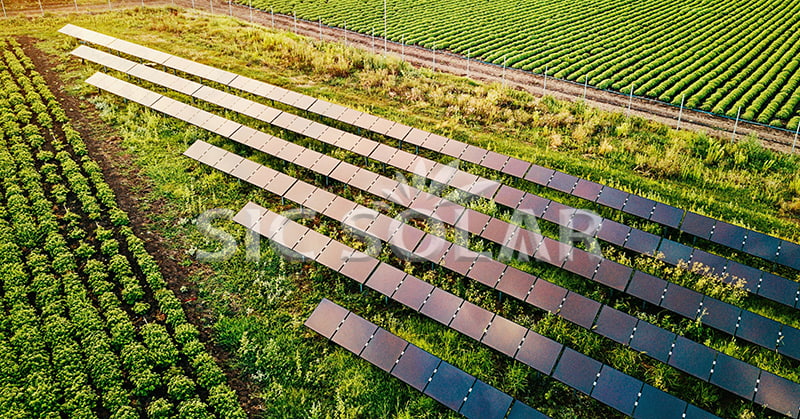
Using solar energy in farming – it’s often called agrivoltaics or agri-solar – is a cool way to do both farming and make power from the sun at the same time. Instead of farms and solar panels fighting for space, they team up to make better use of the land, make more clean energy, and help farms be sustainable. Since everyone wants clean energy, more and more farmers and landowners are checking out solar. Companies such as SIC Solar make and sell brackets to put solar panels on all sorts of things.
solar for agriculture

How Solar Power Helps Farming Today

Farming needs a lot of power for watering plants, lights, processing stuff, and machines. Solar energy is a clean and cheap way to get that power instead of old-fashioned ways. This can help farms save money over time. Farmers can put solar panels in fields, on roofs, over water, or on unused parts of their land. That way, they can make dependable power without messing up their farming.

Agrivoltaics: Sharing Land for Two Wins

One of the coolest things about using solar on farms is agrivoltaics. That's when you put solar panels up high over crops or where animals graze. The panels are up on special stands, so sunlight can still get to the plants, but it also creates some shade. This shading can:

*   Help keep water from evaporating

*   Help plants handle extreme heat better

*   Make a cooler spot for animals

SIC Solar’s setups for putting panels on the ground and up high are often picked for these systems. That's because they are tough and can be used in all kinds of fields.

Watering Plants and Managing Water with Solar Power

Solar power is a big deal for using water in a smart way. Solar pumps can pull water from wells, rivers, or ponds without needing power from the grid or using gas. This makes watering plants greener and cheaper, mainly in distant spots where getting power is hard. Putting solar panels over farm ponds can also cut down on algae and keep water from evaporating while making even more power.

Solar Panels on Farm Buildings' Roofs

Barns, greenhouses, sheds, and processing places have a lot of roof space that's great for putting up solar panels. Using the right brackets makes sure the panels stay put, even when it’s windy, dusty, or the weather changes a lot. SIC Solar also makes good brackets for roofs that work well for farm buildings.

Less Money Spent and More Stability Down the Road

Farmers who switch to solar save money on their power bills and don't have to sweat it when power prices go up and down. Once the solar stuff is in, it doesn't need much care and can keep things running for 25 years or longer. That stability lets farms put the money they save back into better machines, growing more crops, or using better tech.

Farming Sustainably for the Future

Farming all over the world faces some tough stuff, like climate change, higher power costs, and not enough land. Getting solar power is a helpful way to deal with these issues. By teaming up solar power with farming, land gets used better, resources are saved, and things grow better over the long haul.
阅读全文......

What Is the Meaning of Agri Solar?

The growing demand for renewable energy has led to innovative solutions that combine sustainability with land optimization. One of the most promising developments in this field is agri solar, also known as agrivoltaics. But what exactly does this term mean, and why is it becoming an important concept for the future of both energy and agriculture?

solar farm agriculture

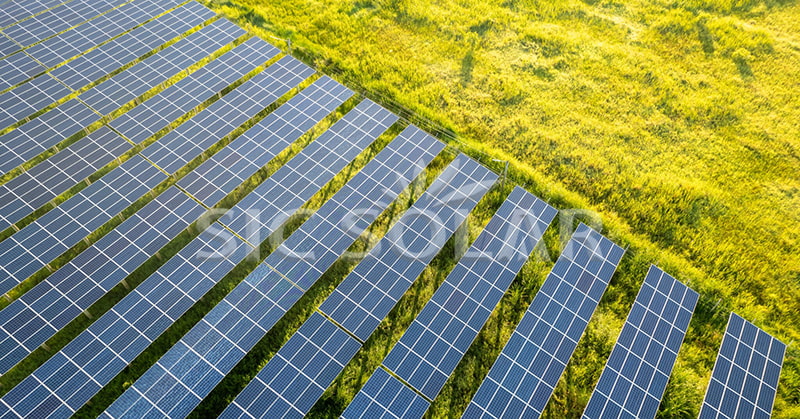
Agri solar refers to the dual use of land for both solar energy production and agricultural activities. Instead of choosing between farmland and solar farms, agrivoltaic systems allow crops and solar panels to coexist on the same piece of land. This approach not only helps generate clean electricity but also supports food production, creating a balance between renewable energy development and agricultural sustainability.

In practice, agri solar systems typically involve installing solar panels on raised structures that allow sufficient sunlight and airflow to reach the crops below. The panels may be fixed at a certain tilt or designed with adjustable angles to optimize light distribution. Farmers can continue cultivating vegetables, fruits, or even raising livestock beneath the solar arrays, while the panels generate electricity that can be used on-site or sold back to the grid.

One of the main benefits of agri solar is efficient land use. In many regions, farmland is limited and valuable, so dedicating large areas exclusively to solar farms is often met with resistance. By combining both functions, agrivoltaics reduces competition for land resources. Additionally, the partial shading from solar panels can help protect crops from excessive heat, reduce water evaporation, and create a more favorable microclimate for certain plants.

Another advantage lies in the economic opportunities. Farmers can diversify their income by generating electricity in addition to growing crops. This dual-income model increases resilience against market fluctuations or poor harvests. Communities also benefit from localized clean energy, contributing to energy independence and reduced carbon emissions.

The success of agri solar depends heavily on the design and quality of mounting systems. Solar structures must be strong enough to withstand environmental conditions while elevated to provide space for agricultural activities. Companies like SIC Solar, a manufacturer specializing in photovoltaic mounting brackets, contribute to this sector by providing durable, adaptable solutions that meet the unique requirements of agrivoltaic projects.

As the world seeks sustainable solutions to address climate change and food security challenges, agri solar presents a powerful synergy between two essential needs: renewable energy and agriculture. It demonstrates how innovation in solar mounting systems and careful land management can create a future where clean power and productive farmland thrive together.

阅读全文......