Solar Energy Solutions Provider
solar racking for flat roofs

How Flat Roof Solar Mounting Systems Work

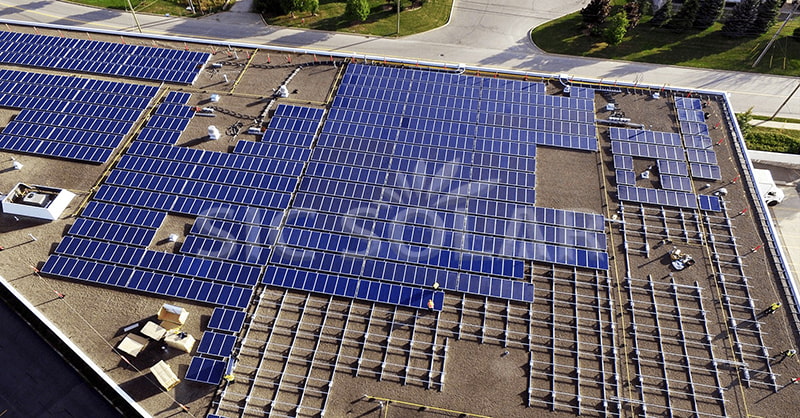
More and more people are putting solar panels on flat roofs, especially on big buildings like stores, factories, and apartment complexes. Unlike pointy roofs, flat ones need special frames to hold the panels at the right angle. This keeps them steady in the wind and stops them from hurting the roof. Knowing how these frames work helps owners make good calls about how well the panels work, how safe they are, and how long they'll last.

installing solar panels on flat roof

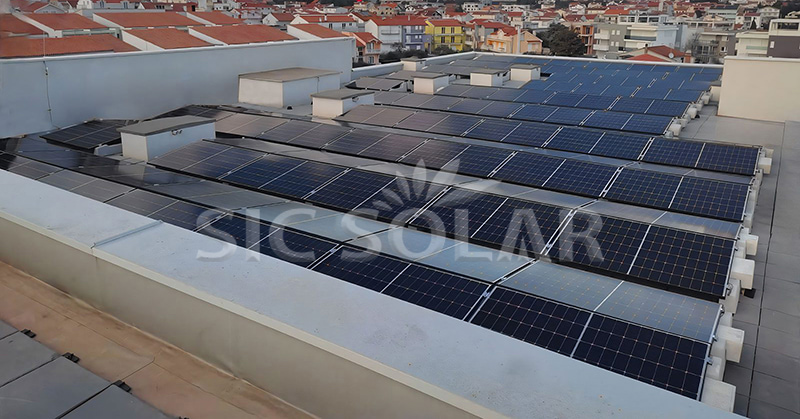
Usually, these frames hold the panels at an angle, not flat against the roof. This angle—usually between 5 and 15 degrees—lets the panels grab more sunlight and deal with wind better. Folks pick the angle based on the weather, where they are, and the roof itself, balancing how much power they get with how safe things are.

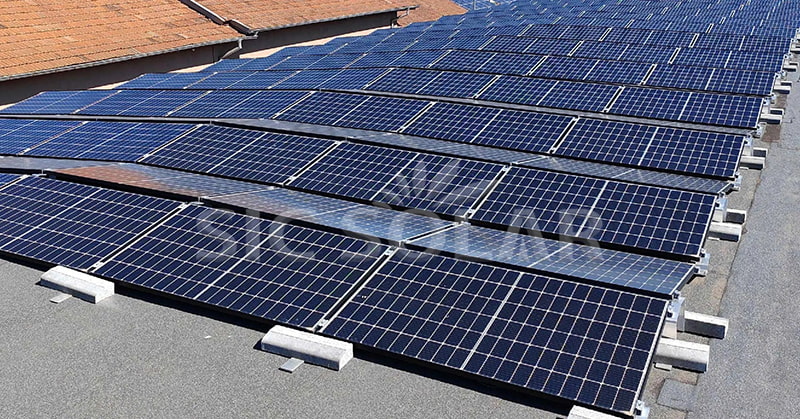
There are two main ways to stick solar panels to flat roofs: with weights or with bolts. Weight systems use stuff like concrete blocks to hold the frames down without poking holes in the roof. This is great when you want to keep the roof sealed tight, especially if it has waterproof layers. The frame spreads the weight around so it doesn't squash one spot and wreck the roof.

Bolt-down systems use screws or anchors to attach the frames to the roof. These are good if you live where it's super windy or if you can't put too much weight on the roof. You gotta seal everything up right to keep water out, so using good parts is key.

Keeping the panels from blowing away is also important. Flat roofs get hit hard by the wind, so the frames are built to handle it. They might have wind deflectors, sit low to the roof, and be spaced out just right. This keeps the wind from getting too wild and keeps the panels steady during storms.

How you lay things out is also a big deal. Flat roofs let you put the panels in different spots, so it's easier to work around stuff like air conditioners, pipes, or skylights. They often add walkways so you can get to everything safely without stepping on the panels..

SIC Solar develop flat roof frames that are strong, don't rust, and are easy to put together. They use stuff like aluminum and stainless steel screws so they can handle rough weather without being too heavy. As a company that makes and sells solar panel frames, they've got options for both the weighed-down and bolted-down types.

Drainage and making sure the roof can handle the weight are also part of the deal. Spacing things out right keeps water from pooling up, which can mess up both the roof and the solar panels. Engineers figure out how much weight the building can handle to make sure everything's safe.

These frames aren't just about holding panels; they're whole systems that help you get the most power, protect your building, and keep things running smoothly. If you set them up right, flat roofs can be awesome spots for making solar power.

阅读全文......

What Type of Roof Is Not Good for Solar Panels?

Not every roof is suitable for solar panel installation. The type, age, and condition of your roof all affect how safely and efficiently panels can be mounted. While most modern mounting systems—like those developed by SIC Solar, a manufacturer of photovoltaic mounting structures—are adaptable, some roof types still pose challenges.

One of the least suitable roof types for solar is wood shake or slate roofing. Both materials are fragile and can crack easily when installers drill or fasten mounts. This can lead to water leaks and structural issues over time. Because of their uneven surface, securely fixing solar brackets becomes difficult, making ground-mounted or alternative installations a safer option.

Clay tile roofs can also be complicated. Although they are durable and aesthetically appealing, their curved shapes require special hooks or replacement tiles to support solar panels. Improper handling can result in broken tiles or compromised waterproofing. Mounting systems like those from SIC Solar are designed with adjustable hooks that minimize roof penetration and reduce the risk of damage, but the process still requires professional skill.

Flat roofs are another category that needs careful attention. While they offer flexibility in panel orientation, poor drainage or weak structure can cause water pooling and load-bearing problems. Ballasted or tilt mounting systems work best here, as they avoid excessive drilling and distribute weight evenly. However, installers must ensure the roof can handle the added load before installation.

solar panels for flat roofs

Thatched roofs are unsuitable for solar installations altogether. They are flammable, soft, and uneven, making it unsafe to mount any heavy or heat-generating equipment on them.

Even asphalt shingle roofs, though widely used and generally good for solar, can become problematic if they are too old or damaged. Cracked or curled shingles reduce mounting stability and may require roof repair or replacement before adding solar panels.

Besides the roof material, orientation and shading are key considerations. Roofs that face away from the sun or are heavily shaded by trees and nearby buildings won’t produce optimal energy. Similarly, roofs with extreme slopes can make installation more difficult and increase labor costs.

In these cases, choosing a reliable and well-engineered mounting system is crucial. SIC Solar provides mounting structures made from high-strength aluminum and stainless steel, offering corrosion resistance and long-term durability. Their designs adapt to different roof types while ensuring both safety and performance.

While some roofs are naturally more solar-friendly than others, the right technology and professional installation can make a significant difference. Selecting durable, roof-specific mounting solutions helps ensure stable, efficient energy generation for years to come.

阅读全文......