When you're setting up solar projects for utilities, you gotta balance how strong the mounts are, how well they work, and how long they'll last. These big setups can cover huge areas and deal with nasty weather, so they need to keep pumping out power for years. If the mounting is designed well, the system will work without issues, and construction and upkeep won't break the bank.
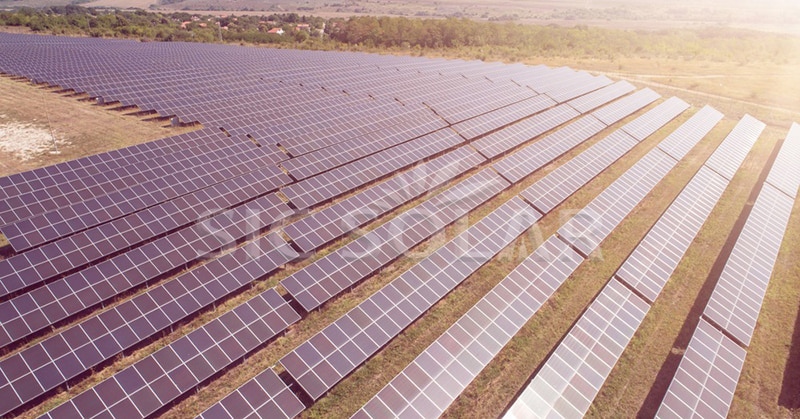
Picking the right kind of mount for where you are is super important. If the land is flat and open, folks usually go with fixed-tilt or single-axis tracking systems. Fixed-tilt stuff is easy and cheap, but trackers get you more power 'cause they follow the sun. What kind of soil you have, how steady the ground is, and how windy it gets all play a role in what works best. If it's rocky, you might need foundations you can change or ground screws. If the soil is soft, driven piles could be the way to go.
What you make the mounts out of is also a big deal. Usually, it's galvanized steel or aluminum. Steel is super strong for big stretches, and aluminum doesn't rust as easily and is easier to handle. Lots of companies, like SIC Solar, make mounting systems just for huge projects, focusing on how steady they are, how easy they are to put together, and how long they'll last.
Making the structure just right is also key. Engineers gotta figure out how much wind and snow the system can handle, how big the panels are, and how far apart the rows should be, so the whole thing doesn't fall apart in bad weather. Getting the tilt angle right helps you get the most power without rows shading each other. Designs that let things expand when it's hot and bend a little help keep stress off the array over time.
Cutting down on installation labor is also huge for these big solar farms. If the parts come pre-made, the layout is simple, and the fasteners are quick to deal with, crews can get things done faster and safer. A simple design cuts down on labor costs and gets the project done sooner, which makes the whole solar plant cheaper.
Don't forget about getting the ground ready. Leveling the surface or tweaking the foundations makes sure everything lines up right and stays put. Good drainage keeps the piles from getting eroded and keeps the structure from shifting over time.
How you manage cables is also important in big setups. If the cables are organized well in trays and clips and routed right, they won't get wrecked by the sun, animals, or water. Good cable planning makes the system work better and makes maintenance easier down the road.
Lastly, think about the long haul. These solar farms should work for 25 to 35 years, so the mounting systems gotta hold up against rust, hot and cold temps, and bending. Working with someone you trust, like SIC Solar, who cares about quality makes sure every part helps the plant last and work well.
If you put together smart materials, look at the site closely, and install things the right way, mounting design becomes the base for solar power that lasts.
