Solar Energy Solutions Provider
balcony solar mounting

What Is a Solar Balcony Mounting System?

As urban living spaces become more compact, many people are looking for practical ways to generate solar energy without access to large rooftops or open land. A solar balcony mounting system is an innovative solution designed specifically for apartments and buildings with limited installation space. It allows residents to install photovoltaic panels directly on balcony railings or walls, making solar energy more accessible in urban environments.
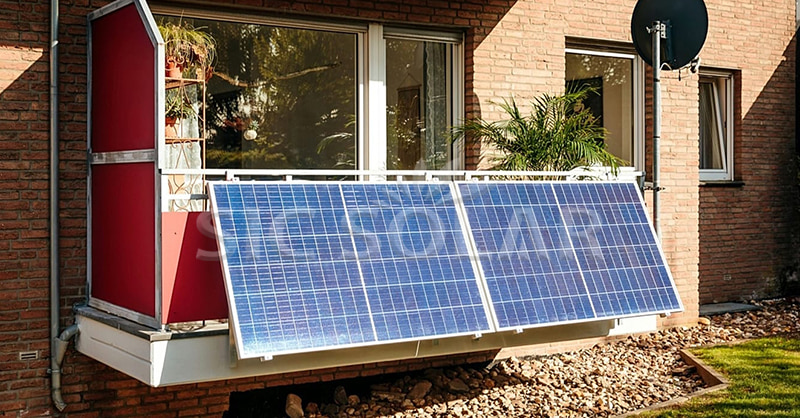
solar panel for balcony

A solar balcony mounting system is a type of photovoltaic support structure that securely holds solar panels on a balcony. These systems are typically designed to attach to railings, floors, or vertical walls without requiring major structural modifications. Depending on the design, panels can be installed at a fixed angle or adjusted to capture optimal sunlight throughout the day.

One of the main advantages of balcony solar systems is space efficiency. In cities where rooftop access may be restricted or shared, balconies provide a convenient alternative for installing small-scale solar systems. This allows individual households to generate their own electricity without relying entirely on centralized power sources.

Installation is generally simple compared to larger solar systems. Most balcony mounting systems use lightweight components and modular designs, making them easier to transport and assemble. In many cases, drilling is minimized or avoided altogether, which helps preserve the structure of the building. Secure fastening methods ensure that the panels remain stable even in windy conditions.

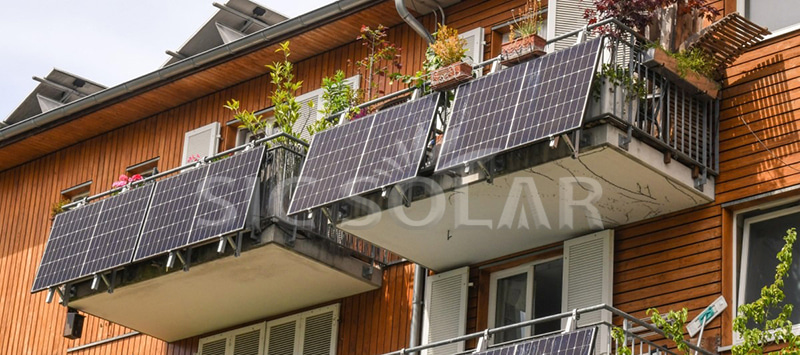
Another benefit is flexibility. Solar balcony mounting systems can be adapted to different balcony types, including metal railings, concrete barriers, or glass panels. Adjustable brackets allow users to change the tilt angle of the panels, improving energy production based on sunlight conditions. This adaptability makes them suitable for a wide range of residential applications.

Safety is a key consideration in balcony installations. The mounting system must be strong enough to support the weight of the panels and withstand environmental forces such as wind. High-quality materials like aluminum and stainless steel are commonly used to ensure durability and corrosion resistance. Proper installation is essential to avoid any risk of falling components.

In addition to generating electricity, balcony solar systems can contribute to energy savings. Although the scale is smaller compared to rooftop or ground-mounted systems, they can still reduce household electricity bills and improve energy independence. For apartment residents, this provides an accessible entry point into solar energy.

Manufacturers such as SIC Solar offer a variety of photovoltaic mounting solutions, including systems suitable for balcony applications. Their designs focus on ease of installation, structural reliability, and compatibility with different types of solar panels. By using well-engineered mounting components, users can ensure both safety and long-term performance.

Solar balcony mounting systems represent a practical approach to integrating renewable energy into urban living spaces. By utilizing available balcony areas, they make it possible for more people to participate in solar energy generation, even in densely populated environments.
阅读全文......

Why Have Balcony Solar Panels Not Taken Off in the US?

Balcony solar panels—those small solar setups for apartments and condos—are pretty popular in parts of Europe, but you hardly ever see them in the States. It's not just about the tech; there are rules, building designs, money stuff, and how the solar market works that all play a part.

balcony solar bracket

Rules and Hooking Up to the Grid

One big issue here is the rules. In Europe, you can often just plug a balcony solar panel into an outlet, but in the US, things are way stricter. Utility companies usually want certified inverters, permits, inspections, and agreements to connect to the grid, even for tiny systems. That makes it all more complicated and expensive, so balcony solar isn't as appealing.

Housing and City Layout

Balcony solar is best in crowded cities with similar apartment designs and balconies facing the same way. But a lot of US cities are more spread out, with more houses than apartments. And for apartment renters, balconies are often shady, weirdly shaped, or not strong enough for extra weight, which makes solar harder to install.

Who Owns What and Permission

Another problem is who owns the building. In apartments, balconies are usually part of the building. So, renters often need to get permission from landlords or building managers to install anything outside. Getting that approval can be tough, especially if they worry about how it looks, safety, or who's responsible if something goes wrong.

Money and Perks

In the US, big rooftop solar systems get discounts. Tax breaks, state programs, and net-metering are usually for bigger setups. Balcony panels don't make much power, so they're not as good of an investment compared to rooftop systems or community solar programs where renters can buy into shared solar power.

Safety, Wind, and Who's Responsible

US building codes are serious about wind, fire, and strength. Balcony panels need to handle strong winds, especially near the coast or in stormy areas. Building owners and insurance companies often see balcony solar as risky, which raises concerns about who's responsible if there are any problems, even if the systems are safe.

What the Solar Industry Focuses On

The US solar industry has mostly focused on rooftops, ground setups, and big utility projects because they make more energy and money. Companies have invested in standard ways to install those systems. For example, SIC Solar makes mounting systems mostly for rooftops, ground mounts, carports, and big projects because that's where the money is.

Growing Interest and What Could Happen

Even with these problems, people are slowly getting more interested in balcony solar as cities get denser and people care more about energy. Better, lighter mounting, safer systems could make balcony solar more appealing to regulators and building owners. And changes in rules and programs could also help it grow.

Balcony solar panels haven't caught on in the US because the market has been better for bigger solar solutions. Rules, building ownership, few perks, and what the industry focuses on have all shaped things, even as the tech keeps getting better.

阅读全文......