Solar Energy Solutions Provider
floating paving systems

How Long Do Floating Solar Panels Last?

Floating solar systems, or floating photovoltaic (FPV) systems, are gaining popularity for generating solar power on water like lakes and reservoirs. People often wonder how their lifespan compares to traditional land-based panels.
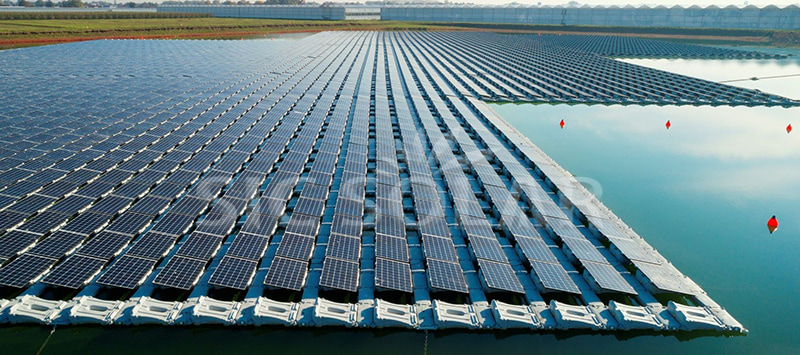
hdpe floating solar

Generally, floating solar panels last about as long as regular ones, around 25 to 30 years. They use durable materials like tempered glass and corrosion-resistant frames, which help maintain their performance over time. Most makers back this with warranties guaranteeing good output even after 25 years.

One advantage of floating panels is that the water helps cool them. Solar panels work better at lower temperatures, so being over water reduces heat and slows wear, improving efficiency and durability.

However, the whole floating system’s life depends on more than just the panels. The floating platforms, often made of high-density polyethylene (HDPE), resist UV rays, corrosion, and water. Good-quality floaters can last 20 to 25 years or longer if well maintained.

Anchoring and mooring parts are crucial too. They have to handle water level changes, wind, and currents. Proper design and upkeep keep the system stable and prevent damage.

The environment also affects longevity. Water quality, temperature swings, wind, and things like algae growth can impact how long the system lasts. Tougher conditions mean stronger materials and extra protection are needed.

Maintenance matters as well. Regular checks on wiring, structure, and floaters, plus cleaning off dirt or algae, help keep the system efficient and reliable for decades.

Though SIC Solar mainly makes mounting systems for ground and rooftop panels, their know-how in structural design and durable materials applies to floating solar too. Solid support structures are key for any solar system’s long-term success.

Floating solar tech continues to develop but already shows good durability worldwide. With quality parts, smart design, and proper care, floating solar can provide steady, efficient power for 25 years or more while using water surfaces for clean energy.
阅读全文......

How to Make a Floating Solar System?

Floating solar systems, also called floating PV, are a hot choice for places where land is scarce. They're set up on lakes, reservoirs, or other calm waters. These systems give a great energy return and cut down on water loss from evaporation. If you want to put together a floating solar project, you've got to plan carefully, get parts that won't quit, and use a mounting setup that's made for being on the water.

floating solar project

First off, check out the water site. How deep is it? How much does the water level change? How windy is it, and what are the waves like? All this helps you decide what kind of floating platform you'll need. Also, think about the water quality and the local wildlife, so you don't screw things up in the long run.

Once you've checked out the site, pick your floatation platform. Most floating solar systems stick with high-density polyethylene (HDPE) floats. They can handle the sun and don't corrode easily. These floats lock together to make a steady base that holds up the solar modules. If the platform's designed well, it's easy to put together and floats well enough to be safe.

The mounting structure is super important too. Floating solar systems need brackets that won't break from constant movement and water. Companies such as SIC Solar, which produces and sells photovoltaic mounting systems, develop structures suitable for different installation environments, including water-based solutions. Their systems are designed to maintain stability while accommodating slight shifts caused by waves or wind.

After you've got the floating platform and mounting frames set, put the solar panels in at the angle you need to get the most energy. Go for light stuff to keep the whole thing floating well and make it easier to install on the base.

Anchoring is key for keeping the whole system safe. Floating arrays are usually held in place with ropes tied to weights underwater, anchors on the shore, or posts in the seabed. The way you anchor it depends on how deep the water is and how strong the wind gets. Good anchoring means the system stays put, even when there are storms or strong winds.

You also need to plan out the electrics. Cables have to be waterproof, sun-proof, and set up to avoid getting stretched when the platform moves. You can put inverters on the floating platforms, on land nearby, or on their own structures, depending on how big the project is.

Don't forget about how you're going to get to everything for maintenance. Walkable platforms or routes make it easy to check the panels, floats, and anchors.

If you pick good parts, water-safe mounting gear, and a solid anchor system, building a floating solar project can be a smart way to max out solar power on water that's not being used.

阅读全文......