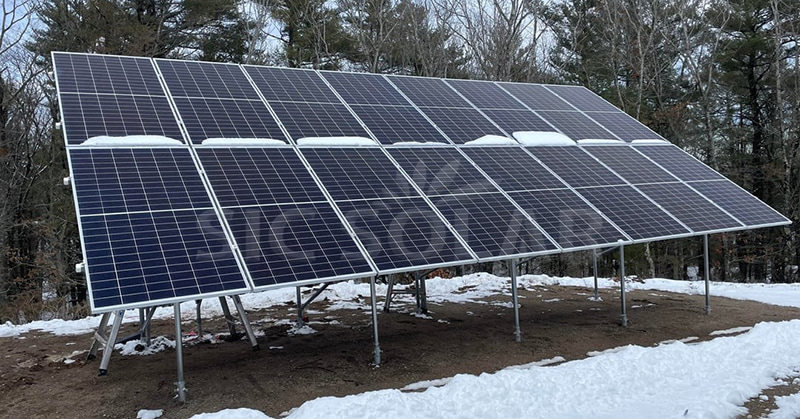
In solar mounting system design, wind load calculation is one of the most critical engineering steps. Solar panels are exposed to outdoor conditions for decades, and wind forces can significantly impact their structural stability. Properly calculating wind load ensures that the mounting system can withstand uplift, pressure, and dynamic forces without failure.
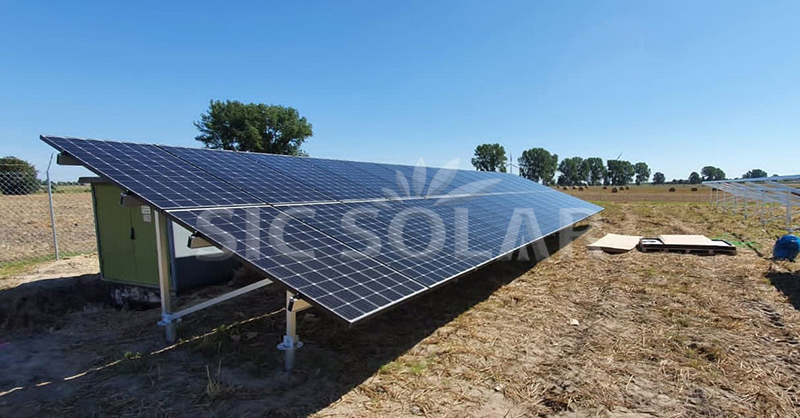
Wind load refers to the force exerted by wind on a structure. For solar mounting systems, this includes both downward pressure and uplift forces that can potentially lift panels off their supports. The calculation process is based on a combination of environmental data, system design, and engineering standards.
The first factor in wind load calculation is wind speed. Engineers typically use the basic wind speed specified in local building codes or standards. This value represents the maximum expected wind speed in a given region. Higher wind speeds result in greater forces acting on the solar panels and mounting structure.
Next, the height and location of the installation must be considered. Systems installed on rooftops or open fields may experience different wind pressures depending on exposure. For example, open terrain with few obstructions allows wind to flow more freely, increasing the load on the structure. Urban areas with surrounding buildings may reduce wind impact to some extent.
Another important factor is the tilt angle and orientation of the solar panels. Panels installed at higher tilt angles tend to catch more wind, increasing uplift forces. The arrangement of panels, including row spacing and layout, also affects how wind flows across the system. Aerodynamic design can help reduce wind pressure and improve overall stability.
The shape and size of the solar array also influence wind load. Larger arrays present a bigger surface area to the wind, resulting in higher forces. Engineers calculate the projected area of the panels and apply pressure coefficients to determine the total load acting on the system.
A simplified formula often used in wind load calculation is:
Wind Load = Wind Pressure × Area × Coefficient
Wind pressure itself is derived from wind speed and air density, typically calculated using standard engineering formulas defined in building codes. Coefficients are applied to account for factors such as panel shape, tilt, and installation type.
Safety factors are also included in the calculation. These ensure that the mounting system can handle loads beyond normal conditions, providing a margin of safety during extreme weather events. Engineers design the system to meet or exceed these requirements to ensure long-term reliability.
Foundation design is directly influenced by wind load calculations. For ground-mounted systems, foundations such as ground screws or concrete bases must be able to resist uplift and lateral forces. For rooftop systems, the mounting method—whether ballasted or penetrating—must be selected based on the calculated wind loads.
Modern solar mounting systems are often engineered with these calculations in mind. Manufacturers such as SIC Solar design their photovoltaic mounting structures to meet international standards for wind resistance. By combining structural analysis with practical installation solutions, they help ensure that solar systems remain stable under various environmental conditions.
Accurate wind load calculation is essential for both safety and performance. It not only protects the solar panels and mounting structure but also ensures compliance with local regulations and engineering standards. In every solar project, careful analysis of wind forces plays a key role in delivering a reliable and durable installation.