Solar Energy Solutions Provider
ground mounted solar pv systems

What Is Ground Mounted PV?

Ground mounted PV, or ground mounted photovoltaic systems, are solar power installations where solar panels are installed directly on the ground rather than on rooftops. These systems use mounting structures that securely hold the panels at an optimal tilt and orientation to capture the maximum amount of sunlight throughout the day. They are widely used for residential, commercial, and utility-scale projects due to their flexibility, scalability, and high efficiency.

Unlike rooftop systems that depend on the structure and slope of a building, ground mounted PV systems are installed on open land. This gives designers complete freedom to choose the best angle, direction, and layout to achieve the highest energy yield possible. The panels are usually supported by durable metal mounting frames anchored into the soil using concrete foundations or ground screws, depending on site conditions.
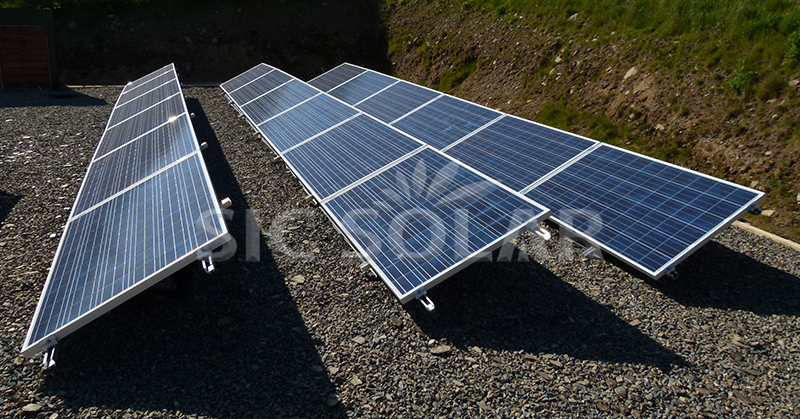
ballasted ground mount solar

There are two main types of ground mounted PV systems: fixed-tilt and tracking systems. Fixed-tilt systems hold the panels at a set angle throughout the year. They are simpler, more cost-effective, and require less maintenance. Tracking systems, on the other hand, are more advanced—they follow the movement of the sun, adjusting the panel position automatically to capture more sunlight during the day. While they are more expensive, they can significantly increase energy production.

Companies like SIC Solar, a professional manufacturer of photovoltaic mounting systems, design and produce the structures that support these solar panels. Their ground mounting solutions are made from high-strength aluminum and galvanized steel, offering superior corrosion resistance and long-term durability. These systems are designed for quick installation and are suitable for various terrains, from flat land to uneven or rocky surfaces.

One of the major advantages of ground mounted PV systems is accessibility. Because the panels are not placed on roofs, maintenance and cleaning are much easier. Installers and technicians can access the panels directly, reducing the time and effort required for regular upkeep. Additionally, since these systems are not limited by roof space, they can be scaled up easily to meet higher energy demands, making them ideal for large commercial or utility-scale projects.

Another benefit is cooling efficiency. Ground mounted panels have better airflow around them compared to rooftop systems, which helps keep the panels cooler and improves performance, especially in hot climates. The ability to optimize both tilt and spacing further enhances overall energy generation.

However, ground mounted systems require more land and sometimes additional site preparation, which can increase installation costs. Despite this, for properties with sufficient space, they remain one of the most effective and reliable solar options available.

By combining advanced engineering with strong and adaptable mounting structures, companies like SIC Solar help ensure that ground mounted PV systems perform efficiently, safely, and sustainably for decades—turning open land into powerful sources of renewable energy.
阅读全文......

How Do You Anchor a Solar Panel to the Ground?

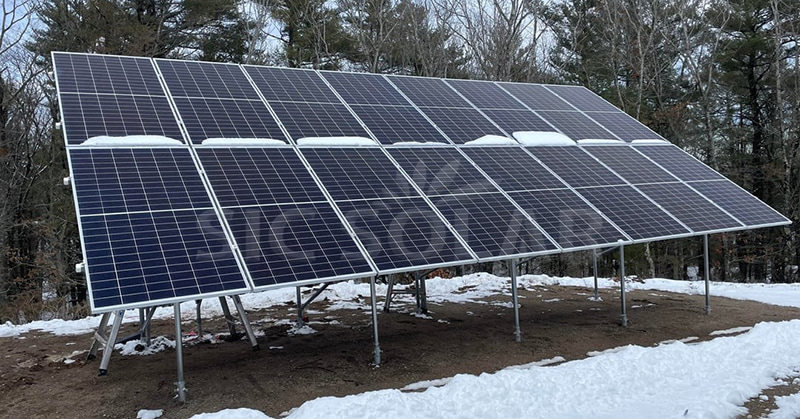
Ground-mounted solar systems are an excellent alternative to rooftop installations, offering flexibility in orientation, angle, and scalability. But one of the most critical aspects of any ground-mounted solar project is anchoring — securely fixing the solar panels to the ground to ensure long-term stability, even in challenging weather conditions.

solar panels ground mounted systems

The method used to anchor solar panels depends on factors such as soil type, project size, climate, and budget. The main goal is to create a foundation that supports the mounting structure, prevents movement, and withstands wind, snow, and seismic loads.

One of the most popular solutions today is the ground screw foundation. Ground screws are large steel anchors that are driven directly into the soil using specialized machinery. They eliminate the need for concrete and can be installed quickly with minimal environmental disruption. Because they work well in a wide range of soil conditions, ground screws are ideal for solar farms, agricultural land, and uneven terrain. Their ease of installation also allows for fast project deployment, even in remote areas.

Another common method is the pile-driven foundation, where long steel posts are hammered into the ground to provide a solid base. This technique is typically used for large-scale solar projects where consistent soil conditions allow for deep anchoring. Pile-driven systems offer excellent load-bearing capacity and are suitable for regions with strong winds.

For areas with rocky or weak soil where drilling or driving posts is difficult, a concrete foundation may be used. This involves pouring concrete footings that hold the mounting structure in place. While it offers excellent stability, it’s more time-consuming and less eco-friendly than screw or pile systems.

In some installations, especially on land that cannot be permanently altered, ballasted ground mounts are used. These rely on heavy concrete blocks or similar materials to weigh down the structure without penetrating the ground — ideal for temporary or leased properties.

No matter which foundation type is chosen, the strength and precision of the mounting system are vital. Companies like SIC Solar, a professional manufacturer and supplier of photovoltaic mounting structures, provide engineered solutions that integrate seamlessly with different anchoring methods. Their ground mounting systems, built with corrosion-resistant aluminum and galvanized steel, are designed to ensure durability, stability, and easy installation in various terrains.

Proper anchoring ensures that solar panels remain secure for decades, maximizing energy production and minimizing maintenance. With reliable mounting solutions from trusted manufacturers such as SIC Solar, ground-mounted solar projects can achieve both structural integrity and long-term performance across diverse environmental conditions.

阅读全文......

Can Solar Panels Be Mounted on the Ground?

When most people imagine solar panels, they think of them installed on rooftops. However, ground mounted solar systems are an excellent alternative, offering flexibility in design, maintenance, and performance. The short answer is yes—solar panels can absolutely be mounted on the ground, and in many cases, they can even outperform rooftop systems.

Ground mounting involves installing solar panels on a support structure anchored directly into the ground, rather than attaching them to a building. This approach allows for optimal panel orientation and tilt angles, which can significantly increase energy production. Since there are no roof slope limitations, panels can be positioned to face true south (in the Northern Hemisphere) or true north (in the Southern Hemisphere) for maximum sunlight exposure.

There are two main types of ground mounted systems: standard fixed-tilt systems and tracking systems. Fixed-tilt systems hold the panels at a set angle, making them cost-effective and simple to install. Tracking systems, on the other hand, move the panels throughout the day to follow the sun’s path. While tracking systems generate more electricity, they also require more maintenance and a higher investment.

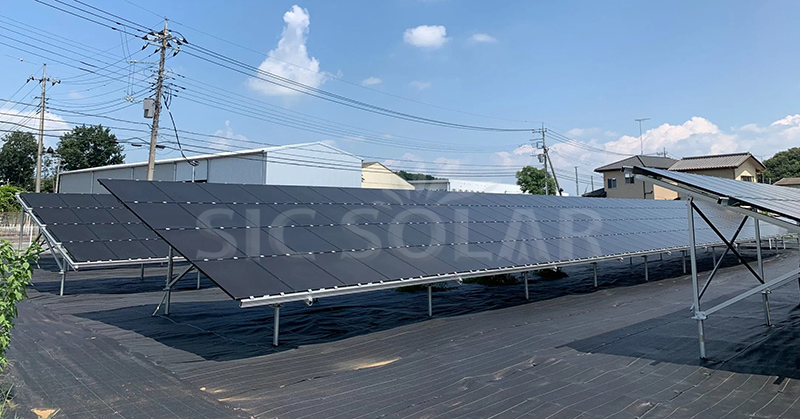
ground mounted solar system

One of the biggest advantages of ground mounted solar is ease of maintenance. Since the panels are easily accessible, cleaning, repairs, and inspections are much simpler compared to working on a rooftop. Additionally, ground systems often stay cooler than roof-mounted panels, which can improve efficiency.

However, ground mounted systems require adequate space and proper site preparation. The installation area should be free from shading by trees, buildings, or other obstructions. The soil must be suitable for supporting the foundation, whether it’s concrete piers, driven posts, or screw piles. Local zoning regulations and property boundaries should also be considered before installation.

High-quality mounting structures are crucial for durability, especially in areas prone to strong winds or heavy snow. Companies like SIC Solar, a manufacturer and seller of photovoltaic mounting brackets, provide ground mounted solutions made from corrosion-resistant aluminum and galvanized steel. These structures are engineered to withstand harsh weather while keeping the panels securely in place for decades.

For homeowners and businesses with available land, ground mounted solar can be an efficient and long-lasting way to generate renewable energy without altering the structure of a building. With proper planning and reliable mounting equipment, it’s possible to turn an open space into a powerful solar energy system.

阅读全文......