Solar Energy Solutions Provider
ground screw solar mounting

Do I Need to Use the Grounding Screw?

In solar mounting systems, safety and electrical performance matter just as much as structural strength. One small but key part often mentioned during installation is the grounding screw. Many installers and project owners wonder if using a grounding screw in a photovoltaic system is really necessary.
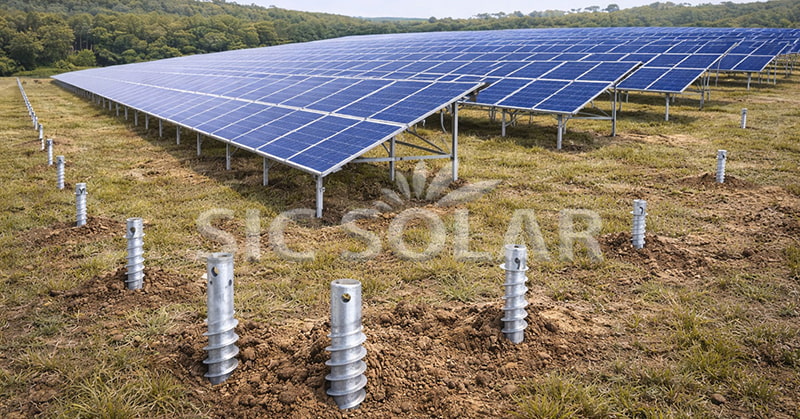
solar ground screw racking system

A grounding screw helps create a solid electrical connection between metal parts and the grounding system. Since mounting rails, modules, and brackets are usually metal, they can carry electricity. If there’s a problem like insulation failure or a short circuit, these parts might become energized. The grounding screw directs that unwanted electricity safely into the ground, lowering the chances of electric shock or damage.

In most situations, grounding screws are not just recommended—they’re required. Electrical codes and safety rules in many countries say solar mounting systems need proper grounding. This keeps the system safe during normal use and especially when faults or lightning strikes happen. Without the right grounding, the system could be dangerous for people and equipment.

Grounding screws also help keep electrical continuity throughout the whole mounting setup. Solar panel systems include many connected pieces like rails, clamps, and frames. The grounding screw creates a continuous conductive path that allows electricity to flow safely to the ground point. This is especially important in large solar arrays with many panel rows linked together.

These screws also make installation easier. Instead of adding separate grounding wires for every part, installers can use specially made screws to bond metal components directly. This saves time and keeps the system neater. Many modern mounting setups include built-in grounding features to streamline this.

Manufacturers like SIC Solar design their photovoltaic mounting systems with grounding solutions built in. Using compatible grounding screws and parts helps installers meet safety standards and keep installation straightforward. Well-designed mounting structures can improve both electrical safety and mechanical stability.

Long-term reliability is another factor. Grounding screws are usually made from corrosion-resistant materials so they maintain a good electrical connection over time. Since solar systems face outdoor conditions for many years, using quality grounding parts helps avoid problems like loose connections or higher resistance.

Sometimes other grounding methods may be used depending on system design and local rules. Still, grounding screws remain one of the most common and effective ways to bond solar mounting components. Deciding to use them should always be based on system needs, safety standards, and installation guidance.
阅读全文......

What Is a Ground Mount Solar Mounting Structure?

When people think of solar energy systems, rooftops are usually the first image that comes to mind. However, solar panels don’t always have to be attached to a building. For properties with sufficient land, ground-mounted solar installations offer an effective and flexible alternative. At the heart of these systems lies the ground mount solar mounting structure, which is the framework that secures panels firmly to the earth while ensuring optimal orientation for energy production.

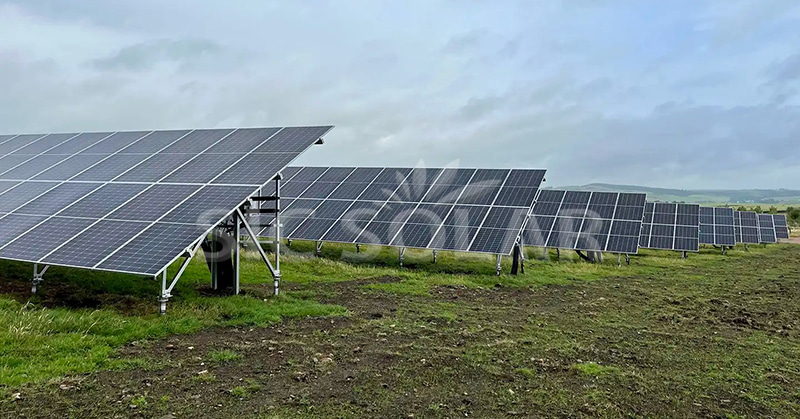
solar array ground mount

A ground mount solar mounting structure is essentially a racking system that holds solar panels above the ground, typically supported by posts, rails, or foundations. Unlike rooftop systems, which are limited by the roof’s angle and available space, ground-mounted structures can be installed at the perfect tilt and direction to capture maximum sunlight. This flexibility often results in higher energy output compared to roof-based systems.

There are generally two main types of ground mount structures: standard fixed-tilt systems and tracking systems. Fixed-tilt systems hold panels at a set angle, chosen to optimize sunlight exposure throughout the year. They are straightforward, durable, and relatively easy to install. Tracking systems, on the other hand, allow panels to move and follow the sun’s path across the sky. While more complex and costly, they can significantly increase electricity generation by keeping panels aligned with the sun for longer periods of the day.

Ground mount structures are built using durable materials like galvanized steel or anodized aluminum, which resist corrosion and withstand environmental stresses such as wind, rain, and snow. These structures must also be engineered to support the weight of multiple panels while maintaining stability over decades of use. Strong foundations, whether driven piles, concrete footings, or ballast systems, are essential to prevent shifting or tilting over time.

One of the additional benefits of ground-mounted solar is ease of maintenance. Since panels are accessible at ground level, cleaning, inspections, and repairs can be carried out more conveniently compared to rooftop systems. This accessibility helps ensure that the system maintains peak performance with minimal effort.

Companies such as SIC Solar, a manufacturer and supplier of photovoltaic mounting brackets, design ground mounting solutions that combine strength, reliability, and ease of installation. Their systems are engineered to meet the demands of both residential and commercial projects, ensuring solar panels remain secure and efficient over their full lifespan.

For anyone with open land and a desire to maximize solar energy production, ground mount solar mounting structures represent a practical and long-lasting solution. By providing stability, optimal orientation, and durability, they form the backbone of efficient solar power generation beyond the rooftop.

阅读全文......