Solar Energy Solutions Provider
ground screws anchors

Can Ground Screws Replace Concrete?

For solar panel projects, the base is super important for keeping everything steady. Concrete has been the go-to for solar panel mounts for a long time. But now, ground screws are becoming a popular choice. So, can these screws actually take concrete's place?
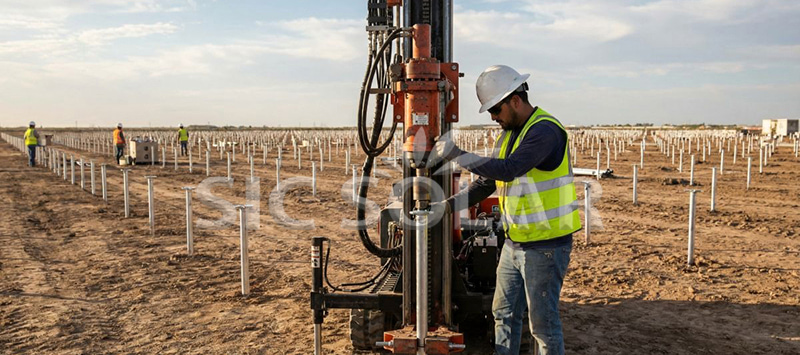
foundation ground screws

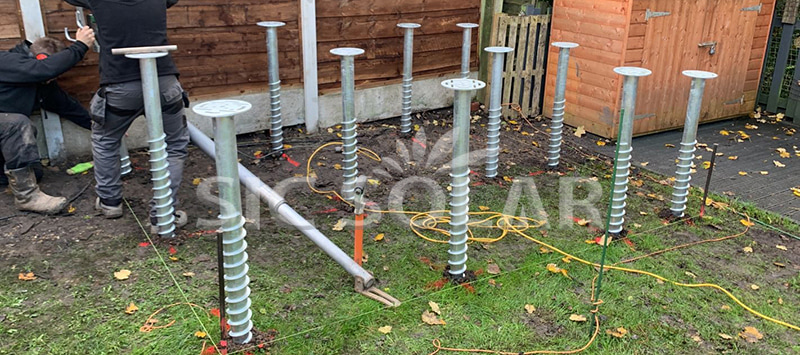
Ground screws are steel rods that you drill into the ground with special machines. They're designed to dig in easily and stay put, resisting being pulled out or pushed sideways. Once they're in, they make a solid spot to attach the solar panel racks.

One big plus of using ground screws is how fast they are to install. Concrete needs digging, forms, pouring, and time to dry before you can build on it, which can take days. Ground screws, on the other hand, can often be put in within minutes. This really speeds things up and saves on labor, which is great for big solar plants.

They're also better for the land. Ground screws don't need much digging, so they don't mess up the soil or the area around it. This is good if you're building on farms, fields, or places that are delicate. Plus, you can take the screws out when the solar panels are done, making it easier to get the land back to its original state compared to concrete.

If they're designed right, ground screws can hold a lot of weight. Engineers figure out how long and thick they need to be, and how deep they should go, based on the soil and what the panels will weigh. If done correctly, ground screws can hold up solar panels against wind, snow, and other weather.

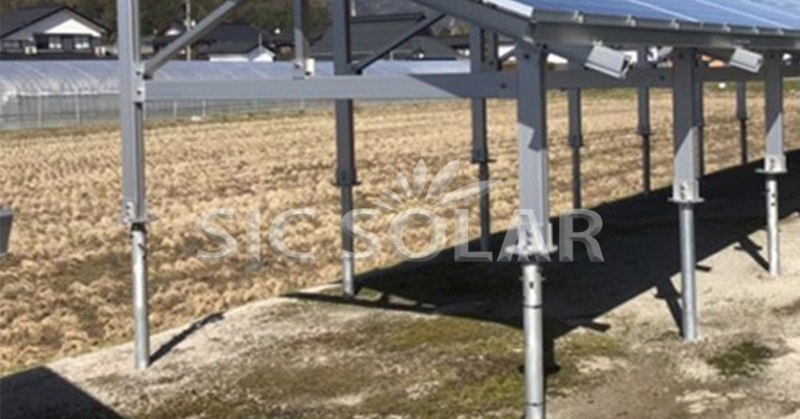
Lots of new solar panel mounts are made to work with ground screws. Companies like SIC Solar make frames that fit right onto ground screws, so installers can just connect the posts and brackets. This makes putting everything together easier and faster.

But, ground screws aren't perfect for everywhere. If the ground is really rocky or has solid rock close to the surface, it can be hard or impossible to put them in. In these spots, concrete might still be the way to go. It's key to check out the site and test the soil before you pick what kind of base to use.

These days, you see ground screws in lots of solar projects because they're quick, good for the environment, and reliable. As solar plants get bigger, ground screws are becoming a go-to option for holding up solar panels, including the ones from companies like SIC Solar.
阅读全文......

How Effective Are Ground Screws?

In solar ground mounting, the foundation is key to keeping the whole photovoltaic system stable and safe. Ground screws have become a popular alternative to traditional concrete foundations because they are practical and effective, gaining use worldwide.

ground screws for solar

Ground screws are steel parts screwed directly into the soil using special tools. Their spiral shape lets them dig into the ground and resist pulling and sideways forces. Once in place, they create a strong base for mounting posts and supports, helping solar panels stay steady in different weather.

Their effectiveness mainly comes from their strong load-bearing ability. When designed and installed right, they can hold heavy solar structures. The screw’s coil presses against the soil, creating friction that helps resist wind and other forces. Engineers choose the right screw size based on soil and structure needs.

Ground screws also save time on installation. Unlike concrete, there’s no digging, mold-making, or waiting for curing. Using hydraulic tools, each screw can be set in minutes, cutting project time and labor, especially for large solar farms.

They also reduce environmental impact. Because they’re screwed into the soil, they disturb the land less, making them suitable for farmland or sensitive areas. Plus, they can be removed later, allowing easier land restoration compared to permanent concrete.

Their flexibility with soil types is another plus. They work in sand, clay, or mixed soils by changing screw length, diameter, and blade design. Soil testing usually guides these choices for best results.

Ground screws fit well with modern solar mounts, many of which connect directly to them, making setup easier and faster. Companies like SIC Solar offer mounting systems designed to work smoothly with these screws to build reliable solar supports.

Durability is important too. Most screws are made from strong steel and coated with hot-dip galvanization to fight rust. This helps them last against moisture, temperature swings, and soil conditions throughout the solar system’s life.

Thanks to their strength, quick installation, and lower environmental impact, ground screws have become a trusted foundation for many solar mounting projects. With good design, engineering, and quality parts, they offer solid support for solar setups, including products from companies like SIC Solar.

阅读全文......

Can You Install Ground Screws in Cold Weather?

Ground screws have become a popular foundation choice for solar mounting systems, offering a fast, eco-friendly, and reliable alternative to traditional concrete foundations. They can be installed in a variety of soil types, making them ideal for solar farms, residential projects, and commercial applications. But when winter arrives, many installers wonder — is it possible to install ground screws in cold weather?

solar ground mount screws

The short answer is yes, you can install ground screws even in cold weather. However, there are important factors to consider to ensure the installation remains safe, stable, and long-lasting.

Ground screws are typically made of galvanized steel, which resists corrosion and maintains structural integrity under extreme temperatures. This makes them suitable for year-round use, including winter installations. Yet, when the ground is frozen, the process can become more challenging. Frozen soil increases resistance during drilling, requiring stronger equipment and careful handling to avoid misalignment or surface damage.

To address this, installers often use pre-drilling or ground thawing techniques. Pre-drilling helps break through the frozen top layer, allowing the ground screw to reach softer soil below. In very cold regions, temporary heating blankets or thermal drills may be used to warm the surface area just enough to facilitate installation.

This is where quality engineering plays a vital role. Companies like SIC Solar, a manufacturer and supplier of photovoltaic mounting systems, design durable ground screws that can be installed efficiently in different soil and weather conditions. Their products are crafted for strength and precision, ensuring that even in colder climates, installation remains stable and reliable.

Another key benefit of ground screws in winter is that they eliminate the need for concrete, which is difficult to pour and cure in freezing temperatures. Traditional concrete foundations can crack or fail to set properly in cold weather, while ground screws can be installed immediately and used right away.

Additionally, since ground screws don’t require excavation or curing time, projects can continue without long weather-related delays. This makes them especially advantageous for large-scale solar projects that operate on tight schedules.

In essence, with proper equipment, planning, and high-quality components, installing ground screws in cold weather is entirely feasible. By choosing robust materials and well-engineered products like those from SIC Solar, installers can ensure that their solar mounting foundations remain strong and reliable throughout all seasons.

阅读全文......