Solar Energy Solutions Provider
helical ground screws

How Deep Should a Ground Screw Be Installed?

The depth at which ground screws are installed is crucial for the stability and safety of solar mounting systems. These screws act as the foundation, so getting the depth right is key to long-term performance.
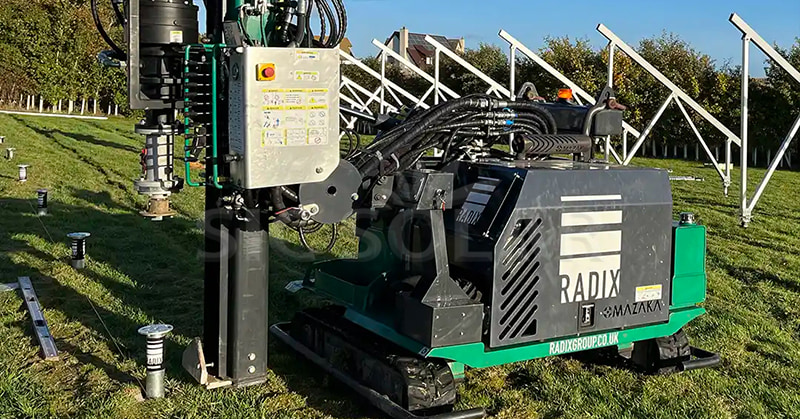
diy ground screws

Installation depth varies based on factors like soil type, load needs, and weather conditions. Usually, ground screws go between 1.2 and 2.5 meters deep, but this depends on the specific site.

Soil type matters a lot. Firm soils like clay or gravel allow for shallower depths, while softer soils like sand require deeper screws to stay stable. The idea is to anchor into solid ground to resist pulling and sideways forces.

Load requirements also affect depth. Systems must handle wind and snow, so bigger setups or those in windy areas often need deeper screws. Engineers figure these needs out during design to make sure the foundation holds up.

In colder places, screws must go below the frost line to avoid shifting from freeze-thaw cycles. Installing above this line risks movement that can misalign the panels.

Correct installation technique is key, too. Screws must be driven straight and to the right depth with proper equipment. If not, the foundation’s strength can be compromised. Professionals ensure specs are met.

Many modern mounting systems, like those from SIC Solar, are designed to fit well with ground screw foundations, improving both ease of installation and stability.

Soil testing before installation is common. It helps engineers understand soil properties and select the right screw type and depth.

In short, there’s no universal depth for ground screws. The right depth depends on engineering, soil, and environment to keep the solar system stable and durable over time.
阅读全文......

Do Ground Screws Require Concrete?

For solar panel projects on the ground, what's underneath really matters for keeping everything steady and lasting long. Usually, concrete is used to hold things in place. But now, lots of people are using ground screws instead. So, do these screws still need concrete?

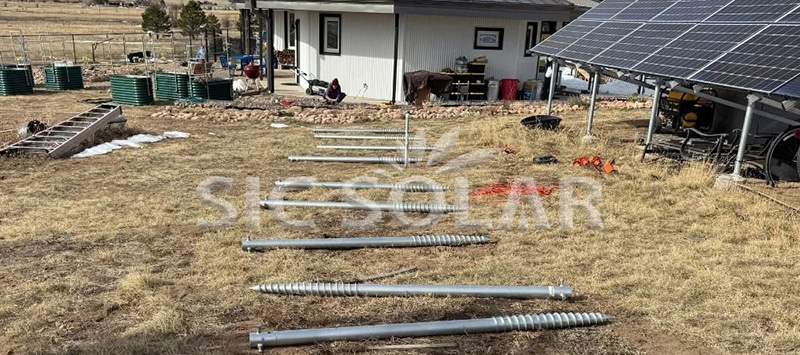
steel ground screws

Usually, no. A ground screw is like a big metal corkscrew that you drill straight into the ground. The twisty shape helps it dig in and stay put, so it can hold up the solar panels without any extra concrete.

One of the best things about ground screws is how easy they are to install. Instead of digging big holes and pouring concrete, you just use a special machine to screw them in. It only takes a few minutes for each one. And since you don't have to wait for concrete to dry, you can start putting up the solar panels right away.

Plus, ground screws don't mess up the ground as much. Concrete needs digging and extra materials. Ground screws keep the soil pretty much as it is. This is great if you're building on a farm, field, or somewhere that's important to protect nature.

If you get the right size and type of screw for the soil, they can hold up really well. They can handle strong winds, snow, and anything else that might push or pull on the solar panels. Lots of solar panel systems are made to fit right onto ground screws.

They work well with solar panel systems. Manufacturers such as SIC Solar design and produce solar mounting structures that can be easily installed on ground screw foundations. This makes the whole job simpler and faster.

Sometimes, if the ground is really loose, a tiny bit of concrete might be used to make things extra secure. But that's not how ground screws are usually installed. The idea is to skip the concrete altogether while still getting strong support.

Ground screws are now a good and simple way to set up solar panels on the ground. They're strong, quick to install, better for the environment, and easier to use with solar panel frames.

阅读全文......