Solar Energy Solutions Provider
installing solar panels on a tile roof

How to Attach Solar Panels to a Tile Roof?

Putting solar panels on a tile roof is a common move for folks and businesses wanting to use solar power but still keep their building looking good. Tile roofs—made of concrete, clay, or ceramic—need a special way to make sure the solar panel setup is safe, tough, and keeps water out. Knowing how to put solar panels on tile roofs right can stop problems like leaks, roof damage, or panels not being where they should be.
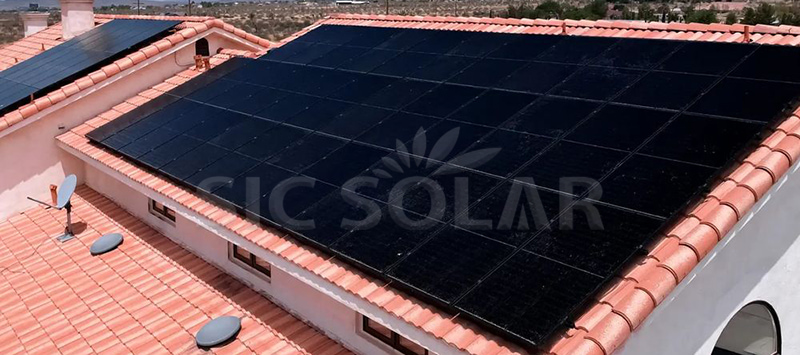
installing solar panels on tile roof

Step 1: Check the Roof

Before you start, you gotta see if the roof is in good shape. Tile roofs are often more breakable than other kinds, mostly when they're old. See if there are any tiles that are broken, loose, or wrecked. You might need to switch them out before going on. Also, think about how old the roof is and be sure it can hold the weight of the solar panels and the stuff that holds them up.

Step 2: Pick the Right Stuff to Hold the Panels

When you're putting solar panels on a tile roof, the system has to stick to the roof good without messing up the tiles. There are two main ways to do this: drilling into the roof and not drilling.

Drilling: This means making holes through the tiles and into the wood under the roof to stick the brackets that hold the panels. Special hooks are used to keep it all in place. Even though this way makes little holes in the tiles, doing it right can stop leaks and keep everything safe.

Not Drilling: This uses heavy stuff to hold the panels down without making any holes. The heavy stuff, like concrete blocks, keeps the system from moving. This is usually for flat tile roofs and doesn't change the roof at all.

For tile roofs, drilling is often the better bet because it makes sure the panels are really stuck to the roof.

Step 3: Put in the Hooks and Rails

If you're drilling, the hooks go onto the wood under the tiles. These hooks are where the solar panel rails will sit. Here's how to do it:

Take Off Tiles: Carefully take off the tiles where the hooks will go. You might have to pry them off, starting at the top and going down. Try not to break the tiles so you can put them back later.

Put in Hooks: Put the hooks on the wood under the tiles. Once they're there, screw them in tight. Use stuff that won't rust, like stainless steel.

Put Tiles Back: After the hooks are in, put the tiles back over them. Make sure they fit right so the roof still keeps water out.

Put on Rails: Now you can put on the rails that the solar panels will sit on. Stick them to the hooks and make sure they're tight.

Step 4: Put on the Solar Panels

With the rails on, it's time for the panels. Put the panels on the rails and line them up right. Use clamps to hold the panels to the rails. Tighten them enough so they don't move but not so much that you break anything.

Space the panels out so air can flow and the system works well. Put the panels in rows, following the way the roof slants, to get the most sunlight.

Step 5: Check for Leaks

One big worry when putting solar panels on a tile roof is keeping water out. Any holes you made, like for the hooks, have to be sealed up good to stop leaks. Use good sealant to seal around the holes so water can't get into the roof. Also, look where the tiles meet the hooks to be sure it's all watertight.

Step 6: Wiring

Once the panels are on tight, wire them up. This means hooking the solar panels to the inverter and then to the power grid or a battery. It's best to get a pro electrician to do this because it needs special knowledge.

Step 7: Check It All

After it's done, check everything to be sure it's all tight, sealed, and works right. Test the system to see if it's making power and running good.

Picking the Right Supplier

Getting a good system to hold the panels is key. A reputable manufacturer, like SIC Solar, provides durable and reliable solar mounting solutions for tile roofs.If you use good stuff and get it put in right, solar panels can sit safe on tile roofs and make power for years.

Putting solar panels on a tile roof takes planning and doing things just right. If you do it the right way, it can give you clean power and keep your roof looking good.
阅读全文......

How Do I Attach a Solar Panel to My Roof?

Installing solar panels on a roof is one of the most effective ways to harness clean, renewable energy directly from the sun. However, the process of attaching solar panels must be done carefully to ensure both system efficiency and the structural safety of the roof. The type of mounting system, the roof material, and the installation method all play critical roles in how well the panels perform over time.

The first step in attaching solar panels is choosing the right mounting system. There are different types depending on the roof design—pitched, flat, or metal. Each roof type requires specific hardware to ensure a secure and leak-free installation. Manufacturers like SIC Solar, a professional producer of photovoltaic mounting systems, provide a wide range of roof mounting solutions designed to fit various roofing materials and conditions.

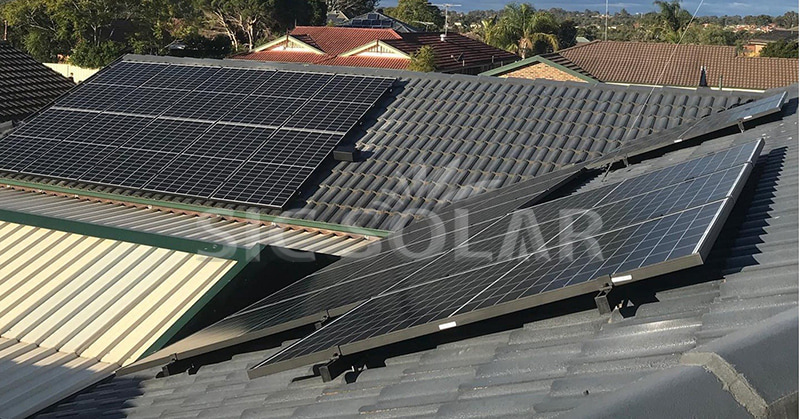
installing solar panels on a slate roof

For pitched roofs, the most common method involves using roof hooks or brackets. These hooks are installed under or around the roof tiles and attached directly to the rafters, providing a strong anchor point for the mounting rails. Aluminum rails are then fixed onto the hooks, and the solar panels are clamped securely in place. This system allows for even weight distribution and ensures the panels can withstand wind and snow loads.

If your roof is covered with asphalt shingles, the process involves installing flashing beneath the shingles to prevent water leaks. Mounting brackets are screwed into the roof rafters through the flashing, and sealant is applied to ensure the penetration points remain watertight. Once the rails are mounted, panels are attached using mid and end clamps.

For metal roofs, the installation is usually simpler. Instead of drilling into the roof, standing seam clamps can be used to attach the mounting system directly to the seams without penetrating the roof surface. This method maintains the integrity of the roof while providing a strong, stable base for the panels. SIC Solar offers a range of metal roof clamps designed for quick installation and long-term reliability, ensuring both safety and durability.

When dealing with flat roofs, installers typically use ballasted or tilt mounting systems. Ballasted systems rely on weight—such as concrete blocks—to hold the panels in place, avoiding the need for drilling or penetration. Tilt systems, on the other hand, allow the panels to be positioned at an angle to capture maximum sunlight. These systems are especially popular in commercial installations where the roof can handle the additional load.

No matter the roof type, ensuring proper alignment and spacing is essential. Panels should be arranged to avoid shading from nearby structures or other panels. Wiring and cable management are also important aspects of installation—cables must be routed neatly and secured with clips to prevent damage or electrical hazards.

Waterproofing is another key consideration. Even when mounting systems require roof penetration, installers use specialized flashing, gaskets, and sealants to maintain the waterproof integrity of the roof. This step prevents leaks and extends the lifespan of both the solar system and the roofing materials.

Another crucial part of the process is ensuring that the solar panels are properly grounded. Grounding prevents electrical faults and provides safety during lightning strikes or short circuits. High-quality mounting systems like those from SIC Solar are designed with integrated grounding solutions, simplifying the process and ensuring compliance with international safety standards.

The choice of materials in a mounting system also determines its longevity. Most modern systems use aluminum and stainless steel, known for their strength, corrosion resistance, and lightweight properties. These materials are ideal for withstanding harsh weather conditions while reducing overall roof load.

Before installation begins, it’s vital to assess the roof condition. The surface should be strong enough to bear the additional weight of the solar system. For older roofs, it’s often recommended to make necessary repairs or replacements before proceeding with the installation.

Attaching solar panels to a roof requires precision, expertise, and the right equipment. Well-designed mounting solutions not only make installation faster but also ensure long-term safety and energy efficiency.

Through continuous innovation and design refinement, SIC Solar provides dependable roof mounting systems for all kinds of solar applications. Whether for residential, commercial, or industrial projects, their products combine structural integrity, ease of installation, and weather resistance—helping homeowners and businesses confidently transition to sustainable solar energy.

阅读全文......