Solar Energy Solutions Provider
solar system ground mount

Are Ground-Mounted Systems Suitable for All Soil Types?

Ground mounted solar systems are popular in photovoltaic projects because they offer flexibility, scalability, and optimized panel placement. But a common question is whether they suit all soil types. The answer depends on assessing the site and choosing the proper foundation.
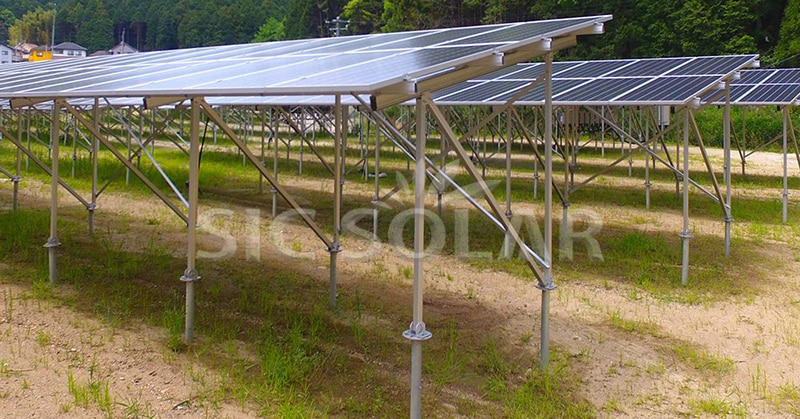
solar panel ground mount rack

These systems can generally be installed on various soils like sand, clay, gravel, or mixed types. The trick is picking a foundation that fits the soil’s nature. Typical options include ground screws, driven piles, and concrete bases, each working best under certain conditions.

For stable soils like compact clay or dense sand, ground screws often work well. They’re quick to install with little disruption and provide good support. By adjusting the screw size, installers can get the needed stability for the panels.

In softer or loose soils, deeper foundations or thicker ground screws might be needed to ensure solid support. Soil compaction and engineering checks help avoid future shifting. Proper design keeps the panels stable and aligned.

Rocky or hard ground makes installation tricky. Large stones or shallow bedrock can block ground screws or piles. In such cases, pre-drilling or using concrete footings may be required. Though this adds complexity and cost, it keeps the system secure.

Soil moisture and environmental factors also matter. Areas with high water tables or flooding risk need corrosion-resistant materials, like hot-dip galvanized steel, and good drainage to protect the system over time.

In cold regions, frost depth is important. Freezing and thawing can shift soil, so foundations must go below the frost line for lasting stability. This affects how deep and what type of foundation is used.

Modern mounting systems, like those from SIC Solar, offer different foundation options to fit various ground types. This flexibility helps install solar setups safely in many environments.

Before installation, geotechnical surveys and soil tests are crucial. They reveal soil makeup, strength, and risks, guiding engineers to design a safe, effective foundation.

Overall, Ground mounted solar systems are versatile but rely on matching foundations to soil conditions. With the right design and materials, they can work well across many sites.
阅读全文......

Why Is Ground Mount Solar More Expensive?

When planning a solar project, one of the first questions developers often face is whether to put panels on a rooftop or set up a ground-mounted system. Ground mounts tend to be more flexible and can produce more energy, but they usually cost more than rooftop setups. Knowing why the cost varies can help owners make smarter choices.

ground mount solar structure

A big reason for the cost difference is the foundation. Ground-mounted panels need a solid base, like concrete footings or ground screws, to keep them stable against wind, snow, and other weather. Building these foundations means more materials, special tools, and extra labor, which adds to the cost. Rooftop systems, on the other hand, rely on the building’s existing structure, which cuts down on foundation expenses.

Labor and the complexity of installation also play a role. Ground mounts require site surveys, land prep, and setting up multiple rows of racks. The panels have to be lined up carefully to catch the most sunlight. Rooftop installs tend to be simpler, with fewer parts and quicker work since they go on existing roofs.

Material use is another factor. Ground systems need bigger racks and stronger support to keep panels safely off the ground. These racks must be tough, resist corrosion, and handle weather over many years. Companies like SIC Solar make quality mounting gear for ground setups, but the extra materials raise the price compared to rooftop racks.

Site conditions matter, too. Ground-mounted arrays might need leveling, removing plants, or other soil work, especially on uneven or sloped land. Wiring, inverters, and safety gear might also be more complicated because of the distance between panels and the building or grid.

Maintenance and access affect cost as well. Ground systems are easier to reach for cleaning or fixes, but making sure they’re safe and durable calls for good design and reliable parts. Providers like SIC Solar offer mounts that keep the structure solid and lasting, which adds to the upfront cost.

While ground mounts often cost more initially, they bring benefits like better panel positioning, natural cooling from air flow, and easier expansion. For large projects with plenty of space, these advantages can make the extra expense worthwhile.

阅读全文......